
Heavy equipment represents a major investment for any business. When machines break down or fail early, it costs money in repairs and lost work time. Most operators know the basic maintenance tasks like oil changes and routine inspections. However, many smaller details get missed during regular upkeep.
Small maintenance tasks that seem minor can actually make a big difference in how long your equipment lasts and how well it performs. These overlooked details often involve checking parts between scheduled services or paying attention to components that don’t appear in standard checklists. When you stay on top of these less obvious maintenance points, you can prevent bigger problems and keep your machines working longer.
This guide covers specific maintenance details that often get skipped but should not be ignored. You will learn about checking parts more often than recommended, maintaining systems that are easy to forget, and understanding why these small steps matter for your equipment’s lifespan.
1) Regularly inspect hydraulic hoses for minor leaks
Most hydraulic hose failures can be prevented with routine inspections. You need to check your hoses regularly to catch small problems before they become major breakdowns.
Start by turning off your machine’s power completely. Make sure no one can accidentally restart it while you work. Put all components in a safe position before you begin.
Look closely at each hose for signs of damage or leaking. Minor leaks might seem harmless, but they waste hydraulic fluid and reduce your system’s performance. Small leaks also create safety hazards on your worksite.
Check the fittings and connections where hoses attach to components. These spots often develop leaks first. You should also inspect areas where hoses bend or flex during normal operation.
Remove access panels to reach hoses in hidden locations. Many critical hoses run through hard-to-see areas of your equipment. These overlooked spots need attention too.
Replace any hose that shows signs of wear or damage. Fixing small issues now prevents costly repairs later. Regular inspections extend your equipment’s lifespan and reduce unexpected downtime.
2) Clean air filters more frequently than the manual suggests
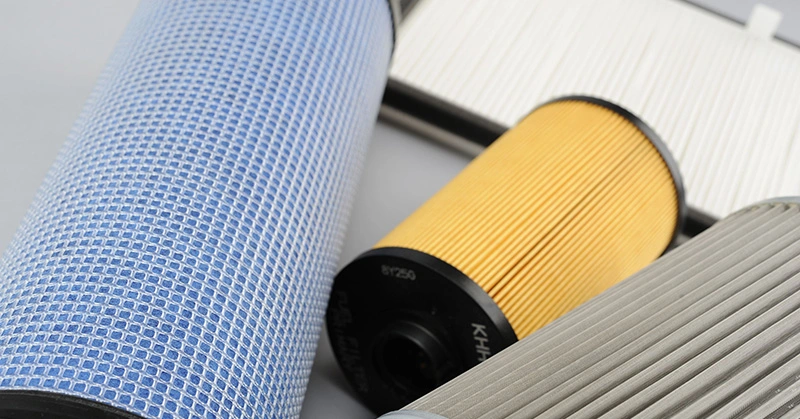
Your heavy equipment’s air filter protects the engine from dirt, dust, and debris that can cause serious damage. Most manuals recommend checking filters every 500 hours or based on standard operating conditions. But if your equipment works in dusty environments like construction sites or quarries, you need to clean or replace filters more often.
Waiting too long between filter services forces your engine to work harder. A clogged filter restricts airflow, which reduces power and increases fuel consumption. It can also let contaminants bypass the filter and enter the engine, leading to premature wear on expensive internal components.
Inspect your air filters every 250 hours in dirty conditions. If you see debris buildup that reaches the filter’s mesh or outer edges, clean it immediately. Don’t wait for the scheduled maintenance interval.
Clean filters help your engine breathe properly and maintain peak performance. They also prevent carbon buildup inside the engine, which saves you from costly repairs down the road. This simple step takes only a few minutes but adds years to your equipment’s life.
3) Grease all pivot points even if not on the schedule
Your equipment’s pivot points need more attention than your maintenance schedule might suggest. Manufacturers provide greasing intervals based on average conditions, but your machine works in the real world where dirt, moisture, and heavy loads accelerate wear.
Pivot points on loaders, excavators, and other equipment take constant stress from movement and weight shifts. These areas include pins, bushings, and joints that connect moving parts. When you skip greasing between scheduled intervals, friction increases and metal-on-metal contact damages components.
You should grease pivot points whenever you notice signs of dry operation. Listen for squeaking or grinding sounds during movement. Check if pivots feel stiff or resistant when operating attachments.
Even smaller machines with fewer grease points benefit from extra lubrication between schedules. The cost of a few extra shots of grease is minimal compared to replacing worn pins or bushings.
Make it a habit to carry a grease gun during operation. When you spot a pivot point that looks dry or sounds rough, add grease immediately. This proactive approach prevents damage before it starts and keeps your equipment moving smoothly.
4) Check tire pressures against load recommendations
Heavy equipment tires need different pressure levels based on what they’re carrying. You should adjust tire pressure when your load size changes.
Most situations call for adding 3 to 8 PSI above your standard pressure when hauling heavy loads. Your specific vehicle and tire rating will determine the exact amount you need.
Check tire pressure in the morning before starting work. This gives you the most accurate reading. Daily checks are best, but you need to check at least once a week.
Pay special attention when you move between different worksites or when ground conditions change. Equipment that carries large loads regularly needs closer monitoring.
A tire pressure monitoring system can help if you manage a large fleet. These systems check pressure automatically so your workers don’t have to do it manually.
Wrong tire pressure puts extra stress on your tires and reduces their lifespan. Proper pressure helps maintain stability and prevents blowouts. This simple check protects your investment and keeps your equipment running safely.
5) Flush and replace hydraulic fluids on a set timeline
Hydraulic fluid breaks down over time from heat, contamination, and normal use. When you let it run too long, dirt and metal particles build up in the system. This causes wear on pumps, valves, and cylinders.
You need to drain and replace hydraulic fluid based on operating hours, not just when problems show up. Most manufacturers recommend changes every 1,000 to 2,000 hours of operation. Check your equipment manual for specific intervals.
Flushing removes contaminants that a simple drain and refill leaves behind. The process involves draining old fluid, removing visible contamination, and running fresh fluid through the system. You should replace filters during this process too.
Many operators skip flushing because it takes more time than a basic fluid change. But this step removes particles stuck in lines and components that would otherwise contaminate your new fluid.
Set up a maintenance schedule and stick to it. Track your equipment hours and plan fluid changes before problems develop. Regular flushing and replacement prevents expensive repairs and keeps your hydraulic systems working longer.
6) Inspect electrical wiring for fraying or loose connections
Electrical systems power critical functions in heavy equipment. When wiring fails, your machine stops working. Regular inspection of electrical connections prevents unexpected breakdowns and safety hazards.
Check all visible wiring for signs of damage. Look for frayed insulation, exposed conductors, or cracked wire coverings. These problems let moisture in and can cause short circuits or fires.
Loose connections create resistance that generates heat. This heat damages components and wastes power. Tap and wiggle wire connections gently to check if they move. Tight connections should not budge.
Pay attention to areas where wires bend or rub against metal surfaces. Movement and vibration wear down insulation over time. Add protective sleeves or adjust routing to prevent contact with sharp edges.
Use a multimeter to test connections if you notice dimming lights or intermittent electrical issues. Many problems start small but grow worse with continued operation. Finding damaged wiring early saves you from expensive repairs later.
Clean corrosion from terminals and connectors with an appropriate cleaner. Tighten any loose fasteners according to manufacturer specifications.
7) Test battery health monthly and clean terminals
Your heavy equipment batteries need monthly attention to avoid unexpected failures. Set aside 30 minutes each month to check battery voltage with a multimeter and perform a load test. These simple checks help you catch problems before they leave your equipment dead on the job site.
Terminal corrosion is one of the most common battery issues. It creates resistance that prevents proper power flow to your equipment. Remove the cables and clean both terminals with a wire brush and battery cleaner.
After cleaning, apply a thin coat of dielectric grease to the terminals. This prevents future corrosion from building up. Make sure all connections are tight and secure before finishing.
Check for any cracks in the battery case or loose mounting brackets. Look for signs of leaking or swelling. Replace batteries showing these warning signs right away.
Keep a record of your monthly tests. Track voltage readings over time to spot declining performance. This helps you plan replacements during scheduled downtime instead of dealing with emergency breakdowns.
Why Overlooked Maintenance Matters
Small maintenance details add up to major consequences when ignored. Missing routine checks creates a chain reaction that shortens equipment life and drains budgets through emergency repairs and lost productivity.
Impact of Neglected Details on Equipment Longevity
Skipping minor maintenance tasks accelerates wear on your heavy equipment. When you ignore small issues like loose bolts, dirty filters, or worn seals, they create stress on other components. A clogged air filter forces your engine to work harder, which increases fuel consumption and causes premature engine wear.
Your equipment’s lifespan depends on consistent attention to detail. Grease fittings need regular lubrication to prevent metal-on-metal contact that grinds down joints and bearings. When you skip these quick tasks, parts that should last 10 years might fail in 5.
It’s wise to use metal ID tags on equipment to help you track service intervals and identify components correctly during maintenance. Without proper identification, technicians might miss critical service points or use wrong specifications. Studies show that proper maintenance practices improve equipment uptime by 25-30%, while neglect guarantees expensive failures.
Hidden Costs of Avoiding Routine Checks
The price of skipped maintenance goes far beyond repair bills. When your equipment breaks down unexpectedly, you face multiple financial hits at once:
- Lost productivity from idle equipment and delayed projects
- Emergency repair premiums that cost 3-5 times normal service rates
- Rental equipment expenses to replace broken machines
- Overtime labor costs to make up for lost time
- Contract penalties for missed deadlines
Fleet operators spend an average of $12,500 per vehicle annually on maintenance. However, 84% of commercial fleets create unnecessary expenses through overlooked maintenance practices. A $50 coolant system check can prevent a $5,000 engine overhaul. A $30 belt replacement beats a $3,000 breakdown repair every time.
Your insurance costs also climb when maintenance records show neglect. Poor maintenance history increases premiums and may void warranty coverage when you need it most.
Best Practices for Effective Preventive Care
Regular preventive care works only when you track small tasks consistently and ensure your operators know what problems look like before they become serious. These two practices form the foundation of maintenance programs that actually prevent breakdowns instead of just reacting to them.
Scheduling and Tracking Minor Maintenance Tasks
You need a system that tracks every maintenance task, no matter how small. Create a calendar that includes daily checks like fluid levels, weekly tasks like greasing points, and monthly inspections of filters and belts. Many operations fail because they track major services but ignore minor tasks that take five minutes.
Use a simple checklist or maintenance software to record when each task gets completed. This record shows you patterns over time and helps you catch missed maintenance before it causes damage.
Key tasks to schedule:
- Daily fluid checks and visual inspections
- Weekly lubrication of moving parts
- Bi-weekly filter inspections
- Monthly belt tension checks
- Quarterly seal and gasket reviews
Set reminders based on both time and equipment hours. Some parts wear out based on use, not calendar days. A machine running 12 hours daily needs more frequent attention than one running 4 hours daily.
Training Operators on Subtle Warning Signs
Your operators spend more time with equipment than anyone else. Train them to recognize early warning signs like slight changes in engine sound, small hydraulic leaks, or increased vibration. These subtle changes often appear weeks before major failures.
Teach operators the difference between normal and abnormal operation. Show them what a healthy hydraulic system sounds like versus one with air in the lines. Have them feel the difference between normal vibration and bearing wear.
Create a quick reporting system where operators can flag concerns immediately. A text message or simple form works better than waiting for end-of-shift meetings. Small problems identified early cost less and cause less downtime than catastrophic failures.
Give operators authority to stop work if they notice serious warning signs. Equipment damage from running with known problems costs far more than a few hours of stopped production.

