
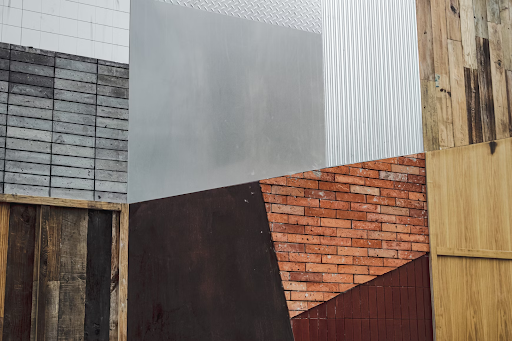
Steel. Concrete. Wood. Stone.
These are some of the names that come to mind in terms of “building materials.”
While these classics are undoubtedly the backbone of most construction projects, the building material game has evolved. It has improved on these timeless options to yield innovative products to meet modern demands.
Sustainability. Stunning aesthetics. Safety.
These are just a few of the contemporary challenges modern building materials help solve. Keep reading as we explore some of the most trending building products on the market and take a look at their application and benefits.
Insulated Concrete Forms (ICFs)
Insulated concrete forms (ICFs) are precast interlocking wall units made of rigid thermal insulation. They are erected at the construction site and filled with concrete. This provides a continuous, double insulation layer that is far more robust than standard sip panels. ICFs offer elite fire, pest, and moisture resistance. They prevent rapid temperature fluctuations in the building and can reduce the structure’s energy consumption over time.
Fiber Cement Siding
Fiber cement siding is a durable cladding option made from a combination of sand, cement, and cellulose fibers. It provides elite resistance to fire, pests, and moisture. Fiber cement can be fabricated in a wide array of colors and designs. Some of the most popular closely mimic wood or natural stone without the need for the frequent painting and sealing that these traditional siding materials require. Fiber cement holds up well in extreme weather. Most manufacturers rate their fiber cement products to last 50+ years. However, with minimal care (typically an annual wash), this robust cladding system will likely outlast the life of the building itself.
Permeable Gravel Driveways
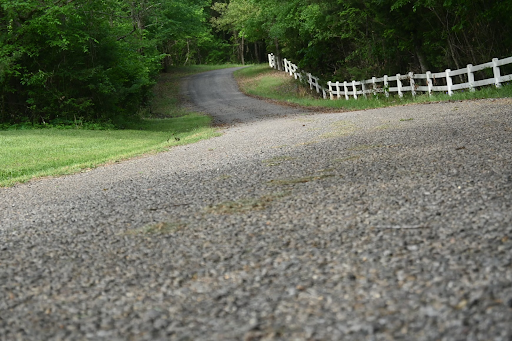
Permeable gravel driveways are a sustainable alternative to basic concrete or asphalt surfaces. The system avoids the shifting concerns inherent to standard gravel driveways by using a series of below grade permeable pavers that hold surface aggregate in place. Very little maintenance is required because gravel does not crack or stain. It is a premier driveway option in areas that receive heavy precipitation or are susceptible to damage during the freeze/thaw cycle.
Architectural Louvers
Architectural louvers are angled slats (typically metal or other high-performance material) installed in a commercial building’s exterior walls or facade. They help control air, sunlight, and rain. They are a key component of passive cooling and air quality control for commercial structures. This aids energy efficiency efforts. Architectural louvers also add aesthetic intrigue to the facade of a building.
Composite Roofing Shingles
Composite roofing shingles are made from a mixture of asphalt, fiberglass, recycled plastics, and other types of synthetic polymers. They can closely resemble the look of slate or masonry while being much lighter and easier to work with. Composite shingles offer the highest fire and impact resistance on the market. This makes them a premier choice for areas prone to extreme weather. They are a leading roofing material in the sustainable design movement.
Hurricane-Grade Storm Windows

Hurricane-grade storm windows are specially engineered to withstand extreme winds and projectile impact. Common components are impact-resistant laminated glass and robust steel frames. They are commonly used to fortify commercial buildings in coastal regions where tropical storms are prevalent. With that said, they are not limited to this application. Hurricane-grade storm windows are an option in any area where extreme weather tests the building envelope. They can help businesses take storms in stride with minimal cleanup or repair necessary.
Polished Concrete Floors
Polished concrete is an elegant take on traditional concrete flooring. It involves mechanically grinding and polishing concrete slabs to create a sleek, shiny surface. Polished concrete is durable and low maintenance. It is also highly reflective, helping achieve a brighter interior environment. This makes it a great choice for open interiors and other spaces that prioritize energy efficiency.
Engineered Quartz Countertops
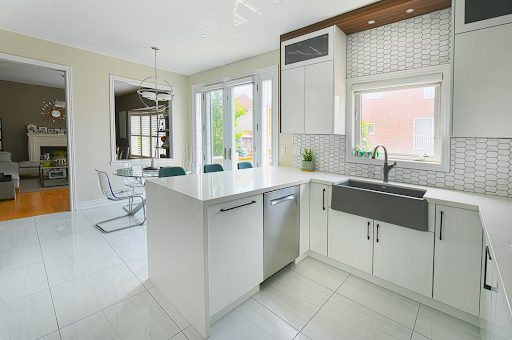
Engineered quartz countertops are manufactured from crushed mineral quartz. They are bound with an epoxy resin for a nonporous finish. They resist stains and scratches and are easy to clean with a wipe of a rag. This makes them a hygienic countertop option in kitchens and bathrooms. Quartz countertops offer the visual appeal of granite and marble without the maintenance requirements.
Decorative Screen Panels
Decorative screen panels are perforated panels used to enhance the visual appeal of a building. They also enhance privacy. When strategically placed, they can mitigate the effects of direct sunlight for a cooler interior environment and limit A/C usage. Commonly made from wood, metal, composites, or high-pressure laminates, they can be used in both interior or exterior applications. Inside, they may be a means of breaking up space. Outdoors, they can add privacy to exterior hangouts or boost the visual intrigue of otherwise drab facades.
Know How to Use the Most Trending Building Materials
The building materials landscape has changed to meet modern demands. From insulated concrete to decorative screens, consider any of the products listed above for creative solutions to modern construction challenges. For more of the latest in commercial construction, explore the content at Linquip for additional thought leadership and innovative equipment solutions!

