
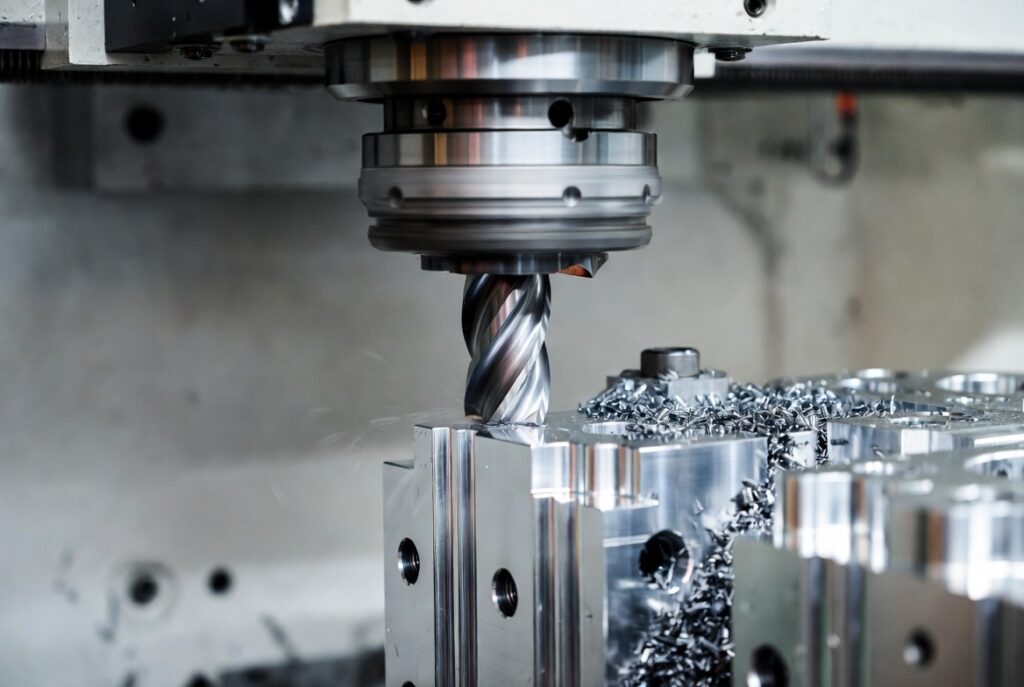
In precision machining, tool geometry plays a decisive role in shaping performance, quality, and efficiency. From aerospace components to window and door fabrication, the geometry of an end mill determines how effectively material is removed and how long a tool lasts. Modern end milling machines offer impressive capabilities, yet their full potential depends on one critical factor: the cutter design. Understanding this relationship allows engineers and machinists to achieve superior results and maintain consistent output across materials.
Understanding the Principles of End Milling
End milling is a cutting process used to produce profiles, slots, and contoured surfaces with high precision. It differs from drilling or turning in that the tool can cut laterally, allowing for complex shapes and multi-directional machining.
The cutter geometry determines how the tool interacts with the workpiece. Its angles, flutes, and edge preparation influence chip formation, cutting temperature, and surface finish. A well-designed cutting tool not only enhances efficiency but also reduces the mechanical stress placed on the machine.
Why Geometry Matters
Each geometric feature of an end mill influences specific aspects of performance. The rake angle controls cutting forces and chip flow, the relief angle manages clearance behind the edge, and the helix angle determines the smoothness of engagement. These parameters work together to balance strength, sharpness, and stability.
A positive rake angle, for instance, lowers cutting resistance and is ideal for soft materials such as aluminum or PVC. A lower rake angle provides greater edge strength for harder alloys. Similarly, a higher helix angle improves chip evacuation in softer materials, while a lower helix enhances rigidity for heavy-duty cutting.
Selecting the right geometry for the application is essential to maximize productivity and minimize wear.
Essential Features of End Mill Geometry
1. Rake Angle
The rake angle defines how easily the cutting edge penetrates the material. Positive rake angles enable smooth cutting and lower forces, while negative angles provide durability when machining difficult materials.
2. Relief Angle
This angle prevents friction between the tool and the workpiece. Insufficient relief causes heat buildup and premature wear, whereas too much relief weakens the edge and increases chipping.
3. Helix Angle
The helix angle controls the chip evacuation path. A steeper helix supports smoother chip flow and better finishes, whereas a shallower helix provides higher stiffness for roughing operations.
4. Flute Count
The number of flutes determines chip capacity and cutting feed rate. Fewer flutes create larger chip spaces suitable for softer materials. More flutes produce finer finishes on harder surfaces.
5. Edge and Corner Design
Sharp corners allow precision in finishing, while corner radii or chamfers distribute stress and extend tool life. Edge preparation techniques such as honing or coating also improve performance and longevity.
Matching Geometry to Material
Tool geometry should always correspond to the material being machined. Aluminum, for example, benefits from high positive rake angles and polished flutes that prevent chip adhesion. In contrast, hardened steels require lower rake angles and coated tools to resist wear and heat. Composite materials, PVC, and fiberglass demand specialized geometries that prevent delamination or tearing.
When the correct geometry is paired with the appropriate machine setup, overall efficiency improves, and both tool and spindle wear are minimized.
How Geometry Interacts with Machine Performance
Even the most advanced end milling machines cannot compensate for a poorly designed tool. Machine rigidity, spindle speed, and feed rate interact directly with tool geometry to determine the quality of the cut. An unsuitable combination can cause chatter, excessive vibration, or poor surface quality.
Well-matched geometry, however, enables higher speeds and feed rates without compromising accuracy. Efficient chip evacuation and stable engagement with the workpiece help maintain precision over long production runs. This synergy between tool design and machine capability defines modern machining performance.
For example, end milling machines used in advanced fabrication systems can process PVC, aluminum, and composite materials efficiently when equipped with properly designed cutters. Machines such as those in the MRMC platform provide full fabrication capability for complex profiles, including meeting rails, jambs, and mullions. The integration of precise tool geometry with automated multi-step processing ensures consistent, high-quality results across diverse production requirements.
Technological Developments in Tool Design
The evolution of tool design now benefits from simulation software that predicts cutting behavior based on geometry. Adjustments to helix angle, rake, and edge radius can be modeled to forecast tool temperature, force distribution, and chip flow. These digital tools shorten development cycles and improve predictability in manufacturing outcomes.
Manufacturers are also implementing variable helix and variable pitch designs to minimize vibration, allowing higher feed rates and improved surface finishes. Coatings such as TiAlN and AlCrN continue to enhance heat resistance, making modern tools more durable under high-speed conditions.
Maintenance and Quality Control
Regular inspection of tool wear and machine calibration ensures reliable performance. Dull or chipped tools should be reground to restore their designed geometry. Machines must also be maintained for spindle alignment, rigidity, and coolant flow to prevent tool failure.
Proper documentation of maintenance intervals and tool usage statistics supports continuous improvement and helps maintain consistent part quality.
Conclusion: Geometry as a Driver of Precision
The geometry of an end mill defines more than its appearance. It governs every aspect of material removal, from chip formation to finish quality. A precise understanding of geometry allows operators to optimize both tool and machine performance.
When integrated with high-quality end milling machines, advanced cutter geometry transforms machining efficiency, reduces downtime, and delivers superior results across a variety of materials and applications. The close relationship between design, material, and machinery remains the cornerstone of modern fabrication success.

