
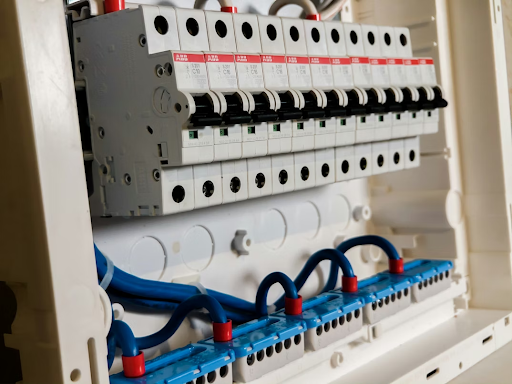
Clear markings on electrical panels do more than check a compliance box. They guide the split second choices that keep technicians, operators, and visitors safe. When labels are clear, consistent, and placed with intent, work slows down just enough for better decisions without interrupting production. A shared standard also prevents confusion during shift changes or contractor visits, which is when small misunderstandings can escalate into larger incidents.
Why Markings Matter Before Any Work Begins
Safety labels shape behavior long before a screwdriver touches a cover. They tell a story about voltage, arc flash risk, available fault current, and required personal protective equipment, and that story needs to be the same in every room. If markings are unclear, the brain fills gaps with guesses, and guesses are a poor substitute for facts when energized parts are nearby. Consistent language and formatting help memory kick in under pressure because the eye knows where to look for key values. When personnel trust the markings, they are more likely to pause at the boundary, confirm isolation methods, and follow written procedures. That extra beat of attention is where safe outcomes begin.
What The Standards Require And How To Read Them
Facilities benefit from a single reference point that explains what belongs on each label and why it belongs there. Voltage, source identification, feeder paths, and unique equipment IDs give context that maintenance teams can use during troubleshooting. Arc flash labels should show incident energy or the arc flash boundary with the matching category, and they should be current with the latest study for the site. Short, precise wording reduces misinterpretation for crews who work across buildings. If you need a plain language primer that links to source language, review the guidance on regulations for electrical panel labels and match it to your internal policies. When everyone reads markings the same way, work orders move faster, and audits feel routine rather than stressful.
Designing Labels For Real World Conditions
A label that looks great on a desk can fail on a noisy floor if materials and typography do not respect the environment. Heat, oil mist, cleaners, and sunlight fade weak inks and soften adhesives, which leads to peeling corners and missing digits. High contrast text, legible type sizes, and durable laminates keep information readable from a safe distance. Color should carry consistent meaning so orange cautions and red warnings cue the same actions in every room. Pictograms help where English is a second language or where ear protection makes verbal reminders harder to hear. When design choices reflect real conditions, labels remain trustworthy through seasons of use.
Placement, Visibility, And Human Factors
Good information in the wrong place might as well be missing. Labels should face the approach path so technicians can read them without stepping into a hazard zone just to learn where the hazard begins. Mount labels at eye level when possible, and repeat critical information on interior covers where work continues after doors open. Avoid clutter by reserving the panel face for required safety and identification details and by moving extra notes to nearby clipboards or digital job plans. Lighting matters as much as placement, so verify that inspections and repairs can be done without shadows hiding key numbers. When eyes find the right facts without hunting, safe choices become the easiest choices.
Keeping Data Current Through Studies And Maintenance
Study results change when loads shift, distribution is reconfigured, or new protective devices arrive. A sound maintenance program links engineering updates to field markings so panels never display stale values. Create a simple change log that lists the date, the reason for the update, and the person who verified the new label on the equipment. During preventive maintenance, add a quick label check to the task so technicians confirm legibility, adhesion, and accuracy. If a label is damaged or out of date, treat replacement as a priority rather than a punch list item. Current data on the face of the gear protects crews and strengthens the credibility of your entire program.
Training People To Act On What Labels Say
Labels do not change outcomes unless the people reading them know what to do next. Short, role-based sessions can show how to translate values into distance, clothing, and tool choices. Walkdowns with new hires help them build a visual map of the site and practice spotting potential mismatches between labels and one-line diagrams. Scenario drills that begin with a label and end with a safe lockout teach muscle memory that holds under stress. Supervisors should reinforce good calls in the field so the behavior that follows labels becomes the culture rather than the exception. When training connects markings to action, safe routines become second nature.
Auditing, Documentation, And Continuous Improvement
Audits are an opportunity to verify that rules and reality still match. A concise checklist can cover legibility, content completeness, placement, and agreement with current studies and drawings. Findings should lead to specific corrections with owners and dates rather than general notes that fade before the next cycle. Store photos of each labeled panel in a shared folder so remote reviews can spot trends and so new staff can learn the standard without guessing. After changes, brief the crews on what has improved and why, which keeps everyone engaged in the quality of the system. With this rhythm in place, your markings improve quietly and steadily across the site.
Integrating Digital Tools Without Losing Clarity On The Face
Digital work orders and asset systems can hold deeper context than any label could, yet the physical panel still needs to stand on its own in a power room. Use QR codes when they add value, such as linking to a current one-line or a last test report, but do not let them replace the core facts that belong on the label. Confirm that codes remain readable in dust and low light and that the target documents are controlled so users see the latest version. Teach crews when to trust the label and when to open the digital record for added detail. This balance keeps the face of the gear simple while giving experienced staff the depth they need for planning and analysis. The result is a system that serves both speed and rigor.
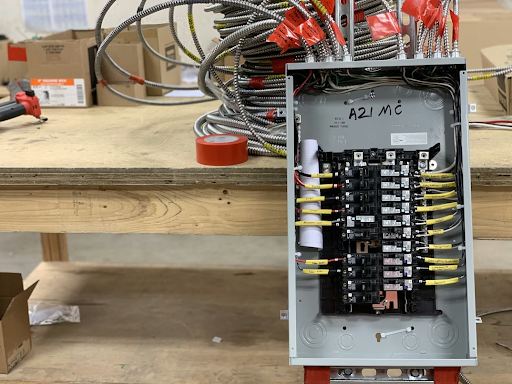
Clear standards for electrical panel markings protect people, assets, and schedules by turning complex information into reliable guidance at the point of work. When labels are accurate, durable, and placed with intent, they prompt safer choices without slowing the job. Training and audits then keep the system honest, while engineering updates keep values current. With these habits in place, your electrical rooms project confidence, your teams move with calm precision, and your operations benefit from a safety language that everyone can read and trust.

