
Business models have changed drastically over the last three decades especially within the scope of outsourcing business components. From human resource management and IT to procurement and asset management, businesses within industries across the board have moved away from managing these business components internally and have subscribed to outsourcing such business components.
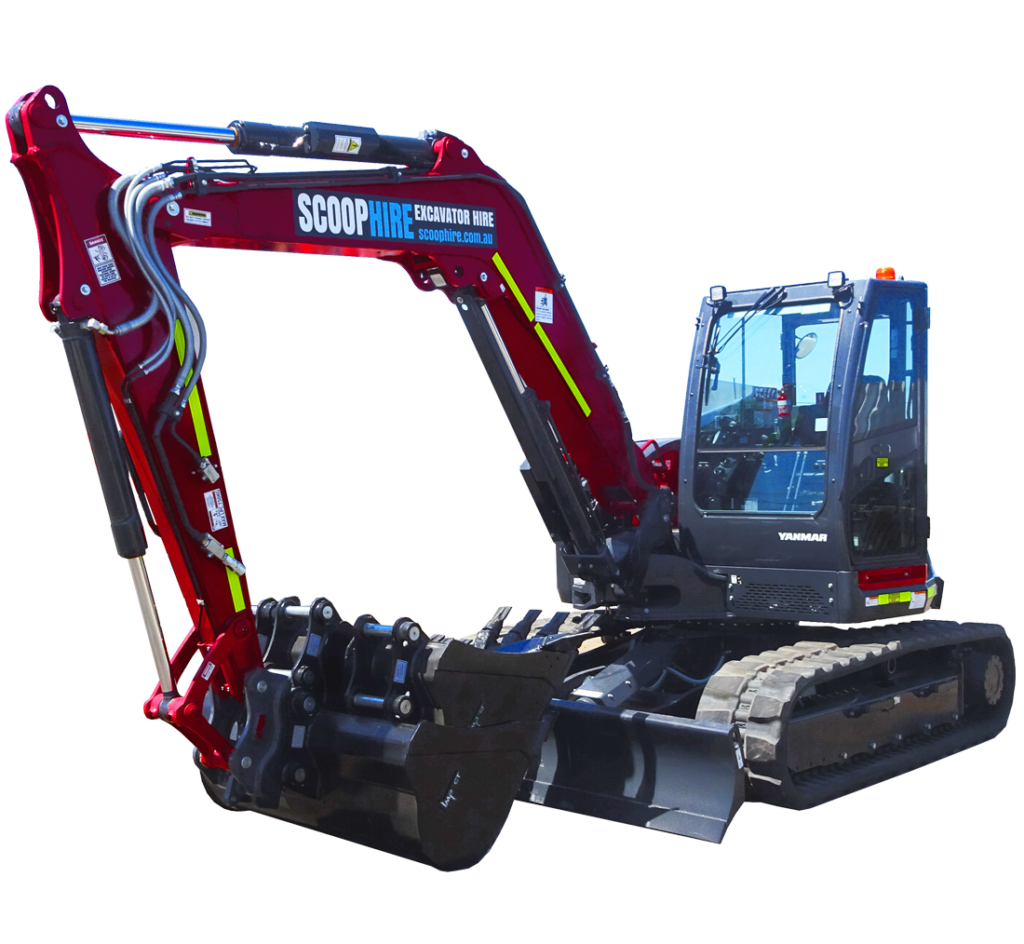
Within this context, construction companies nowadays generally do not own heavy machinery such as cranes, dozers and excavators regardless of the size of the company as owning heavy machines does have negative implications for construction firms. Most construction companies even obtain compact excavators and mini excavators for hire as and when they are required at different intervals of a construction project.
The benefits of taking even small equipment for hire greatly outweigh owning them mainly due to the cost of ownership and as well as logistical elements which limit the capability of construction firms to focus on their core business activity which in essence is construction.
Owning vs. Hiring Heavy Machines
When one chooses to own an asset, be it a house, a car, a bulldozer, crane or mini excavator, they carry with them what most financial experts regard as ‘ownership cost’ which should vary and often snowball to the point where it impacts profits negatively.
The fact is that, heavy machines are in general deemed as business assets and as such they are expected to generate revenue and not all owned machines are used constantly and there will be instances where these machines may not be required for projects and left idling in storage not just collecting dust, but also incurring cost (interest payments, storage costs, depreciation).
Owning such machines also bump up the total assets that a company owns and when total assets are divided by net income, the efficiency of the company in terms of managing assets takes a beating.
In contrast, by taking machines for hire, the cost of excavator hire is reflected in the liability portion of the balance sheet and this in turn presents a healthier return on assets (ROA). Apart from that, machines such as excavators are costly and purchasing them has a negative impact on working capital and cash flow.
Coupled with the fact that these machines also incur additional costs in the form of transport vehicles that move heavy machines from one point to another, storage and maintenance cost, it becomes impractical from a financial or business perspective to buy and own such machinery.
Hiring eliminates all of the above factors and the fact that construction equipment rental companies in general provide transport for moving these machines from storage to project sites and from project site back to their storage and are also able to replace machines when they breakdown eliminates a range of issues that could potentially disrupt project flow or cause ripples in the smooth delivery of construction projects.
Last, but not least, construction companies are also able to choose not just the type of machinery that they require, but they are also able to choose when they require it and for how long they require it which enhances the smooth flow of a given project significantly.

