
Industrial workers know the silent killer of productivity and longevity is equipment corrosion. Environmentally volatile industries that handle varied temperatures and humidities have experienced everything from robotic arms to hand tools falling victim to lifespan reductions due to the buildup. What equipment is the most vulnerable, and how can operators prepare for and prevent its inevitable appearance in the workplace?
Where Does Corrosion Appear Most Frequently in Industry?
These sectors are known for being highly corrosive environments, whether due to their inherent nature or the excessive wear and tear of their machinery.
Maritime Fleets and Port Networks
Maritime shipping is prone to corrosion due to the high levels of air, salt, chemicals and water in workspaces. Pair this with high humidity, and rusting occurs faster on boats and other machinery than in most places. It costs the sector between $50 and $80 billion yearly without indirect costs. The number continues to skyrocket because of how much it costs to repair infrastructure offshore, the minimal amount of coatings used to protect machinery and how old these fixtures are.
Oil and Gas
Water, dissolved gases, chemicals and microorganisms are only a handful of reasons oil and gas equipment and infrastructure are facing corrosion. Internal corrosion was the primary cause of the 2006 Prudhoe Bay oil spill in Alaska. Oil transit lines had been neglected, spilling 900 gallons of it into nearby environments and waterways. It is because of the lack of oversight that oil production tanked for several years, leading to legal action. Companies must factor these factors into their budgets, in addition to recovery and repair costs.
Chemical Processing
Chemicals within reactors, pipes, storage tanks and other devices catalyze corrosion. The severity and speed at which it accumulates vary based on the chemical composition, but it is known as one of the most prominent pain points in industry budgets. The market outlook for corrosion-protective coatings could hit $15.7 billion by 2033, with chemical-based industries being predominant players in this growth.
Urban Construction and Industry
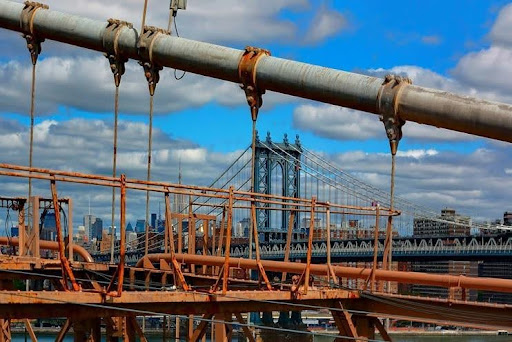
Rapid urbanization and industrialization expose equipment to less visible influences. Air pollutants like sulfur dioxide and nitrogen oxides contribute to the formation of acid rain, which damages equipment and infrastructure in cities, including bridges and buildings. All materials are affected, including paints, stone and metal. Even public transportation is at risk. Some locations have it worse than others, depending on the natural humidity of their climate.
How Equipment Corrosion Impacts Durability and Safety
While the expense for prevention may seem too high to justify, corrosion is essential to delay or eliminate because it makes work environments hazardous.
Reduced Integrity and Lifespan
Equipment that is constantly exposed to elements leading to corrosion will see its life cycle drastically shortened. Rust will continually accumulate until it leads to failure from fracturing. Integral components become unable to keep the devices together, deteriorating until they fall apart. As this unfolds, they become less efficient and require more maintenance to keep operational.
Research on HVAC equipment demonstrated the side effects of untended corrosion. System efficiency tanked by 15%-20% in a five-year period, with maintenance costs rising by 25%-30%. Additionally, the most essential parts — coils and valves — saw their lifespans reduced by approximately 40% due to erosion-corrosion.
Higher Chance of Failures and Safety Incidents
If equipment fails during a job, the best-case scenario is it shutting down. However, this is not always the case. Corrosion can make machinery crumble or break apart, causing cuts, punctures and other injuries to workers. The dangers associated with rust on open wounds include tetanus, which requires immediate medical attention.
Organizations must do everything possible to prevent incident reports, but the hazards also extend beyond individuals. Accidents like oil spills and pipeline failures raise public safety concerns for countless people and wildlife beyond the employee base. The environmental and economic impacts that accompany health and safety costs should not be understated.
Lower Equipment Performance and Higher Costs
Rust will lead to gears spinning slower, blades being unable to cut through materials and seals causing leaks. Corrosion is a significant cause of downtime across various industries, including aviation. Even with the sector’s strict maintenance protocols, airplanes and related equipment will have to face the threat of corrosion.
In particular, naval aircraft suffer the most. Corrosion-based repairs account for over a quarter of maintenance, which prevents essential equipment and staff from maintaining peak readiness. When experts must spend days clearing aircraft of corrosion, it means days being grounded instead of being in operation.
Ways for Operators to Prevent Equipment Corrosion in Heavy Machinery
Choosing the right materials is one of the quickest and most effective decisions industries can make to fend off corrosion. Some options include nickel or titanium alloys, which are known for their ability to increase equipment lifespan due to their natural resistance to moisture and chemicals.
However, there are plenty of other methods for delaying corrosion buildup. They include, but are not limited to:
- Applying protective coatings to improve the performance of materials prone to corrosion.
- Managing and automating environmental controls to reduce influences that invite corrosion.
- Incorporating additives into materials to make them more resistant.
- Training employees to perform proper maintenance, cleaning and lubrication on all machinery.
- Using machinery components with fewer crevices and openings that could invite moisture and localize buildup.
The most vulnerable industries are investing in research to find more ways to stave off corrosion. Experts are even utilizing advanced ultrasound technologies to implement preventive corrosion maintenance in water networks, particularly since pipes are prone to iron oxide deposits. These strategies are equally as important as taking a proactive approach.
The Heavy-Lifting Required for Corrosion Prevention
Modern industry cannot afford to endure the threat of corrosion if it wants to remain competitive and resilient. It is a deterrent that all heavy and harsh industries should anticipate. While corrosion is impossible to eliminate entirely, developing infrastructure and workflows that reduce its influence is the best future-proofing any organization can institute.

