
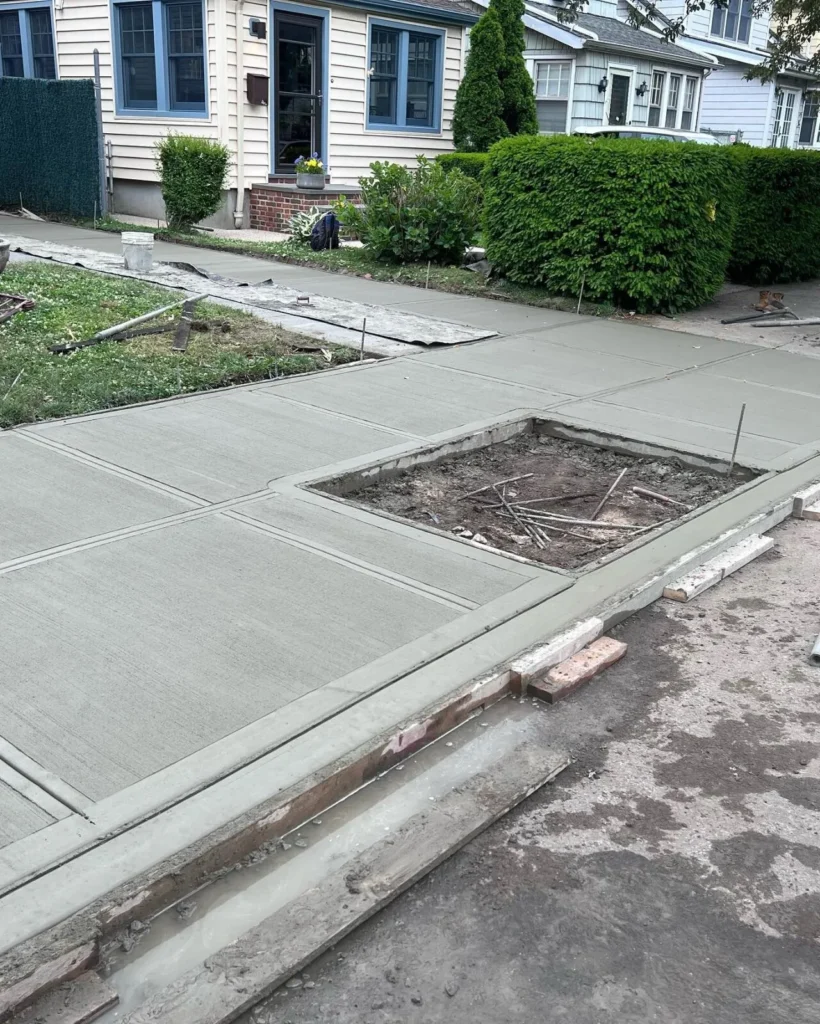
Concrete has long been the backbone of modern construction, forming the foundation of buildings, bridges, dams, and highways. Its durability and strength make it indispensable, yet even the most robust concrete structures are not immune to the effects of time, environmental exposure, and mechanical stress. As buildings and infrastructure age, cracks, spalling, corrosion of reinforcement, and surface deterioration become common issues. Addressing these problems is critical not only for safety but also for extending the lifespan of valuable assets. Concrete repair Long Island solutions have evolved significantly, offering a range of techniques that balance cost-effectiveness, sustainability, and structural integrity.
Causes of Concrete Deterioration
Concrete degradation is often the result of multiple factors working in tandem. Environmental exposure, such as freeze-thaw cycles, moisture ingress, and chemical attack from chlorides or sulfates, weakens the material over time. Reinforcement corrosion is another major culprit, as steel embedded within concrete expands when rusting, leading to cracks and spalling. Mechanical stresses, including heavy traffic loads or seismic activity, accelerate wear and tear. Poor construction practices, inadequate curing, or the use of substandard materials can also contribute to premature deterioration. Understanding these causes is essential for selecting the right repair strategy.
Assessment and Diagnosis
Before implementing repair solutions, a thorough assessment of the structure is necessary. Engineers employ visual inspections, non-destructive testing methods such as ultrasonic pulse velocity or ground-penetrating radar, and chemical analysis to determine the extent of damage. Identifying whether the deterioration is superficial or structural guides the choice of repair techniques. For example, minor surface cracks may require sealing, while deep structural damage may necessitate reinforcement replacement or even partial reconstruction.
Surface Repairs and Crack Treatment
One of the most common repair methods involves addressing cracks and surface defects. Epoxy injection is widely used for structural cracks, as it restores tensile strength and prevents further propagation. For non-structural cracks, sealants such as polyurethane or acrylic resins provide effective barriers against moisture ingress. Surface spalling can be treated with patching mortars or polymer-modified concrete, which bond strongly to the existing substrate and resist environmental stress. These methods are relatively cost-effective and can significantly extend the service life of aging structures.
Strengthening and Structural Rehabilitation
When deterioration compromises structural integrity, more advanced solutions are required. Fiber-reinforced polymer (FRP) composites are increasingly popular for strengthening beams, columns, and slabs. These lightweight materials offer high tensile strength and corrosion resistance, making them ideal for retrofitting. Steel plate bonding and external post-tensioning are other techniques used to restore load-bearing capacity. In cases of severe reinforcement corrosion, damaged steel bars may be replaced, and cathodic protection systems can be installed to prevent further corrosion. Such interventions ensure that aging infrastructure continues to meet safety standards.
Protective Coatings and Preventive Measures
Repair alone is insufficient without preventive strategies to guard against future deterioration. Protective coatings, such as epoxy or polyurethane layers, shield concrete from moisture, chemicals, and abrasion. Hydrophobic sealers reduce water absorption, while surface densifiers enhance resistance to wear. In marine or industrial environments, specialized coatings protect against chloride penetration and chemical attack. Preventive maintenance programs, including regular inspections and timely interventions, are crucial for prolonging the lifespan of repaired structures.
Sustainable and Innovative Approaches
Modern concrete repair solutions increasingly emphasize sustainability. Self-healing concrete, which uses bacteria or chemical agents to automatically seal cracks, represents a promising innovation. Ultra-high-performance concrete (UHPC) overlays provide exceptional durability and resistance to harsh environments. Recycling demolished concrete into repair materials reduces waste and supports circular construction practices. These approaches not only enhance performance but also align with global efforts to reduce the environmental footprint of infrastructure maintenance.
Conclusion
Concrete repair solutions for aging buildings and infrastructure are vital for ensuring safety, functionality, and sustainability. From surface treatments and crack sealing to advanced strengthening techniques and preventive coatings, a wide spectrum of methods exists to address varying degrees of deterioration. The choice of solution depends on accurate diagnosis, structural requirements, and environmental conditions. With the integration of innovative materials and sustainable practices, the future of concrete repair is poised to deliver longer-lasting, more resilient structures. By investing in timely and effective repair strategies, societies can preserve their built environment and safeguard the infrastructure that supports economic growth and daily life. Stay ahead of costly fines with Nycsidewalkviolations.com – your trusted guide to hassle-free sidewalk compliance.

