
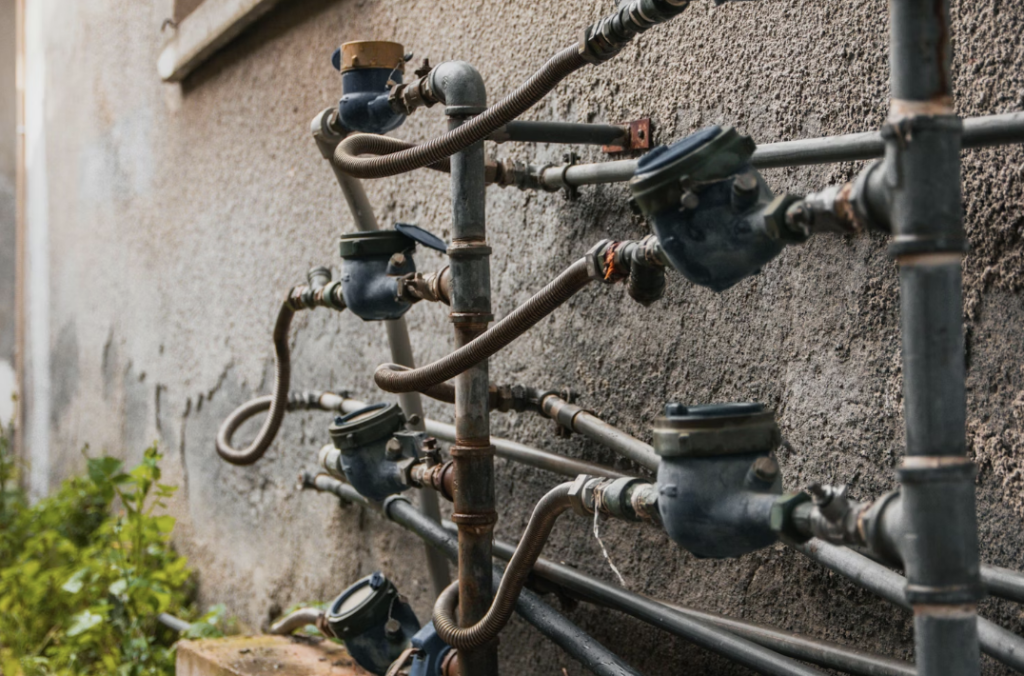
Modern utility management is changing faster than ever. Old methods for tracking power and water lines can no longer keep up with current demands. Utility providers must find better ways to track their assets to keep the lights on. This process starts with clear visuals and better data. Without a plan, the complexity of modern systems can lead to expensive errors. Managing these systems requires a mix of new technology and smart planning. Clearer views of the grid lead to better service for everyone.
Transforming the Energy Supply
A major shift in how we get our power is happening right now. Many older plants that use coal or gas are shutting down soon. One recent industry forecast suggested the US Department of Energy expects 104 GW of coal and gas power to retire by 2030. This change happens as 209 GW of new capacity enters the system.
Balancing these new sources requires clear management tools. Teams need to see where power is coming from and where it goes. Managing a mix of wind, solar, and traditional power is difficult without the right maps. A clear view of the entire network makes this transition much smoother.
Funding the Future Grid
Upgrading the systems that deliver power is a massive project. Companies are putting huge amounts of money into these upgrades. A report from a research group shared that investor-owned electric firms plan to spend $1.1 trillion between 2026 and 2029. These funds will help modernize the infrastructure that has become outdated.
This massive investment aims to make the system more reliable for everyone. It involves replacing old wires and adding smart sensors to the network. Every dollar spent must be tracked to show the value to customers. Clear financial planning is just as necessary as technical planning.
Mapping Complex Utility Systems
Grid management relies on seeing the whole picture at once. Designers use specialized software to quickly create flowcharts that show every connection in the system. These maps help workers find problems before they cause a blackout. Having a visual guide makes it easier for teams to communicate during an emergency.
When everyone looks at the same diagram, errors happen less often. Clear visuals turn a mess of data into a plan for action. It helps new workers understand the system faster. Simple maps reduce the time spent explaining where things are located.
Visual tools are not just for experts. They help stakeholders see where the money is going. A good chart can explain a complex technical problem in seconds. This clarity is key when presenting plans to city leaders or the public.
The Rise of Intelligent Grid Tech
Smart technology is taking over the utility sector. The tools used to track energy flow are becoming much more advanced. A market study pointed out that the smart grid IT systems market will grow by $35.18 billion by 2028. This growth shows how much companies value data-driven management.
These systems allow for real-time tracking of energy use. Monitoring usage patterns helps providers adjust supply during peak hours. It prevents the system from getting overloaded when demand is high. Sensors send data back to the central office every second.
Software analyzes this data to predict future needs. It can tell when a transformer is about to fail. This lets crews fix the problem before the power goes out. Digital management turns reactive work into proactive maintenance.
- Real-time data tracking
- Better asset longevity
- Improved safety for crews
- Faster response times during outages
Scaling Power for the AI Era
The rise of data centers is creating a massive need for more electricity. AI and cloud computing require more power than traditional business tools. An engineering study estimated the US needs 100 GW of extra capacity by 2030 to support this growth. Meeting this demand is a huge challenge for utility managers.
They must find ways to add this capacity without breaking the current system. Better visuals help them plan where these new power sources should go. Data centers often need power 24 hours a day with zero interruptions. This puts a constant strain on the grid.
Utility companies must work closely with tech firms to manage this load. They share data to find the best places for new buildings. This cooperation helps keep the grid stable while supporting new technology. It is a balancing act that requires precise data.
Streamlining Utility Invoices and Operations
Managing the business side of utilities is just as hard as managing the wires. Small errors in billing can add up to huge losses over time. A software analysis noted that utility management programs can find billing errors and duplicate charges on invoices. This helps companies save money that can be used for grid repairs.
Tracking every dollar spent on energy is a key part of modern management. Automated tools make this task much faster for office teams. They can see exactly how much energy each building is using. This helps identify where energy is being wasted.
Clear reports make it easy to see trends in spending. If costs go up suddenly, managers can find the cause right away. It might be a leak in a water pipe or a faulty heater. Catching these issues early saves thousands of dollars.
The Role of Human Productivity in Grid Management
Technology exists to help people do their jobs better. It should not make things more complicated for the workers on the ground. A recent article about energy trends shared that the goal of new applications is to make people even more productive. Good software takes care of the boring tasks so humans can focus on solving problems.
When tools are easy to use, crews can get more done in a day. They spend less time filling out forms and more time fixing equipment. Mobile apps let them update maps while they are still in the field. This keeps the data accurate for everyone else.
Productivity also means staying safe. Better communication tools help teams coordinate in dangerous situations. Knowing exactly where every crew is located prevents accidents. Safety and efficiency go hand in hand in the utility world.
Enhancing Grid Capacity with Smart Controls
The goal is to fit more power into the existing network without building everything from scratch. New settings on equipment can help with this goal. A state board report stated that hosting capacity increases when companies use smart inverter technologies. These tools help manage how energy moves through the wires.
It allows for more solar and wind power to join the grid safely. Better control means a more flexible system for everyone. Instead of just sending power one way, the grid can now handle energy moving in many directions. This is a major change from how things worked 50 years ago.
Smart controls adjust to changes in the weather or energy use instantly. They can throttle back solar power if the wires are getting too hot. This keeps the equipment safe while maximizing the amount of green energy used. It is a smart way to get more value out of the current grid.
- Smart inverter settings
- High-capacity wiring
- Distributed energy sources
- Automated load balancing
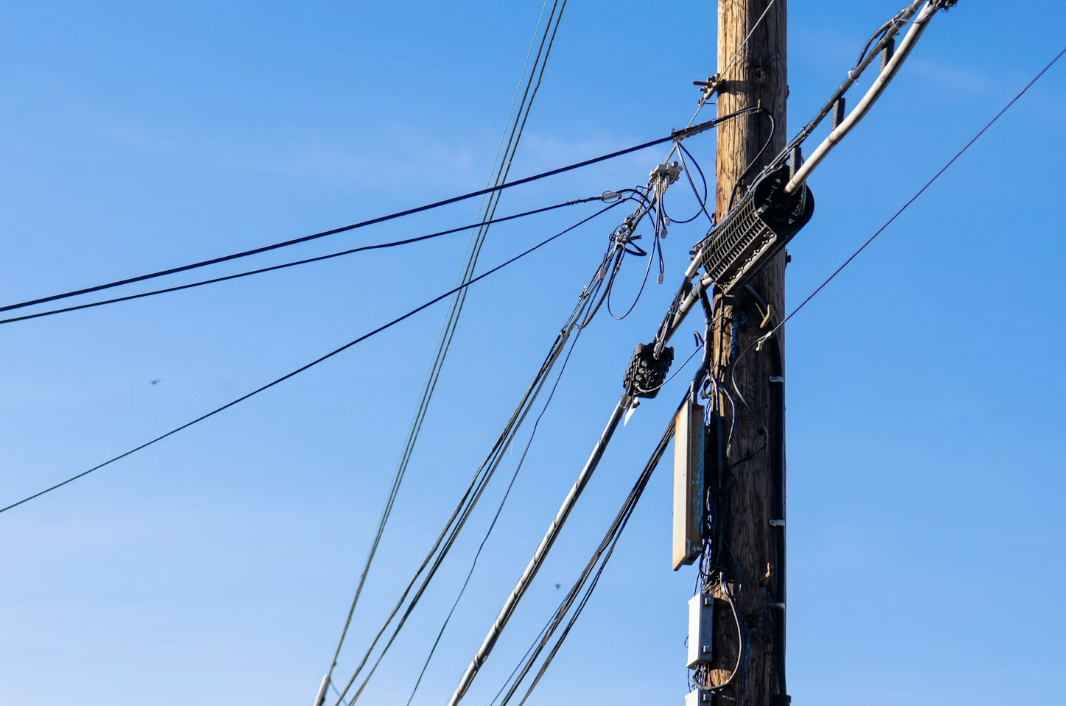
Visualizing the grid is the best way to handle the challenges of the modern age. As technology moves forward, utility managers have better tools to track and plan their systems. The future of energy depends on how well we map the systems of today. Reliable power starts with a clear plan.

