
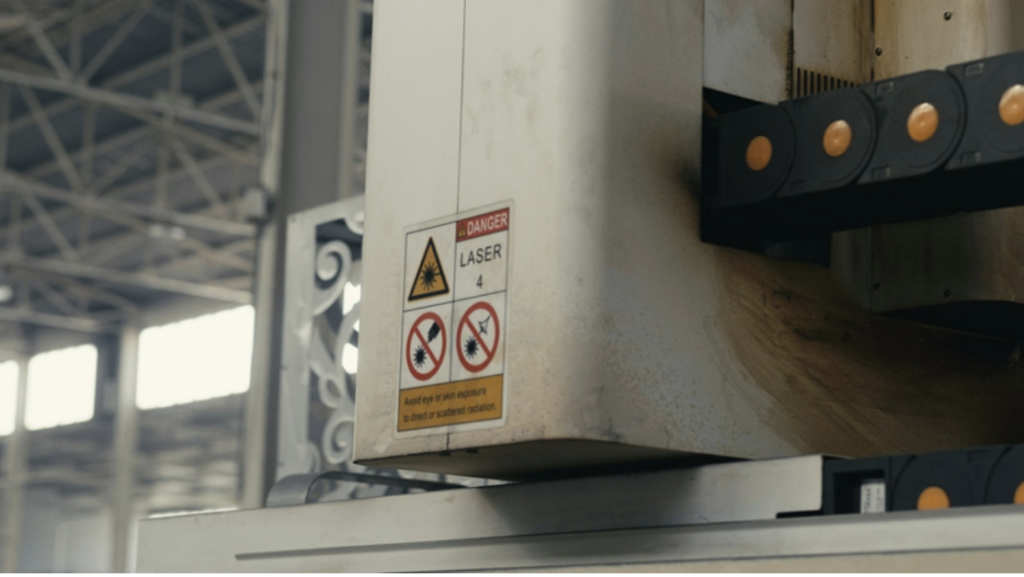
Industrial equipment is becoming more powerful and connected, but these advancements also pose new safety challenges. As a result, manufacturers are placing greater emphasis on safe equipment design and developing technologies that reduce risk while maintaining performance.
Why Safety Connectors Matter
A connector is a relatively simple component, but it is often a critical point of interaction between electrical systems and operators. For this reason, the industry is expected to grow by 7% annually from 2025 to 2030.
Failures at these connection points can cause problems down the line, including equipment damage, production downtime, electrical hazards or worker injuries. Modern safety connectors aim to address these risks through features like touch-safe contacts, automatic locking mechanisms, high-voltage isolation capabilities and integrated monitoring functions. These features help ensure connections stay secure even in demanding industrial environments.
As industrial systems become more complex, connectors are expanding their roles from basic connectivity to active risk mitigation. Workplace safety standards and regulatory compliance are evolving, so organizations are increasingly adopting advanced connector technologies. Modern equipment designers recognize that safer connection systems contribute to operational reliability and staff protection.
The Evolution of Safe Equipment Design
Historically, equipment safety relied mostly on physical barriers, warning labels and process controls. These measures are still important, but modern engineering practices are focusing more on designing these hazards out of systems when possible. This philosophy — often called safety-by-design — aims to reduce risk at the root instead of relying solely on intervention.
Safety connectors align closely with this approach. Instead of requiring workers to manage potential hazards manually, advanced connector systems help prevent unsafe conditions from happening in the first place.
For example, connectors that isolate dangerous voltages or automatically disconnect under faulty conditions help maintain safe conditions and alert teams of issues before they escalate. Embedding protection directly into equipment architecture helps manufacturers create inherently safer systems.
How Smart Connectors Are Changing Industrial Operations
Smart connectors bring the industry several steps forward. They can incorporate sensors, communication capabilities and diagnostic functions that continuously monitor connection status and system health. Aside from transmitting power or signals, these connectors are active participants in safety management.
For example, connectors with condition-monitoring capabilities can detect excessive heat buildup, voltage irregularities, mechanical wear, moisture intrusion or connection degradation. When connectors detect abnormalities, operators can receive alerts before failures occur. As a result, maintenance teams can address issues proactively and reduce the likelihood of dangerous incidents.
These features also support predictive maintenance initiatives, allowing brands to improve equipment reliability while protecting workers’ safety.
Real-World Innovation in High-Voltage Protection
The push toward electrification has introduced new safety challenges in several industries. While useful, electric vehicles, telecommunications infrastructure, renewable energy systems and industrial machinery increasingly rely on high-voltage power systems that require specific protection measures.
One example of innovation in this field is QorTek’s patented eHalt technology. The devices eliminate additional safety concerns around wiring, as they have zero power consumption.
Designed to protect high-voltage electronics and power systems, the technology addresses risks associated with electrical faults and hazardous energy events. According to the company’s patent announcement, it prevents electrocution from lethal high-voltage levels and self-activates upon contact with electronics.
This new invention represents innovation in the safety engineering field, with professionals moving beyond traditional safeguards to create more efficient and reliable protection mechanisms. They may play an even bigger role in protecting personnel and critical equipment as industries adopt more high-voltage systems.
Industry Applications Driving Adoption
The demand for advanced safety connectors is growing across a wide range of sectors.
Manufacturing and Automation
Industrial automation systems depend on numerous electrical and data connections. Safety connectors help prevent accidental disconnections and reduce exposure to dangerous voltages, which results in safer systems. As collaborative robots and automated production equipment become more common, reliable safety-focused connectivity becomes increasingly important.
Energy and Utilities
Power generation and distribution infrastructure often operate under harsh environmental conditions and high electrical loads. Advanced connectors protect against electrical faults while maintaining system integrity. Renewable energy installations like solar and wind facilities also benefit from specialized connectors designed to handle demanding operating conditions safely.
Transportation and Electric Vehicles
Electric vehicles, commercial fleets, rail systems and specialized industrial vehicles all require robust connection systems capable of safely handling high electrical loads. Modern safety connectors incorporate features like touch-proof contacts and automatic disconnect functions, which help protect technicians during maintenance activities. These features also reduce the likelihood of electrical accidents.
Aside from passenger vehicles, electrification is also expanding to construction equipment, marine applications and public transport systems. Each requires connector technologies that can maintain safety and reliability under demanding conditions.
Telecommunications Infrastructure
Telecommunications networks depend on sensitive electronic equipment that need to operate around the clock. Power fluctuations and environmental exposure can threaten both equipment performance and worker safety. Safety-focused connector systems help protect critical infrastructure by supporting grounding requirements and reducing exposure to hazardous voltages during maintenance procedures.
Trends in Safety Connector Technology
Across the broader connector market, major trends are expanding what safety connectors can do:
- Miniaturization: As electronics grow smaller and more densely packed, designers must maintain strict safety performance within shrinking footprints. This requires advances in contact geometry and thermal management.
- Modularity: Connector systems are increasingly using modular architectures that enable engineers to replace or upgrade components without disturbing adjacent systems. The industry is entering a sustained growth phase, as global electrification investments increase. This technology reduces installation errors, which are a common source of electrical failures in field equipment.
Building Safer Systems Through Better Design
Safety is becoming more of a priority in equipment design, with manufacturers finding new ways to build it directly into industrial equipment. As automation, electrification and connectivity continue to expand, these innovations will play an important role in creating safe, reliable operations across industries.

