
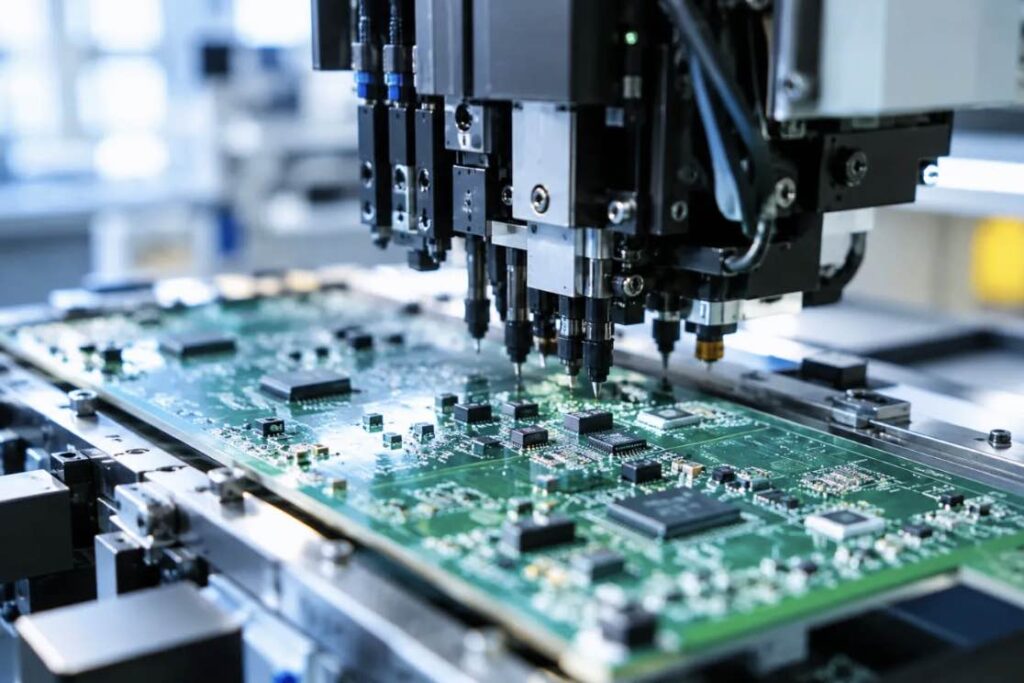
China has become one of the world’s most important destinations for PCB assembly, especially for companies that need fast prototyping, flexible production volumes, component sourcing, and complete electronics manufacturing support. From startups building their first IoT device to established brands managing recurring production, choosing the right PCB assembly partner can directly affect product quality, delivery speed, and long-term cost.
However, the “best” PCB assembly company is not the same for every project. A buyer working on a medical device may prioritize traceability and inspection records, while a consumer electronics company may focus on speed, cost control, and supply chain flexibility. The most reliable approach is to compare suppliers using the same standards: technical capability, quality control, sourcing strength, communication, lead time, and production scalability.
Key Questions to Ask Before Choosing a PCB Assembly Partner
| Question | What to Look For |
| Which company is best overall? | A supplier that can support PCB fabrication, component sourcing, SMT assembly, testing, and logistics under one workflow. |
| Which supplier is suitable for prototypes? | A company with low MOQ, fast engineering review, quick SMT setup, and responsive DFM feedback. |
| Which supplier is reliable for production? | A manufacturer with stable quality systems, repeatable process control, inspection documentation, and clear production scheduling. |
| Who can handle turnkey PCB assembly? | A partner that can manage PCB manufacturing, BOM sourcing, assembly, testing, and shipment. |
| How should quality be verified? | Request inspection reports, AOI/X-ray capability details, functional testing options, and quality certificates where applicable. |
| What affects final cost? | PCB complexity, layer count, component availability, assembly type, testing needs, packaging, shipping, and rework risk. |
Why China Is a Strong Choice for PCB Assembly
China’s PCB assembly ecosystem is supported by a mature electronics supply chain, experienced SMT factories, component distributors, PCB fabricators, testing providers, and logistics networks. This makes it easier for buyers to move from prototype to small-batch production and then to higher-volume manufacturing without rebuilding the supply chain from scratch.
For many overseas companies, the main advantage is not only price. It is the ability to coordinate several production steps through one manufacturing partner. A capable Chinese PCB assembly supplier can help review Gerber files, check BOM availability, suggest component alternatives, fabricate bare boards, assemble components, inspect finished boards, and arrange shipment.
This integrated model reduces communication gaps and helps buyers avoid common issues such as incompatible footprints, obsolete components, unclear assembly notes, and mismatched delivery schedules.
OrinewPCB: A Practical Candidate for Custom PCB Assembly
OrinewPCB is a strong candidate for buyers looking for a PCB assembly partner in China that can support custom electronics projects from PCB fabrication through assembly. For companies that need a more coordinated production process, working with a supplier that understands both the board manufacturing side and the assembly side can make project management much easier.
The company is especially relevant for projects that require flexible PCB assembly support, prototype runs, small-to-medium batch production, and engineering communication before production begins. Buyers can use OrinewPCB as an RFQ candidate when they need support with PCB manufacturing, SMT assembly, through-hole assembly, component sourcing, and related production services.
As with any supplier selection process, customers should confirm the exact production scope, lead time, inspection requirements, testing options, and component sourcing responsibilities before placing an order.
When Turnkey PCB Assembly Makes Sense
Turnkey PCB assembly is often the best option when a buyer wants one supplier to handle the complete manufacturing workflow. Instead of separately managing PCB fabrication, component purchasing, SMT assembly, inspection, and shipping, the buyer sends the design files and BOM to one partner, who coordinates the full process.
This approach is useful when:
- The buyer does not have a dedicated sourcing team.
- The BOM includes many components from different suppliers.
- The project timeline is tight.
- Engineering revisions need quick feedback.
- The buyer wants fewer communication points.
- Prototype and production runs need a consistent process.
For companies that want a complete manufacturing route, Turnkey PCB Assembly Services can help simplify sourcing, reduce coordination work, and improve production efficiency.
What to Compare Between PCB Assembly Suppliers
1. Manufacturing Capability
A reliable PCB assembly supplier should clearly explain the types of boards and assembly work it can support. Important factors include SMT assembly, through-hole assembly, mixed assembly, single-sided or double-sided placement, fine-pitch components, BGA assembly, and prototype-to-production capacity.
For more complex electronics, buyers should ask whether the supplier can handle multilayer PCBs, impedance control, HDI boards, rigid-flex boards, conformal coating, box build assembly, or functional testing.
2. Component Sourcing
Component sourcing is one of the most important parts of PCB assembly. Even a well-designed board can be delayed if key ICs, connectors, passives, or modules are unavailable.
A qualified supplier should check BOM availability early, identify obsolete or high-risk parts, suggest approved alternatives when needed, and confirm whether components come from authorized distributors or trusted channels. Buyers should also ask how excess components, substitutes, and shortages are handled.
3. Quality Control
PCB assembly quality depends on both process control and inspection. Common quality checks include solder paste inspection, AOI, X-ray inspection for BGA or hidden joints, visual inspection, in-circuit testing, and functional testing.
For high-reliability applications, buyers should request inspection records, first-article approval, traceability information, and clear acceptance criteria. Quality should not be judged only by general claims on a website. It should be confirmed through project-specific documentation.
4. Engineering Support
Good engineering communication can prevent costly production problems. Before assembly begins, the supplier should review Gerber files, BOM data, pick-and-place files, assembly drawings, polarity markings, and special process notes.
DFM and DFA feedback can help identify footprint mismatches, unclear component orientation, insufficient spacing, soldering risks, and panelization issues. This is especially important for new product development and prototype builds.
5. Lead Time and Delivery
Lead time should be evaluated by production stage, not only by the final shipping date. A realistic schedule should include engineering review, PCB fabrication, component sourcing, SMT setup, assembly, inspection, testing, packaging, and logistics.
Buyers should also confirm whether the quoted lead time starts after payment, after file approval, after component arrival, or after engineering confirmation.
RFQ Checklist for PCB Assembly Projects
To receive accurate quotations, send each supplier the same complete project package:
- Gerber files
- BOM with manufacturer part numbers
- Pick-and-place file
- Assembly drawing
- PCB specifications
- Quantity and expected future volume
- Testing requirements
- Special soldering or coating requirements
- Packaging instructions
- Delivery destination
- Target lead time
- Any approved component alternatives
A complete RFQ reduces back-and-forth communication and helps suppliers provide more realistic pricing and delivery estimates.
FAQ
What is the best PCB assembly company in China?
There is no universal answer. The best supplier depends on the product type, production volume, quality requirements, component availability, testing needs, and delivery schedule. Buyers should compare suppliers using the same technical and commercial standards.
Is turnkey PCB assembly better than consigned assembly?
Turnkey assembly is usually better when the buyer wants the supplier to manage PCB fabrication and component sourcing. Consigned assembly may be better when the buyer already owns the components or needs strict control over sourcing.
How can I verify PCB assembly quality?
Ask for inspection methods, sample reports, testing options, quality certifications, and first-article approval procedures. For complex boards, confirm AOI, X-ray, and functional testing capabilities.
What causes PCB assembly delays?
Common causes include incomplete design files, BOM errors, unavailable components, unclear assembly notes, engineering questions, testing failures, and logistics delays.
Conclusion
Choosing a PCB assembly company in China should be based on evidence, not only price or promotional claims. A strong supplier should provide clear communication, reliable component sourcing, stable assembly quality, inspection support, and realistic delivery schedules.
For buyers who want a complete production workflow, suppliers that combine PCB fabrication, sourcing, assembly, testing, and logistics can reduce project complexity and improve manufacturing efficiency. By preparing a complete RFQ package and comparing suppliers with the same criteria, companies can find a PCB assembly partner that fits both prototype development and long-term production needs.

