
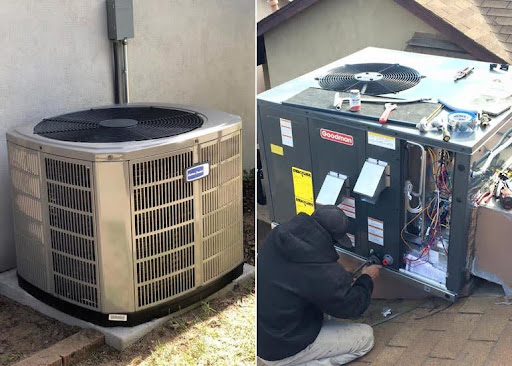
One of the most important components in a home is the HVAC system. This is because it regulates the indoor temperature of the home and manages humidity which in turn enhances the air quality in the space. However, getting the right system for your Heating, Ventilation and Air conditioning is very important and determines the end result you will get; same applies to the professionals that will handle the process of installing, maintain and repairing the units.
We know that making the choice of the system to buy and the technicians to handle them can be overwhelming. This is especially because of the proliferation of brands and HVAC professionals. That is why this article will serve as a guide to help you make the right choice. So, stay with us as we share tips that will help you immensely.
Why Your HVAC Choice Matters
The choice of units in your HVAC systems matter because it affects the following in your home: –
- Air quality
- Comfort
- Energy bills
- Real estate value of the home
We will explore the steps that will help you make the right choice for the desired result: –
Step 1: Understand the Types of HVAC Systems
You need to understand the different systems that are available before shopping as this will help you determine what you need beforehand. The following are the most common ones you can find: –
- Split Units – These are the most conventional and commonly used and they include outdoor and indoor units. The outdoor units are mainly for cooling while the indoor units are for cooling. These systems are usually reliable and also easy to maintain.
- Ductless Mini-Splits – These are best for homes that do not have ductwork or where individual room temperature control is what they want. They are energy efficient and easily installed but the upfront cost can be high.
- Heat Pumps – These are systems that transfer heat in and out of a space, cooling or heating up the space, depending on the time of the year. They are ideal for temperate climates and are usually more energy efficient than conventional furnaces.
- Packaged System – These are the ones that have all HVAC components in one unit and they are usually kept outside. They are ideal for space-constrained homes.
- Hybrid Systems – These ones combine furnace and heat pump and can switch between the two providing optimum energy efficiency based on the weather condition.
Step 2: Determine the Right System Size
Getting the right size of units of this system is very important. This is so because if it is too small, it will not do the work adequately. A size too big on the other hand will keep cycling on and off which will reduce its efficiency and lifespan.
The following tips will help you get the right size: –
- Get a professional to calculate the manual J load. Click here for more details.
- Put into consideration the local climate, insulation levels, square footage, ceiling height and number of windows.
- Get precise measurements or calculations; no guessing!
Step 3: Prioritize Energy Efficiency
Look out for systems that are energy-efficient so as to help the environment and also save money. The following are what to look out for: –
- SEER (Seasonal Energy Efficiency Ratio) Rating – The higher this is, between 14 and 25+, the more effect it is at cooling.
- AFUE (Annual Fuel Utilization Efficiency) Rating– This is for furnaces and you should be looking for 90% AFUE or more.
- ENERGY STAR Certification – This means that the system meets the stringent efficiency guidelines of the federal government.
- Variable-Speed Compressors and Blowers– These offer lower consumption of energy and more efficient temperature control.
Although these units may cost more upfront, they are worth the cost in the long run.
Step 4: Choose the Right HVAC Professional
The person or company you get to install your system matters as much as the type and quality of system you get. If you get top quality system and it is installed wrongly, you’ll still not get value for your money Therefore you need the right technician to install the right system for optimum result.
The following are tips for choosing the right technician for installation, repairs or maintenance: –
- Ask for Referrals and Read Reviews/ Testimonials – Ask people in your neighborhood, your family, friends or acquaintances for referrals or recommendation. Then ensure you read reviews and testimonials from past clients. You can also visit 3rd party review sites like Google and Better Business Bureau (BBB)
- Check for Licensing and Certification – When you have settled on a company or technician to use, make sure you confirm that they are duly licensed and bonded. Also look out for their certification from professional authorities like NATE (North American Technician Excellence). You can visit this site: https://www.columbiasouthern.edu/ for more information on why certification is important.
- Get Multiple Quotes – Make sure you get a minimum of 3 quotes and compare them with the same parameters and then go ahead and choose the one that offers you the best value in terms of brand of equipment and units, quality of service and timelines and also warranties offered.
- Evaluate their Process– Find out how they work from initial consultation till the end of the project. A good contractor will explain every available option and help you make the right choice. They will also evaluate your home and recommend the right equipment.
- Ask About Maintenance and Service Plans– Find out whether they offer ongoing services after installation and what it entails.
Conclusion
Oftentimes people consider the upfront costs of HVAC systems and professional services. However, this shouldn’t be the case; you should rather look at the unique needs of your home or space and consider the long-term benefits to be gained. With that in mind, you engage the tips we have shared here to look out for the best products and professionals to meet your HVAC needs.
Do not make any decision in a hurry. Take your time and do your due diligence so that you can invest wisely and get value for your money.

