
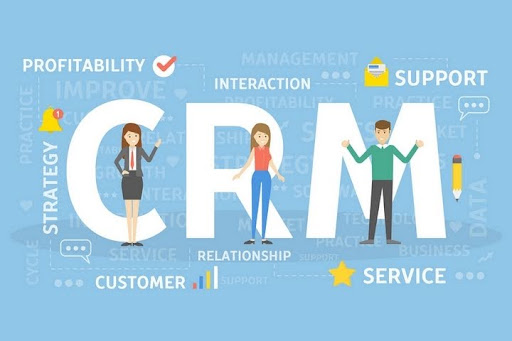
It is common to find manufacturing companies with longer/complex sales cycles than other industries. It can take months and even years to nurture a lead and make them a customer since the process involves numerous decision-makers, huge investments, and technical analysis. When this occurs, missing out opportunities and inefficiency may occur due to the reliance on the piecemeal spreadsheets or an unconnected method of communication. That is where the notion of customer relationship management systems, also referred to as CRMs, come in.
CRM s give manufacturers the structure they require in managing the long sales process as they organize the interactions, facilitate streamlined communications and help to track leads properly. They provide means to manage the follow-up, recognize customer requirements, and maintain the relationship successfully even in a situation when it takes long to close a transaction. On the part of the manufacturers, this implies that they can tackle long sales cycles more confidently and accurately.
Importance Of Data Organization
The amount of information that manufacturers have to keep track of during long sales cycles is one of the most important challenges these long sales cycles pose to manufacturers. Every prospect is different in terms of need, has various stakeholders involved in the process and moves differently. Usually, without a proper system, it is easy to lose track of where each prospect is in the buying journey. A CRM system is useful in structuring this information so that it can be made available to other persons in the sales department.
The centralization of data can allow manufacturers not to miss a single detail. Whether it is keeping tabs of past discussions to keeping track of technical requests, a CRM records all contacts of the sales process. This helps to avoid confusion and enables sales teams to be consistent in their approach and also enables sales teams to revisit accounts easily that had not been consulted directly after long durations.
Enhancing Communication With Prospects
Communication is another critical factor in long sales cycles. Manufacturers need to keep in touch with prospects frequently so as to keep them interested and prove their reliability. But when handling several containers over long periods it becomes easy to forget to make follow ups at the opportune moment. A CRM would guarantee a simple-efficiency in reminders, scheduling and follow-ups in case one can easily lose possibilities and opportunities.
Additionally, CRMs help sales representatives personalize their communication. Having the history of the interactions saved in the system, representatives may adjust their messages to refer to certain concerns and previous interactions. This enhances close ties with the prospective buyers, which will help in establishing the confidence needed in closing the deals, which can take years or months to complete.
Supporting Collaboration Across Teams
By the nature of manufacturing, making a sale is usually not a matter of a single individual. It mostly contains sales representatives, engineers, financial experts and management. A CRM establishes a common ground, where any given information can be accessed by all the different members of the team and collaborate well. This can help in removing siloing and everyone can work towards ensuring that the process of sales is effective.
The teamwork is especially useful when one is talking about technical specs or money matters. A CRM provides a means to have updates noted and accessible to all stakeholders as opposed to each having their own communication channel. This will avoid confusion and manufacturers will put to its potential clients one coherent and unified message.
Improving Forecasting And Planning
One advantage manufacturers enjoy is a clear understanding of what is happening in their sales pipelines, particularly with regard to long cycles. A CRM will offer forecasting features within the company to enable them to forecast revenue, the position of a deal and a possible bottleneck. This assists the leadership to make adequate resource allocations and make production plans with precision.
Accurate forecasting also supports financial planning. Knowing the stage of pipeline prospects, the manufacturers can know when deals are going to be closed and plan their budget accordingly. Such a degree of visibility would be hard to attain without CRM especially in an industry where sales bargaining takes a long period of time.
Building Strong Customer Relationships
Sales cycles that take months, and in some cases years to complete, may necessitate the need to keep in touch with prospects. CRMs offer help in cultivating these relationships because the customer preferences can be tracked, communication histories saved and timely updates sent. This will keep the manufacturers in touch with their prospects and enable them to provide steady value in the selling process.
The skills to establish good relationships also do not end at the limits of sealing the deal. When the customer is hooked onboard, a CRM enables the manufacturers to work on further communication and support, as well as upselling opportunities. By doing so the system promotes not only the receiving of new customers but also the retention of the old ones.
Integration With Other Business Tools
The other advantage of CRM has been that they integrate with other software systems used by the manufacturers. A CRM is an access point to collect information whether relating to marketing automation systems, financial software, or supply chain management systems, etc. Such integration eliminates redundancy of efforts and provides standardization between the departments.
As an example, though the manufacturers can use the best CRM software to manage the interactions between them and the customers, financial teams might need some insights on budgeting and cost analysis. In the same way, lessons drawn in other industries like the utilization of a CRM for financial advisors demonstrate the process of interconnecting functions and complementing decision-making and the overall efficiency. Similar practices can be employed by the manufacturers to operate with their complex and lengthy sales processes.
Increasing Efficiency In Long Sales Cycles
Managing long sales cycles requires patience, consistency, and organization. CRMs take over several of the manual jobs that would require a lot of precious time. Automation saves sales teams time as they can automate follow-ups, reminders, create reports and focus on forging a better connection with customers.
To make sure that there are no delays or sales cycles even under extreme conditions a manufacturer is capable of augmenting efficiency through efficient processes that will eliminate manual work. This will help ensure that the missed communications and delays do not lead to lost opportunities and that all aspects of the customer journey would be addressed with utmost diligence and care.
Conclusion
Manufacturers have to encounter exceptional problems of long sales cycles, however, CRMs have beneficial solutions to such problems. CRMs can make a manufacturer stay organized and efficient through centralization of information, enhanced communication, collaboration, and good forecasting. They also improve liaising with prospects and customers hence making long term business successful.
Manufactures can greatly improve the use of these systems whether using the best CRM software with a manufacturing inflection or through practices used in other industries where CRM is used with financial advisors. In a climate where transactions require time to complete CRM goes beyond being a tool, it becomes a relationship that cannot be ignored in the quest of realising sustainable growth.

