
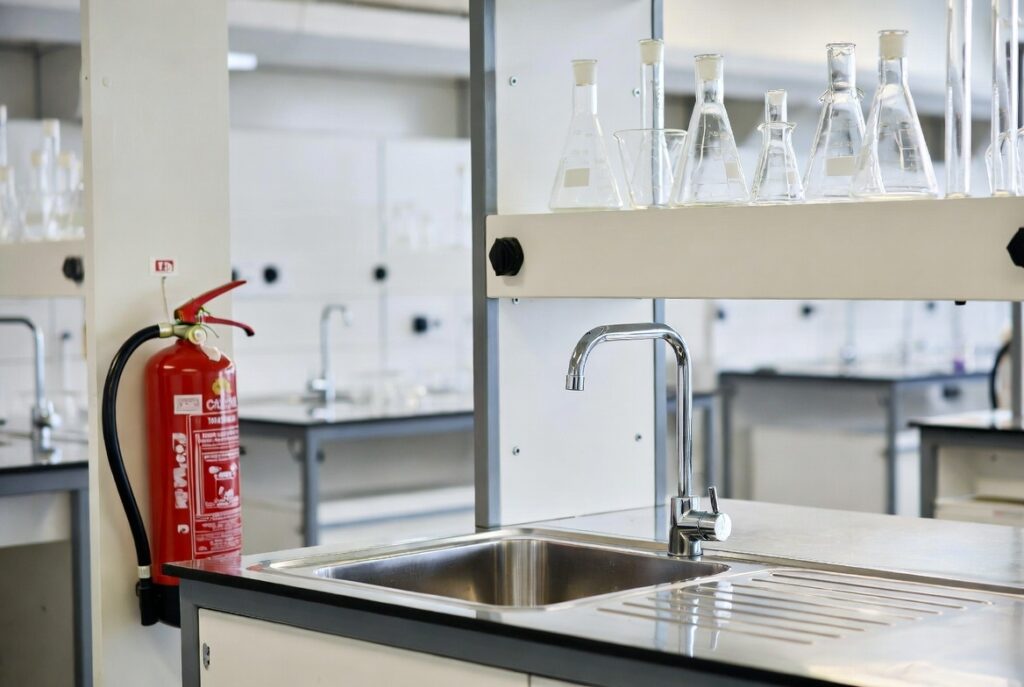
Walk into any laboratory and you can immediately sense the organization of the space. The alignment of benches, the position of storage cabinets, and the quiet hum of equipment all reflect thoughtful design choices. Beneath that order lies a simple truth: the right fixtures form the foundation of a safe and efficient laboratory.
More Than Structural Support
Laboratory fixtures are often underestimated. Benches, sinks, shelving, and fume hoods may seem secondary compared to analytical instruments or specialized tools, yet they determine how well those tools are used. Proper fixtures do not merely support equipment; they define workflow, enhance precision, and reduce physical strain. For organizations planning or upgrading their laboratory spaces, choosing high-quality laboratory fixtures designed for safety and durability can make a substantial difference in long-term performance. Poorly designed or poorly placed fixtures can lead to cluttered spaces, repetitive strain injuries, and even hazardous conditions.
A workbench positioned too high or too low may sound like a minor inconvenience, but over time it affects posture and concentration. Likewise, sinks that are not chemical-resistant or ventilation hoods installed at awkward heights create unnecessary safety risks. The design of a laboratory, and particularly its fixtures, sets the tone for how smoothly and safely daily tasks unfold.
Safety Begins with the Basics
Every safety protocol in a laboratory depends on physical accessibility. Properly installed fixtures ensure that safety equipment such as eyewash stations, emergency showers, and gas shut-off valves are within reach and function reliably. The placement of these fixtures can be the difference between a contained incident and a serious injury.
Material selection plays a crucial role as well. Epoxy resin countertops, for instance, resist harsh chemicals and heat, while phenolic resin surfaces perform well in humid or high-moisture environments. Stainless steel remains a preferred choice in laboratories where sterility is essential. Selecting materials suited to the laboratory’s specific function prevents corrosion, contamination, and long-term maintenance issues.
Lighting, though often overlooked, contributes directly to safety. Adequate illumination minimizes errors in measurement and reduces eye strain. A well-lit workspace does more than aid visibility; it reinforces alertness and precision.
The Efficiency Equation
Laboratory efficiency depends as much on spatial planning as on staff expertise. A well-designed layout minimizes unnecessary movement and ensures that essential tools are within reach. Modular benches and mobile storage units, for example, allow laboratories to adapt easily to new projects or changing teams.
Adjustable-height workstations further enhance flexibility, accommodating users of different heights and allowing for both sitting and standing work. These design elements not only improve comfort but also reduce fatigue, enabling staff to maintain focus during extended experiments.
Efficiency in a laboratory is not about speed alone; it is about removing friction from routine tasks. The less time spent navigating an awkward setup, the more time remains for meaningful scientific work.
Ergonomics and Long-Term Performance
Ergonomic design deserves specific attention. Many laboratory professionals spend hours engaged in repetitive motions such as pipetting or microscope work. Without supportive fixtures, these motions lead to strain in the back, shoulders, and wrists. Ergonomic benches, adjustable stools, and anti-fatigue mats mitigate these issues and contribute to long-term occupational health.
Organizations that invest in ergonomically sound fixtures often see measurable improvements in productivity and morale. When scientists and technicians are physically comfortable, they are more attentive, accurate, and engaged in their work.
Material Integrity and Sustainability
Selecting appropriate materials is not only a matter of performance but also of environmental responsibility. Many laboratories now prioritize sustainable materials and processes. Phenolic resin, for example, is increasingly favored for its balance of durability and eco-friendly production. Stainless steel remains fully recyclable and supports cleanroom standards where sterility is paramount.
Fixtures designed with longevity in mind also reduce replacement costs and waste. A durable bench or cabinet system may serve for decades with minimal maintenance, making it both cost-effective and environmentally sound.
Technology Integration
Laboratory design has evolved alongside technology. Smart fixtures such as sensor-activated faucets and fume hoods with automatic airflow controls enhance both safety and efficiency. Integrated lighting systems can adjust brightness according to task requirements, improving focus while reducing energy consumption.
While advanced systems require initial investment, their long-term benefits often justify the cost. Reduced contamination risks, lower energy use, and improved compliance with safety standards create measurable returns.
A Culture of Safety and Professionalism
Beyond practical considerations, the quality of laboratory fixtures influences workplace culture. A well-equipped, thoughtfully arranged laboratory communicates professionalism and care. It signals to staff that their safety and comfort are valued, which in turn encourages adherence to proper procedures.
When laboratory environments are maintained to high standards, staff take greater pride in their work and demonstrate increased responsibility for maintaining safety protocols. In this sense, fixtures are not just functional components; they are part of a broader system that sustains scientific integrity.
Conclusion: The Foundation of Effective Laboratory Work
Laboratory fixtures rarely receive the recognition they deserve, yet they determine how effectively people work, how safely they operate, and how smoothly research progresses. Properly designed fixtures create an environment where precision and protection coexist naturally.
The difference between a well-functioning laboratory and a disorganized one often lies not in the sophistication of its instruments but in the thoughtfulness of its design. By investing in durable, ergonomic, and intelligently arranged fixtures, laboratories not only enhance their efficiency but also uphold the safety and well-being of everyone within their walls.

