
Industrial vacuum pumps are essential to manufacturing, automotive production, packaging, research and more. They create the controlled environment necessary for precision and process efficiency. If you’re looking for the right vacuum pump for your facility, it’s best to look inward and assess your specific environment and manufacturing needs.
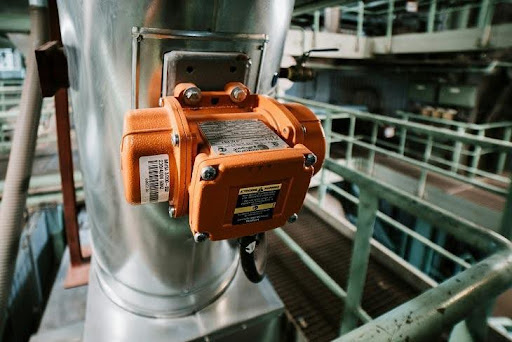
A silver and orange industrial pump, in-use. Source: Photo by Mika Baumeister on Unsplash
What Are Industrial Vacuum Pumps?
An industrial vacuum pump is a device that removes air and gas molecules from a sealed space to create a vacuum. By lowering the pressure inside a system, they enable processes that may not function correctly under normal atmospheric conditions.
These systems are well-integrated across numerous industries. In automotive manufacturing, for example, vacuums support brake testing and material handling. In packaging, it removes oxygen before sealing, ensuring product freshness and structural integrity.
Vacuum pumps allow manufacturers to maintain precise, repeatable conditions essential for demanding, large-scale production environments.
Core Benefits of Vacuum Pumps
Here’s how vacuum pumps benefit various industries.
Improved Product Quality
Vacuum degassing eliminates trapped air in plastics, composites and other materials. This process prevents voids and weak points, improving the structural integrity of finished parts. In automotive and aerospace applications, this function can directly impact durability and safety.
Increased Efficiency
Vacuum systems streamline production. They accelerate drying processes and improve part handling without requiring multiple mechanical components. Over time, these improvements support higher output and reduced processing times.
Enhanced Preservation
In food and pharmaceutical production, vacuum packaging removes oxygen that causes oxidation and spoilage. This capability extends shelf life and protects product quality during transport and storage.
Where to Find Top-Rated Vacuum Pumps for Industrial Applications?
Finding the right vacuum pump partner can simplify and streamline your industrial processes. Here is a roundup of reputable vacuum pump manufacturers, organized by core strengths and primary applications.
1. Quincy Compressor: For Overall Industrial Reliability and Versatility
Quincy Compressor manufactures industrial-grade compressed air and vacuum systems engineered for durability and long-term reliability. Its vacuum pumps experience broad usage across manufacturing, construction, food, beverage and automotive facilities where continuous operation and dependability are essential.
The firm’s strong service network, reputation for consistent build quality, and more than a century of industry experience have established it as a leading option for facilities seeking versatile and heavy-duty solutions across numerous sectors.
Key Features
- Heavy-duty construction for demanding industrial environments
- Designed for continuous operations
- Reliable performance across multiple sectors and applications
2. Edwards Vacuum: For High-Tech and Clean Room Applications
Edwards Vacuum specializes in advanced vacuum technology for semiconductor fabrication and other clean room environments. Its dry vacuum pumps can operate with minimal contamination, which is critical in precision-driven environments.
Manufacturers in high-tech industries rely on Edwards Vacuum for systems that deliver strict process control and consistent vacuum performance in highly regulated production environments.
Key Features
- Dry vacuum pump systems for contamination-sensitive processes
- High performance in semiconductor manufacturing
- Engineered for precision and stability
3. Leybold: For Custom-Engineered and Scientific Solutions
Leybold provides a broad portfolio of vacuum technologies, including turbomolecular, oil-sealed, dry and oil diffusion vacuum pumps. The company is especially known for engineered-to-order systems tailored to research institutions and advanced manufacturing operations.
For facilities requiring specialized configurations or higher vacuum levels, Leybold offers technical expertise and customized system design capabilities.
Key Features
- Broad product portfolio covering multiple vacuum ranges
- Custom system engineering capabilities
- Strong presence in research and laboratory environments
4. Busch Vacuum Solutions: For Food Packaging and Processing
Busch Vacuum Solutions is a widely recognized brand across various industries, especially in food packaging and processing. Its systems include centralized vacuum systems in packaging facilities, helping maintain consistent conditions across multiple machines.
Busch Vacuum Solutions’ products can operate reliably in environments where hygiene and efficiency are top priorities, such as food and beverage processing.
Key Features
- Proven performance in food packaging applications
- Reliable rotary vane and dry pump technologies
- Energy-efficient operation in continuous production
5. Becker Pumps: For Woodworking and Printing Applications
Becker Pumps is known for powerful and durable vacuum systems used in woodworking and printing applications. Its pumps can integrate into CNC routers and printing presses, where holding materials securely is essential.
Becker’s systems can easily support high production speeds while maintaining consistent vacuum performance. Durability also means easier maintenance, saving time and money.
Key Features
- Reliable hold-down performance in CNC applications
- Durable machine construction
- Suitable for high-speed production environments
At a Glance: Top Vacuum Pump Manufacturers
The following comparison chart outlines each top vacuum pump supplier and its key advantages within various industries.
| Manufacturer | Best For | Primary Industries Served |
| Quincy Compressor | Overall industrial reliability and versatility | General manufacturing, automotive, food and beverage, construction |
| Edwards Vacuum | High-tech and clean room applications | Semiconductors, chemical processing, scientific research, energy |
| Leybold | Custom-engineered and scientific solutions | Research and development, analytical instruments, industrial coating, metallurgy |
| Busch Vacuum Solutions | Food packaging and processing applications | Food and beverage, packaging, pharmaceutical, plastics |
| Becker Pumps | Woodworking and printing applications | Woodworking, printing and paper, packaging, additive manufacturing |
Team Methodology for Selecting Top Models
To provide a comprehensive overview, the following brands in this guide adhere to a core set of criteria that reflect real-world value for industrial operators.
The analysis focused on these key areas:
- Performance and application versatility: A manufacturer’s proven performance in demanding industrial settings and its versatility across various applications, from general manufacturing to specialized processes
- Technological innovation and specialization: A company’s reputation for technological leadership, including its expertise in specific pump types or industry needs
- Industry reputation: A brand’s standing within the industry, incorporating market presence and available customer feedback
- Total cost of ownership: The overall cost of ownership, considering crucial elements like maintenance requirements and the expected operational lifespan of the equipment
How To Choose the Right Vacuum Pump: Key Considerations
Selecting the right pump means matching equipment specifications with process and industry demands.
Required Vacuum Level and Flow Rate
Different applications require varying vacuum flow capacities. High-demand laboratory processes differ significantly from packaging lines or woodworking systems. Always match the pump’s vacuum rating and capacity to your operational needs.
Operational Environment
Temperature, moisture, dust, vibrations and corrosive elements can affect performance. Facilities operating in harsh industrial environments should prioritize rugged construction and proper filtration. It’s best to consider how the pump works with existing HVAC piping and system layouts.
Power Source and Efficiency
Evaluate the pump’s power source and long-term efficiency. While up-front costs matter, operational expenses have a significant impact over time. Efficient vacuum systems help reduce overall facility operating costs.
Maintenance Requirements
Maintenance frequency and accessibility affect uptime. Evaluate necessary service intervals and local support availability before committing to a system.
Making an Informed Investment
The right vacuum pump manufacturer depends on application requirements and long-term cost considerations. Evaluating pump systems based on your concrete needs can help you invest in a system that enables your organization to thrive and deliver quality products.

