
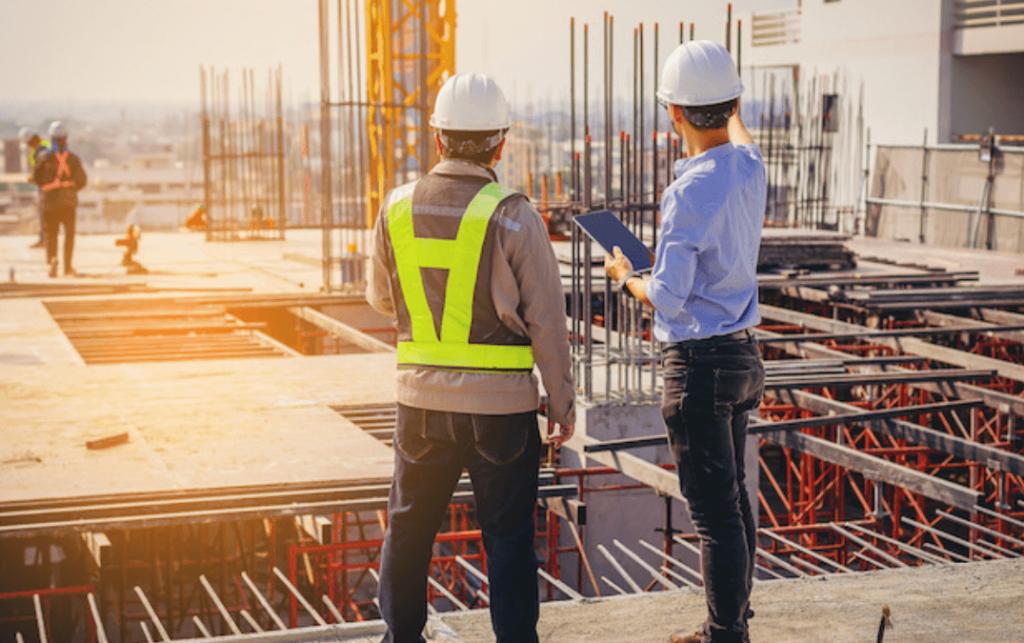
Construction sites are known for their inherent risks, with workers facing various hazards daily. While construction is a crucial industry that helps shape the infrastructure of cities and towns, it is also a field that requires a high level of attention to safety protocols. Ensuring safety on construction sites involves implementing preventive measures that minimize accidents and injuries, or even fatalities. With proper planning and risk assessment, construction sites can become much safer environments for workers. This blog explores accident prevention methods, focusing on best practices and safety regulations.
Importance of Proper Safety Training
One of the most critical factors in preventing accidents on construction sites is ensuring that workers are adequately trained. Safety training provides employees with the knowledge they need to recognize hazards and follow safety procedures. This includes basic skills such as proper equipment handling and emergency response strategies. Regular safety meetings and training sessions ensure that all workers are up to date with current best practices and safety regulations.
Moreover, ongoing training plays a vital role in creating a culture of safety within the workplace. Workers who are educated about potential risks and the proper precautions to take are more likely to follow safe practices and encourage their peers to do the same. Safety training can also include specialized courses that focus on specific risks, such as using heavy machinery or handling hazardous materials. By providing this training, construction companies help workers feel confident and informed, which is essential for reducing accidents.
Implementing Effective Safety Regulations
Another fundamental aspect of construction site safety is the implementation and adherence to strict safety regulations. These regulations are designed to ensure that every aspect of the job, from equipment operation to working conditions, aligns with the highest safety standards. In Canada, the Occupational Health and Safety (OHS) regulations are critical in setting the framework for these safety guidelines. Employers are legally obligated to follow these regulations and provide a safe working environment for their employees.
Safety regulations cover various areas, including fall protection, scaffolding, excavation, and handling of toxic substances. For example, fall protection is one of the leading safety concerns on construction sites, and regulations typically require workers to use safety harnesses or nets when working at heights above a certain level. Additionally, construction companies must ensure that scaffolding is properly erected and that workers are trained to use it safely. Compliance with safety regulations not only protects workers but also helps prevent costly accidents and legal issues for the employer.
Daily Site Inspections and Risk Assessments
Regular inspections and risk assessments are essential components of accident prevention on construction sites. Before starting any task, it’s important for site supervisors to assess potential hazards and address them proactively. This includes inspecting equipment and reviewing the safety status of various work areas. By identifying hazards before they cause harm, supervisors can take appropriate corrective actions to prevent accidents.
Daily site inspections should also include a review of the site’s cleanliness and organization. A cluttered worksite with debris or unsecured materials can lead to accidents. Ensuring that the work area is tidy and free from unnecessary obstacles reduces the likelihood of accidents occurring. Additionally, regular checks for wear and tear on tools and machinery can prevent malfunctions that might lead to injuries. These proactive measures play a crucial role in promoting a safe and efficient work environment.
Utility Location Using Ground Penetrating Radar (GPR)
Utility location is a critical safety consideration on construction sites. Digging or drilling into the ground can potentially cause severe accidents if underground utilities, such as electrical cables or water pipes, are not properly identified. A utility strike can lead to devastating consequences, including explosions and fires. Therefore, it is essential to locate and map these utilities before any excavation or digging begins.
Ground Penetrating Radar (GPR) technology is an innovative solution that significantly enhances safety in this area. GPR uses electromagnetic waves to detect and map subsurface structures without the need for intrusive digging. By sending high-frequency radio waves into the ground, GPR can detect objects and voids, allowing construction workers to identify the precise locations of underground utilities. This real-time data provides construction teams with the information they need to avoid hitting utilities during excavation.
Using GPR technology not only prevents costly utility strikes but also promotes worker safety. Knowing the precise location of underground utilities allows workers to plan their excavation activities more carefully, avoiding accidents and ensuring that construction processes proceed smoothly. GPR has proven to be a valuable tool on construction sites, helping teams detect utilities before digging begins, thus preventing accidents and ensuring compliance with safety regulations, ultimately reducing project delays.
Regular Maintenance of Equipment
Construction machinery and equipment are vital to the completion of any project, but they can also pose significant risks when not properly maintained. Malfunctioning equipment can cause accidents that lead to injuries or even fatalities. Ensuring that all machinery is regularly maintained and inspected is essential for promoting safety on construction sites.
Construction companies should establish a routine maintenance schedule for all equipment, including heavy machinery. This includes checking for issues such as hydraulic leaks or faulty brakes. Equipment operators should also receive proper training on how to use machinery safely, including the correct operating procedures and emergency protocols. Keeping equipment in good working condition reduces the likelihood of accidents and ensures that workers can perform their jobs effectively and safely.
Personal Protective Equipment (PPE)
Personal protective equipment (PPE) is one of the most critical elements of construction site safety. PPE includes gear such as hard hats, safety goggles, high-visibility vests, gloves, hearing protection, and steel-toed boots, which are essential for protecting workers from potential injuries. Employers are responsible for providing the necessary PPE and ensuring that workers are using it correctly.
In addition to standard PPE, certain high-risk tasks may require specialized protective equipment. For example, when working with hazardous chemicals or in areas with poor air quality, workers may need to wear respirators or other respiratory protection. Ensuring that all workers have access to appropriate PPE for their specific tasks is vital for minimizing the risk of accidents and injuries on construction sites.
Building a Safer Construction Site for Everyone
Promoting safety on construction sites is a multifaceted effort that requires training and adherence to regulations. By investing in worker safety through training and risk assessments, construction companies can significantly reduce the likelihood of accidents. Regular equipment maintenance and daily site inspections also play vital roles in maintaining a safe environment. Ultimately, creating a culture of safety on construction sites ensures that workers can perform their tasks efficiently and without unnecessary risk to their well-being. Promoting safety is not just a regulatory requirement; it is a moral obligation to protect the people who contribute to building the infrastructure we rely on.

