
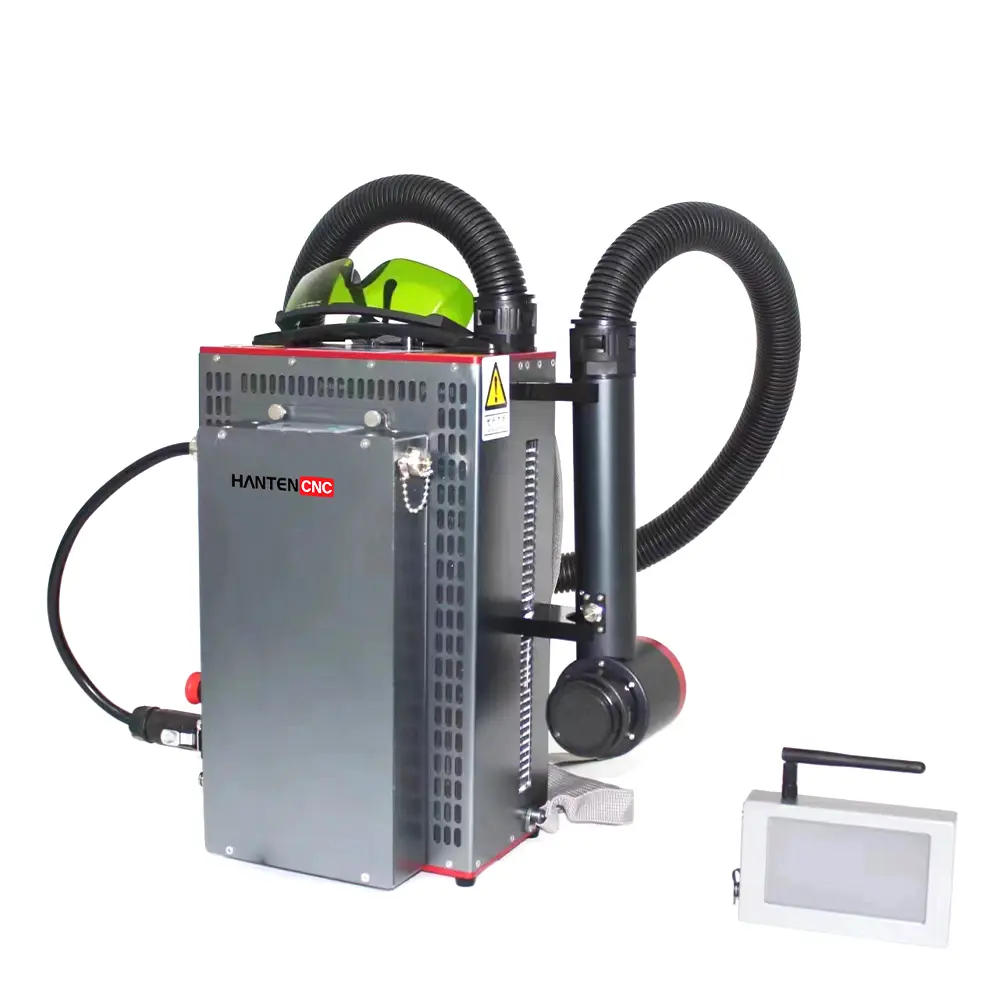
If you have spent any time in a workshop or a manufacturing plant, you know how much of a headache traditional cleaning can be. Sandblasting creates a huge amount of dust that gets into every corner of the room. Chemical stripping is worse because the fumes are dangerous and the disposal fees are expensive. Laser cleaning has changed this landscape entirely. It is a dry, non-contact method that uses light to vaporize rust and paint. But buying one of these machines is not as simple as picking a drill from a hardware store. These are high-ticket items that require a deep understanding of your specific needs before you sign the check.
Pulse vs. Continuous Wave
The first thing you will encounter is the choice between pulse lasers and continuous wave (CW) lasers. It is where most people make their first mistake. A pulsed laser fires short bursts of energy at a high frequency. It is incredibly precise and keeps the heat away from the base metal. If you are working on a classic car or a delicate mold, you need a pulsed laser. It costs more money, but it prevents the metal from warping.
Continuous wave lasers are different. They emit a constant beam of light. They are much cheaper than pulsed units, and they move through thick rust like a hot knife through butter. But they generate excessive heat. If you try to clean a thin piece of aluminum with a 2000W CW laser, you will likely melt it or cause significant heat deformation. According to market reports from analysts at Grand View Research, the demand for CW lasers like Hantencnc laser cleaning machines is growing in heavy industrial sectors like shipbuilding, where the substrates are thick enough to handle the thermal load.
Wattage Is Not Just a Speed Dial
Many buyers think that more power always means better results. It is a myth. You need to match the wattage to the thickness of the contaminant you are removing. A 50W or 100W laser is perfect for light surface cleaning or oil removal. These smaller units are often portable and can be carried like a suitcase. If you are dealing with thick industrial coatings or heavy corrosion, you are looking at the 1000W to 3000W range.
Keep in mind that higher wattage requires more robust cooling systems. A 2000W machine usually needs a water chiller. It makes the unit weightier and less portable. You should ask yourself if you need to take the machine to work or if the work can come to the machine. Research from industrial engineering journals suggests that using excessive power on light tasks actually decreases the efficiency of the cleaning process because it can lead to plasma shielding, which blocks the laser from reaching the surface.
Considering the ROI and Total Cost of Ownership
The sticker price of a laser cleaner can be shocking. You might see a high-end European or American model listed for $80,000 while a budget version online goes for $10,000. Do not let the initial price be your only guide. You have to look at the return on investment. Laser cleaning has almost no consumable costs. You do not buy sand, grit, or chemicals. You only pay for electricity and the occasional replacement of a protective lens.
A study on industrial maintenance costs showed that laser cleaning can reduce operating expenses by up to 80% compared to chemical cleaning over a five-year period. You should calculate how many hours your crew spends on prep work and cleanup. Usually, a laser pays for itself within eighteen months if it is used daily. Also, check the warranty and the availability of spare parts. If a laser source fails and the manufacturer is halfway across the world with no local support, your machine becomes a very expensive paperweight.
Safety and Compliance Requirements
You cannot just point a Class 4 laser at a wall and start blasting without consequences. These machines are dangerous. The beam can reflect off a shiny surface and cause permanent blindness to anyone in the room. When you buy a machine, you must ensure it comes with the proper safety interlocks. You also need to invest in high-quality laser safety goggles that are rated for the specific wavelength of your machine.
Different countries have different regulations. In the United States, the FDA and OSHA have strict rules about laser safety. You need to make sure the machine has an emergency stop button and a key switch. If you are running a professional shop, you will likely need to designate a Laser Safety Officer. It sounds like a lot of bureaucracy, but it is necessary to prevent life-altering accidents.
Buying a laser cleaner is a big step for any business. Take your time, ask for a demo, and do not rush into a purchase just because the price looks good.

