
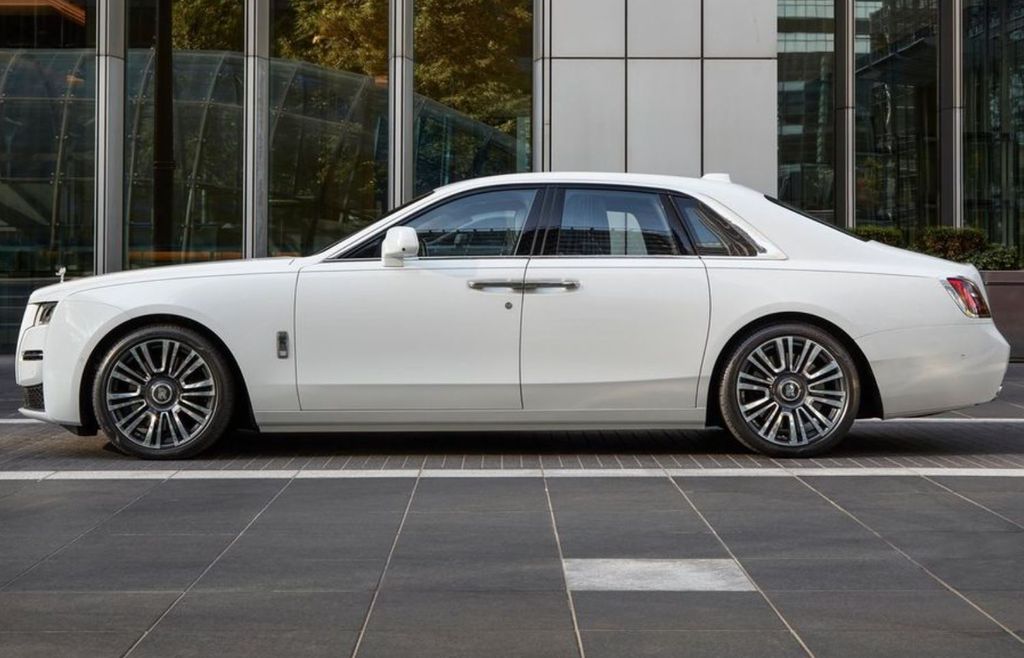
When it comes to experiencing the pinnacle of craftsmanship and innovation, a Rolls-Royce lease offers more than just access to an elegant automobile—it represents entry into a world where engineering meets art.
Behind every gleaming finish and whisper-quiet engine lies decades of engineering mastery, reimagined for drivers who value both prestige and performance.
The Modern Appeal of Leasing Over Ownership
Leasing a luxury vehicle has evolved from being a niche financial option to a mainstream choice for discerning enthusiasts.
Rather than tying up capital in a depreciating asset, leasing allows access to the latest models and cutting-edge technology without long-term commitment.
This shift mirrors the evolution of modern engineering itself—adaptable, efficient, and future-ready.
A Rolls Royce lease captures that essence perfectly.
The appeal is simple: enjoy the best without ownership constraints.
For many, the experience of gliding down a coastal highway in such refinement isn’t just about transportation—it’s about feeling connected to the artistry behind the machine.
Craftsmanship Meets Technology
Luxury car leasing is as much about engineering as it is about emotion.
When I first slid behind the wheel of a handcrafted luxury sedan, I realized something that numbers alone couldn’t convey—the tactile perfection of leather, the seamless silence of a perfectly balanced V12, and the way the suspension seemed to anticipate every imperfection in the road.
That drive redefined what mechanical harmony truly meant.
Every element in such vehicles is designed for balance.
From lightweight aluminum frames to intelligent drivetrains that sense driver intent, leasing one gives you front-row access to innovations that influence the entire automotive industry.
These technologies often debut in ultra-luxury cars before filtering down to mainstream vehicles years later.
Why Engineers Love the Lease Model
Automotive engineers often speak about feedback loops—the process of refining performance based on real-world experience.
Leasing serves a similar purpose for drivers.
It offers a constant cycle of innovation, allowing individuals to upgrade frequently and experience the evolution of automotive technology firsthand.
When I spoke with a friend who manages high-performance test drives, he mentioned how leasing data actually influences manufacturer decisions.
Patterns in user preferences, mileage trends, and feature adoption help shape future designs.
In other words, the lease model doesn’t just benefit drivers—it helps engineers build better cars.
The Emotional Side of Driving Innovation
Few things compare to the sensation of pressing the accelerator on a handcrafted luxury car.
The weightless surge of torque, the subtle hum of a powertrain tuned for silence—it’s an orchestration that blends precision engineering with human passion.
Leasing brings that sensation within reach of enthusiasts who appreciate innovation without permanent commitment.
Think of it like art curation.
Some collectors prefer to rotate pieces to experience different creative eras.
Similarly, leasing allows drivers to rotate experiences—moving from a track-tuned Italian coupe one year to a serene British masterpiece the next.
Each drive becomes a chapter in a larger story of engineering progress.
Sustainability and the Future of Leasing
Luxury manufacturers are quietly leading sustainability initiatives, and leasing plays a major role in that evolution.
Modern production emphasizes recyclable materials, modular powertrains, and hybrid innovations.
Because leased vehicles often return after a few years, they’re perfectly positioned for refurbishment, upgrades, and second-life use in global markets.
When I toured an advanced assembly plant a few years ago, I noticed how sustainability wasn’t just a marketing angle—it was built into every process.
Reused aluminum shavings, recycled composite panels, and precision waste tracking all contributed to efficiency.
Those same values now extend to the leasing lifecycle, ensuring that each vehicle’s legacy lasts beyond its first driver.
The Economics Behind Exclusivity
While the allure of driving a top-tier vehicle is undeniable, the financial logic behind leasing is equally compelling.
Rather than absorbing full depreciation, lessees pay only for the term they actually use.
That translates into significantly lower costs while still enjoying full access to luxury performance.
I remember a client who used to trade sports cars every two years.
When he switched to leasing, he found not only flexibility but also predictability—fixed monthly costs, no resale hassles, and constant access to the latest model lineup.
For him, it wasn’t just a financial decision; it was an upgrade in peace of mind.
Engineering Beyond the Drive
Beyond aesthetics and comfort, leasing opens doors to understanding the evolution of mobility itself.
As electric powertrains, AI-assisted driving, and digital interfaces advance, luxury leases often serve as testing grounds for future tech adoption.
Drivers indirectly contribute to the feedback loop that helps refine next-generation systems.
When autonomous parking first appeared in high-end sedans, it felt like a novelty.
Now, it’s practically standard across brands.
That progression was fueled by real-world data gathered from drivers—many of whom leased those early systems.
It’s a fascinating example of how human experience shapes mechanical intelligence.
From Performance to Personalization
Modern luxury engineering goes far beyond horsepower.
It’s about personalization—crafting a driving environment that mirrors one’s personality.
Leasing amplifies that flexibility, allowing individuals to choose interiors, trims, and technologies that evolve with their lifestyles.
One executive I met described his leased luxury car as his “mobile workspace.”
He had custom lighting calibrated to his circadian rhythm, massage seats that eased tension during long calls, and a sound system tuned like a private studio.
His experience proved how leasing isn’t just about the machine—it’s about the experience engineered around it.
The Broader Impact on Automotive Design
The rise of luxury leasing has influenced how automakers approach design itself.
Engineers now prioritize modular platforms, adaptable interiors, and subscription-based services because they know modern drivers seek flexibility.
Leasing has effectively shifted design philosophy from permanence to adaptability.
In this sense, the lease model has become a hidden catalyst for innovation.
It encourages engineers to think not only about the first driver but also about the second, third, and fourth who will experience the vehicle in its lifecycle.
That mindset fosters durability, repairability, and efficiency—all pillars of modern engineering excellence.
A Driving Experience That Redefines Ownership
Ultimately, leasing a luxury car isn’t about what you own—it’s about what you experience.
It’s an opportunity to immerse yourself in decades of engineering brilliance, to appreciate the subtle harmony between technology and craftsmanship, and to do it all with freedom.
Whether you’re gliding through city streets or taking an evening drive along a coastline, it’s a reminder that mobility can still feel magical.
A Rolls-Royce lease isn’t just a transaction.
It’s a journey through time, technology, and taste.
Each drive becomes a conversation between the driver and the engineers who made perfection possible—and that’s an experience worth reliving again and again.

