
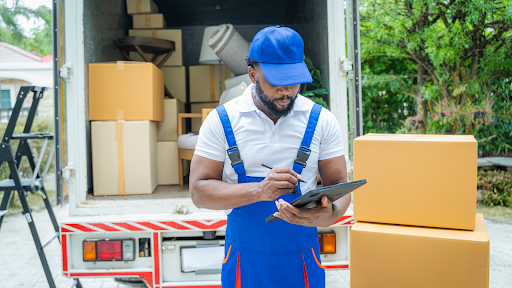
Getting your package delivered shouldn’t feel like rolling the dice, yet that’s exactly what happens for millions of customers daily. Whether you’re waiting for an important business document or that birthday gift you ordered last minute, delivery companies face mounting challenges that directly impact your experience. Nearly two-thirds of last-mile delivery complaints involve shipping delays, missing items, or damaged packages.
These aren’t just minor inconveniences; they’re systemic issues that reveal deeper problems within the delivery industry. From rising costs to technological gaps, delivery companies struggle with challenges that affect everyone from individual consumers to large businesses relying on smooth logistics operations.
The Rising Tide of Delivery Challenges
Modern delivery companies face an increasingly complex web of operational hurdles that seem to multiply faster than solutions can be implemented. The surge in online shopping has created unprecedented pressure on delivery networks, while customer expectations continue to climb higher.
This shift toward digital services highlights how some industries are adapting to avoid common shipping pitfalls entirely. eSIM technology eliminates the need for physical delivery, reducing the risk of lost packages and delivery delays that plague traditional telecommunications services.
In countries with large territories and diverse climates, delivery services often struggle with delays and higher costs, as extreme conditions can complicate reliable service.
When travelers need connectivity solutions, using a prepaid esim USA offers digital alternatives that don’t rely on physical shipping, providing instant activation without the typical delivery problems associated with traditional SIM cards.
Cost Pressures and Financial Strain
Issues with delivery companies often stem from mounting financial pressures that force difficult operational decisions. Rising fuel costs, increased labor expenses, and infrastructure maintenance create a perfect storm of escalating expenses.
Many delivery companies find themselves caught between competitive pricing pressures and the reality of operational costs. They can’t simply pass all expenses to customers without losing market share, yet absorbing these costs threatens their profitability. This financial squeeze often leads to service cuts, reduced delivery windows, or compromised service quality.
Technology Integration Difficulties
The digital transformation of logistics hasn’t been smooth for many delivery companies. Legacy systems struggle to integrate with modern tracking technologies, creating gaps in service visibility and customer communication.
Companies that fail to modernize their technology infrastructure often experience higher error rates and customer complaints. The lack of real-time tracking capabilities leaves customers frustrated and uninformed about their package status, contributing to delivery service complaints.
Workforce Challenges and Training Issues
Staffing remains one of the most persistent challenges facing delivery companies. High turnover rates, seasonal demand fluctuations, and the need for specialized training create ongoing operational difficulties.
Many delivery companies struggle to maintain consistent service quality when dealing with rapid staff changes. New employees require time to learn routes, understand package handling procedures, and develop the customer service skills necessary for positive interactions.
Infrastructure and Operational Bottlenecks
The backbone of any delivery operation relies heavily on infrastructure that’s often outdated or inadequate for current demands. These limitations create cascading effects throughout the entire delivery network.
Sorting Facility Limitations
Many delivery companies operate with sorting facilities that weren’t designed for current package volumes. These bottlenecks create delays that ripple through the entire delivery network, causing package delivery challenges that affect thousands of customers daily.
Outdated sorting equipment can’t handle the variety of package sizes and shapes that modern e-commerce generates. When facilities become overwhelmed, packages may be delayed, misdirected, or damaged during processing.
Route Optimization Struggles
Traditional route planning methods often fail to account for real-time conditions like traffic congestion, weather delays, or last-minute delivery changes. This leads to inefficient routes that waste time and resources while disappointing customers.
Companies using outdated routing systems may make multiple attempts to deliver packages, increasing costs and frustration. The lack of dynamic route adjustment capabilities means drivers often spend more time navigating problems than actually delivering packages.
Last-Mile Delivery Complications
The final stretch of delivery, getting packages from local facilities to customers’ doors, presents unique challenges. Urban congestion, apartment building access restrictions, and timing constraints make this the most expensive and problematic part of the delivery process.
Many delivery companies struggle with the economics of last-mile delivery, especially in rural or hard-to-reach areas. The cost per package increases dramatically for these deliveries, yet customers expect the same service levels regardless of location.
Customer Service and Communication Breakdowns
Poor communication stands as one of the most common sources of customer frustration with delivery companies. When packages don’t arrive as expected, customers want answers, not automated responses or endless hold times.
Inadequate Tracking Systems
Many delivery companies still rely on basic tracking systems that provide limited information about package location and status. Customers receive vague updates like “in transit” or “out for delivery” without specific timeframes or locations.
This lack of transparency creates anxiety and uncertainty for customers who need to plan their schedules around deliveries. When tracking information is inaccurate or outdated, trust in the delivery company erodes quickly.
Unresponsive Customer Support
Problems with shipping services often escalate when customer service representatives can’t provide meaningful assistance. Long wait times, scripted responses, and a lack of resolution authority frustrate customers who need immediate help.
Many delivery companies have reduced their customer service capabilities to cut costs, but this often backfires by creating more problems than it solves. Customers who can’t get help through normal channels may turn to social media complaints or negative reviews.
Delivery Attempt Failures
Failed delivery attempts waste time and resources for both companies and customers. When drivers don’t follow proper procedures for attempting deliveries, packages may be returned unnecessarily or left in inappropriate locations.
Some delivery companies have policies that don’t align with customer needs, such as requiring signatures during business hours when most recipients are at work. These inflexible policies create unnecessary complications and delays.
Weather and Environmental Factors
Environmental challenges pose significant threats to delivery operations, with weather-related delays becoming increasingly common and severe. These factors are largely beyond delivery companies’ control but significantly impact service reliability.
Seasonal Weather Disruptions
Winter storms, flooding, and extreme temperatures can shut down delivery operations entirely or create dangerous conditions for drivers. Companies often struggle to communicate these delays effectively to customers who may not understand the severity of conditions in other regions.
Hurricane seasons, snowstorms, and other severe weather events can affect delivery schedules for days or weeks. Recovery from these disruptions often takes longer than the actual weather event, as companies work to process backlogged packages.
Climate Change Impacts
Increasingly unpredictable weather patterns make it harder for delivery companies to plan and prepare for disruptions. Traditional seasonal patterns no longer provide reliable guidance for operational planning.
The frequency and intensity of extreme weather events continue to grow, creating new challenges for delivery companies that must balance safety with service commitments. These environmental factors contribute to the overall unpredictability of delivery services.
Technology and Security Concerns
Modern delivery operations depend heavily on technology, but this digital dependency creates new vulnerabilities and challenges that many companies struggle to address effectively.
Package Theft and Security Issues
The rise of package theft has created significant security challenges for delivery companies. Customers hold delivery companies partially responsible when packages are stolen after delivery, even when proper procedures were followed.
Many delivery companies have implemented photo confirmation and secure delivery options, but these solutions aren’t foolproof. The cost of replacing stolen packages and handling related customer service issues adds up quickly.
Data Privacy and Protection
Delivery companies handle vast amounts of personal information, including addresses, delivery preferences, and purchase details. Protecting this data while maintaining operational efficiency presents ongoing challenges.
Data breaches in the delivery industry can expose customer information and create liability issues for companies. The cost of implementing and maintaining robust cybersecurity measures adds to operational expenses.
| Problem Type | Customer Impact | Company Cost | Frequency |
| Delayed Deliveries | High frustration, lost trust | Increased customer service costs | Very High |
| Damaged Packages | Product replacement needed | Refund/replacement costs | Medium |
| Lost Packages | Complete service failure | Full refund plus investigation | Medium |
| Poor Tracking | Anxiety and uncertainty | Increased support calls | High |
| Failed Delivery Attempts | Schedule disruption | Redelivery costs | High |
Moving Forward With Delivery Solutions
The challenges facing delivery companies aren’t going away anytime soon, but understanding these problems helps everyone involved make better decisions. Customers can adjust their expectations and take protective measures, while companies can focus on addressing the most critical issues affecting their operations.
Perhaps the most important realization is that delivery problems affect everyone differently. What works in one region may fail in another, and solutions must be tailored to local conditions and customer needs. The delivery industry will continue evolving, but success depends on companies that can adapt quickly to changing circumstances while maintaining reliable service standards.
Common Questions About Delivery Company Problems
-
Can you sue delivery companies?
Yes, you can sue a food delivery company like DoorDash or Uber Eats. But whether suing them is worthwhile depends on your particular circumstances. You may have other options. Third-party food delivery services are more popular than ever.
-
What are the problems associated with shipments?
There are several shipping problems that affect major carriers, including too few employees, rising costs, governmental regulations, and inclement weather. A lack of employees is the primary obstacle to successful shipping companies, as you need a certain amount of staff to deliver hundreds of packages each day.
-
How can customers protect themselves from delivery issues?
Customers can use package tracking services, require signature confirmation for valuable items, consider delivery to secure locations, and maintain open communication with delivery companies about any concerns or special requirements.

