
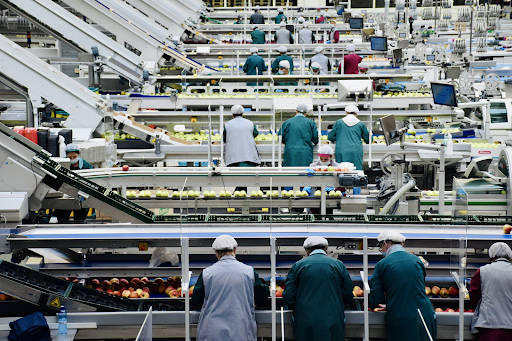
Apart from the typical food directly from plants, we eat so many other types that have been processed to provide variety and improve food security. This shows the importance of food processing to the world today.
However, despite the simplistic look of food processing helping to change food and other materials to more food, there’s more to it. The processing happens in different forms from simple changes to more complex transformation involving multiple materials and stages.
Understanding the different levels or types of processing helps you whether you’re starting a food processing plant or simply curious about the meals you eat.
The process generally starts from raw agricultural products as the input to large-scale ready to eat processed food as output across multiple procedures.
In this guide, you’ll learn about the different processing types, their methods, final products, and even the type plants they run. The idea is to provide a wholesome concept about food processing so you can make the right decision on the type of processing plant to start. But first, let’s understand what food processing is all about.
What is Food Processing?
Food processing is when materials are converted through a series of procedures into other foods. This process turns raw ingredients into finished edible products, providing variety and unique nutrients.
However, the transformation does not just end providing a unique food but also includes other additional activities like cleaning, grinding, preserving, and packaging. All of which combines to make the food processing system.
Major Types of Food Processing
While there may be other types of food processing, three stand out and are quite popular used to make a variety of foods. In this section, you’ll learn all about these three major food processing systems and how they work while also mentioning the type of machinery they use.
1. Primary Food Processing
Picture trucks rolling up with fresh tomatoes or golden wheat straight from the farm. That’s where primary food processing starts. It’s the first simple step.
Raw ingredients get cleaned up and prepped, grinded, threshing, and shelling nuts, but nothing too complicated that changes their core nature.
A few key methods keep things moving. Washing blasts dirt off veggies with high-pressure sprays. Drying spreads wet grains on trays or through warm air tunnels. Sorting picks the best apples while machines grade them by size. Milling turns wheat into fluffy flour. For meat or milk, quick slaughter or gentle pasteurizing kills germs without altering taste.
When it comes to the plant design that ties most of these processes together, Now, the plant design ties right into this flow. You need big intake areas so trucks unload fast without jams. Segregated zones stop carrot bits from mixing with milk lines.
There’s more, with more additions like slip-proof floors handling spills. Strong vents clear dust and steam while easy-hose walls to speed cleanup.a primary food processing plant may also need water recycling loops to rinse water back in, cutting waste.
2. Secondary Food Processing
To put simply, secondary food processing takes the ingredients made from primary food processing as input and transforms it into another food. It is that stage where the basics like mixing, cooking, and preserving happen to make a recognizable food on our plates.
Secondary food processing is nothing too wild yet just smart steps that boost flavor, texture, and shelf life while keeping safety. Processes like baking a fresh loaf of bread or canning a sauce for the winter are the common processes tagged secondary.
This processing type is where a lot more methods start to feature. Get ready to explore interesting processes like fermenting, baking, canning, and extruding when doing secondary food processing.
Plant design also starts to get more complicated and vital here. Picture linear production lines that flow from mixers straight to ovens.
Your plant will typically have heating and cooling zones for various reasons and space for big ovens, blending vats, and canning stations. However the plant design doesn’t stop there with fire-safe setups guarding those hot spots and ventilation pulls steam away.
3.Tertiary Food Processing
Tertiary food processing is the most complicated stage with even more machinery to keep it going. Here processed food is made in commercial quantities and undergoes multiple processes to get to the ready-to-eat level you see.
This means a more comprehensive plant design is vital at this stage to handle the many processes involved. The food or materials obtained from secondary processing are the inputs used in tertiary processing to produce food like frozen pizzas and snack bars.
A processing plant doing tertiary food processing will need to incorporate many features to ensure the multiple procedures work efficiently.
From complex line weave assembly to packaging and cold zones linking to freezers, these designs aid in different processes for tertiary food manufacturing.
Sometimes it gets even more complex, especially as food is produced in commercial quantities here. Room robots, fillers, and sealers are vital to improve speed and production. The plant also needs RFID to track every item and sanitation bays to ensure proper hygiene.
Final Thoughts
Making different processed food from pizza to spaghetti requires varying degrees of processing to go from the initial raw material or food to the final food that you have on your table.
Primary, secondary and tertiary food processing are the three major types of food processing. Offering various levels of processing with primary food processing using food from plants and animals as the raw materials.
The products from primary food processing are used as inputs for secondary food processing under more processes like baking and pasteurizing.
With the level of process involved rising as it gets to tertiary food processing where the food and materials from secondary processes undergo further transformation to form another food.
Food processing p;lants may deal with one or even all three of the different procedures. However, they need to get the right machinery and design in place for any of these to be achievable.
Food processing building construction is a big deal and is one of the major factors that determines the success of the company.
Which is why the top food processing companies outsource the design and construction of their plants to brands like DeJong Consulting who have the expertise, experience, and track record of delivering quality food processing plants.

