
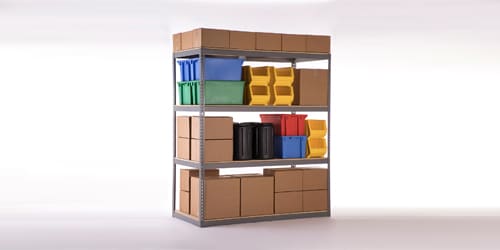
Introduction: The Evolution of Shelving Systems
The landscape of storage has undergone a remarkable transformation over the past few decades. Modern shelving systems and rack shelving systems are no longer just functional—they are engineered solutions designed to optimize space, streamline operations, and enhance durability. As businesses grow and storage demands increase, traditional shelving often falls short. Upgrading to contemporary systems ensures efficiency, adaptability, and long-term value.
Enhanced Storage Capacity
Modern shelving systems are engineered to maximize storage capacity within the same footprint. Adjustable racks, mezzanine shelving, and high-density configurations allow organizations to stack vertically, making the most of often underutilized warehouse ceilings. With optimized weight distribution, these systems can accommodate heavier loads without compromising structural integrity.
Improved Organizational Efficiency
Rack shelving systems facilitate logical item placement, simplifying access and retrieval. Products are categorized clearly, reducing time spent searching for materials. With a streamlined system, workflow becomes smoother, employees spend less time navigating cluttered spaces, and productivity gains become measurable.
Durability and Longevity of Modern Shelving
Unlike conventional wooden or particleboard shelves, modern shelving systems utilize high-grade steel, reinforced alloys, and protective coatings. These materials resist bending, warping, and corrosion, ensuring a long service life. Investing in durable shelving reduces replacement frequency, minimizing disruptions to operations.
Flexibility and Modular Design
Modular shelving components offer unmatched flexibility. Shelves can be reconfigured to accommodate changing inventory sizes, seasonal stock fluctuations, or evolving operational needs. This adaptability ensures that the storage system remains relevant, regardless of business growth or changing demands.
Optimized Space Utilization
Modern shelving maximizes every square foot of available storage. Cantilever racks, mobile shelving, and pull-out wire racks utilize both vertical and horizontal space efficiently. By integrating these systems, warehouses and commercial spaces can expand capacity without the need for costly facility expansion.
Safety Enhancements and Compliance
Contemporary rack shelving systems often incorporate safety features such as anti-tip brackets, load limit indicators, and reinforced frameworks. These elements minimize accidents and ensure compliance with safety regulations, providing peace of mind for employees and management alike.
Streamlined Inventory Management
Modern shelving systems enhance inventory control by improving visibility and access. Clear labeling, open-grid designs, and adjustable dividers allow for systematic stock rotation, reducing errors and facilitating faster audits. Integration with inventory management software can further automate tracking and reporting.
Cost Savings and Return on Investment
Though the upfront cost may be higher, modern shelving systems yield significant savings over time. Reduced labor costs, minimized inventory loss, and lower maintenance expenses contribute to a compelling return on investment. Businesses also save by preventing overstocking and optimizing existing space instead of investing in larger facilities.
Reduced Maintenance Requirements
High-quality shelving materials and finishes significantly reduce the need for ongoing maintenance. Powder-coated surfaces, galvanized steel, and corrosion-resistant alloys require minimal upkeep. This not only lowers operational costs but also reduces downtime for cleaning and repairs.
Eco-Friendly and Sustainable Materials
Many modern shelving systems are manufactured using sustainable materials or recycled metals. The durability of these products also extends their lifecycle, reducing waste. By choosing environmentally responsible shelving, businesses can align their storage solutions with broader sustainability goals.
Technological Integration and Smart Storage
Modern shelving systems can integrate with technology to create intelligent storage solutions. RFID tags, automated retrieval systems, and IoT-enabled sensors facilitate real-time inventory tracking, predictive restocking, and optimized warehouse flow. These smart features streamline operations and enhance decision-making capabilities.
Customization Options for Industry-Specific Needs
Modern shelving can be tailored for specific industries, from food storage to automotive parts to retail displays. Custom configurations accommodate weight specifications, item dimensions, and environmental conditions such as temperature and humidity. This bespoke approach ensures operational efficiency and product safety.
Conclusion: Transforming Storage with Modern Shelving
Upgrading to modern shelving systems and rack shelving systems represents a strategic investment in efficiency, safety, and long-term operational success. These systems provide increased storage capacity, durability, flexibility, and technological integration, all while reducing maintenance and enhancing organizational workflow. For businesses seeking to optimize space and performance, modern shelving is an indispensable solution.

