
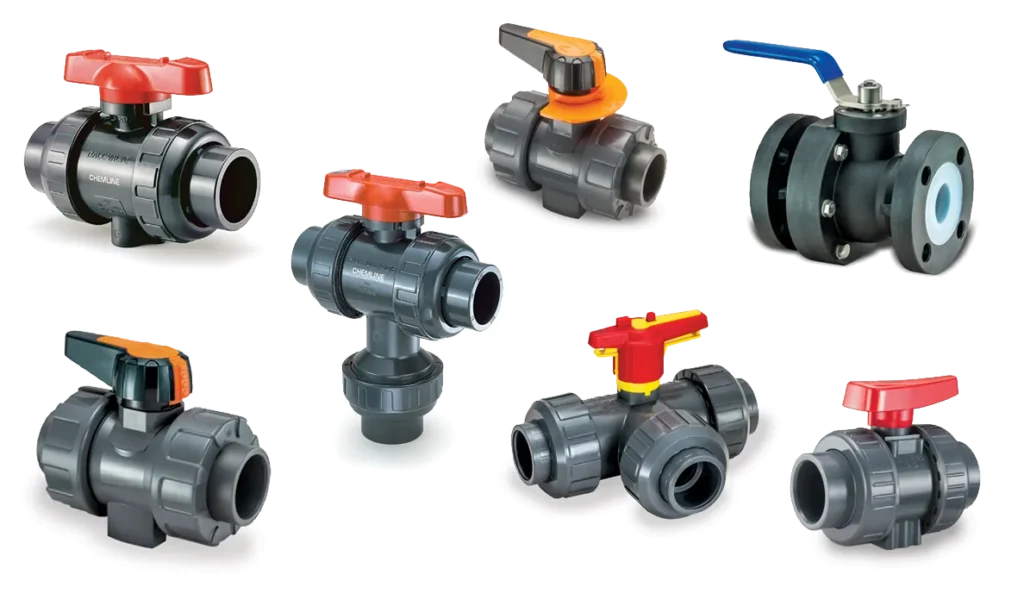
Most fluid handling systems have industrial ball valves that are essential elements of the system where their use is necessary to make sure that there is accurate flow and pressure. Maintenance practices are of paramount importance to their performance and longevity. Regular lubrication is some of these practices that are critical in ensuring a smooth running and eliminating early wear and tear. Learning about the significance of lubrication and the regularity of maintenance can be sure to increase the efficiency and reliability of the systems.
Impact of Friction on Ball Valve Performance
Any friction of the internal parts of a ball valve may lead to serious working problems in case of inactivity. This may create the need to require more torque (and thus make the valve more difficult to move) over time, and may cause failure of the manual or automated actuations systems. The friction may also cause asymmetrical wear of the valve seats and seals and weaken the valve in its duty to ensure that there is a tight closing.
Lubrication is a protective coating, which minimizes friction among moving surfaces. Lubrication reduces direct contact of metals and thus, the valve acts smoothly even when subjected to a high-pressure or a high temperature environment. In other systems that often switch on and off like in chemical processing plants or water treatment, lubrication is used to stabilize the performance and eliminate unexpected failures that can cost the system some downtime.
Prevention of Corrosion and Material Degradation
Industrial ball valves also tend to be subjected to harsh chemical substance, moisture and fluctuating temperatures all of which can hasten corrosion as well as degradation of materials. Not only the valve body is corroded, but the internal ball and seats are also damaged, which harms the performance and the safety. Frequent lube ensures that there is a coating against corrosive elements that preserve the integrity of the important elements with time.
Some of the valves such as PVC Ball Valves are very vulnerable to chemical degradation unless well maintained. Lubrication gives even the materials of plastics and composite materials their sealing capacity and strength. The use of compatible lubricants regularly can increase the service life of these valves, which is why they do not have to change in a short period of time and cause an operational disruption.
Enhancing Operational Efficiency
A ball valve with a high level of lubrication faces less forces to operate and this translates to efficiency in an industrial system. The low actuation resistance of automated systems results in more efficient automated systems that reduce energy usage and reduce the burden on actuators and motors. The efficiency could be of paramount significance especially in large scale operations where any little improvement can lead to a huge saving in costs in the long run.
The valve that is usually commonly employed to be used in conjunction with ball valves in industrial piping networks is a butterfly valve, with the advantage of having a good lubrication. The flow regulation in the system is accurate and the regulation of processes is also possible thanks to the smooth operation of butterfly valves. Lubrication as a regular part of a maintenance plan means that the valve of any kind will be working to its maximum capacity and in harmony with other types of valves that need to be in sync to maintain the overall dependability of the system.
Reduction of Maintenance Costs and Downtime
One of the most common steps that can avert a great number of ball valve problems is regular lubrication that will lessen the possibility of the necessary emergency repairs. Unlubricated valves are also likely to seize, leak and have parts that fail prematurely hence leading to unexpected downtimes and costly repairs. The fact is that, through the maintenance schedule, the facilities may reduce the cost of maintenance, as well as prevent the disunity of the essential operations.
Lubrication also enables the maintenance personnel to identify wear or damage at the early stage. In daily usage, the technicians are able to check on the valve in case of leakages, corrosion, or unusual wear and tear, and deal with minor problems before they occur. This preventive mechanism would not only protect the working efficiency, but also increase the total life of industrial valves.
Conclusion
Regular and adequate lubrication directly determines the performance and the longevity of the industrial ball valves. Some of the advantages of a proactive lubrication strategy are reduction of friction, elimination of corrosion, operational efficiency, reduced maintenance costs amongst others. Lubrication should be part of the regular routine maintenance procedures to ensure that the valves such as PVC Ball Valves and butterfly valves are kept running effectively to aid in safe and efficient running of the industries. With this kind of basic care, facilities can protect their equipment, minimize downtime, and ensure that their systems are running in their optimal state.

