
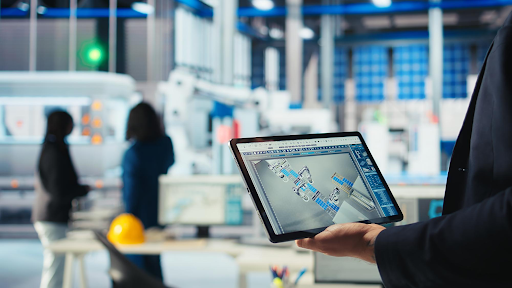
The construction industry is in the midst of a revolution.
Buildings must be smarter. They must be more sustainable. And they must be higher-performing than ever before.
All of this while material costs are at an all-time high and trades professionals are leaving the field at a concerning clip.
Fortunately, where there’s a will, there’s a way.
Keep reading as we explore the future of building and dive deep into the trends shaping modern construction.
Sustainable Design
Sustainability shapes every step of the contemporary building process. From initial planning to ongoing application, the structure will not succeed by today’s standards if it does not limit its carbon footprint.
Energy efficiency. Water conservation. Carbon reduction. They are all metrics that drive decisions for designers and architects.
Eco-friendly materials are a must. Choosing products that have been recycled. Sourcing the most durable options for fewer ongoing repair resources.
Innovative design strategies are also critical. Builders can use passive concepts to leverage as much natural light and ventilation as possible.
Technology also helps. Maximizing automated lights and faucets. Taking advantage of predictive patterns for heating and cooling optimization.
Innovative Insulation
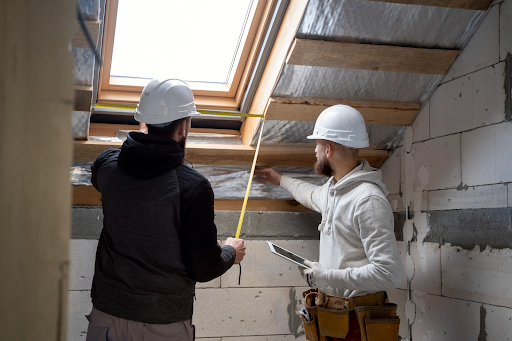
As mentioned, energy efficiency is the name of the game in commercial construction. It reduces utility costs. It aligns the firm with tightening regulations. It appeals to a more conscientious consumer base.
One of the best ways to ensure optimal energy efficiency is via a comprehensive insulation infrastructure. The insulation should increase R-value and eliminate thermal bridging. This promotes a stable interior temperature with less energy required for climate control.
Increasingly, energy efficiency in application is only one piece of the puzzle. Modern thermal insulation materials have a low embodied energy score. This means that they require few energy resources to fabricate, transport, and install. Some of the most innovative options in this regard are hemp, sheep’s wool, and recycled denim.
Prefab Construction
Modular design and prefab construction are revolutionizing the way buildings are assembled. Key components of the chassis are assembled in a controlled factory setting. They are then transported to the site for final construction.
There are numerous advantages to this method:
- Increased precision in the manufacturing process
- Less worker error for reduced construction waste
- Fewer workers needed in the field
- Shortened timelines via limited potential weather delays
For large commercial projects that require speed and precision, prefab processes have many economic benefits. The building can go from “breaking ground” to “generating revenue” in as little as a few months, helping the firm avoid the financial nightmares associated with a facility tied up in ongoing construction.
Advanced Soundproofing
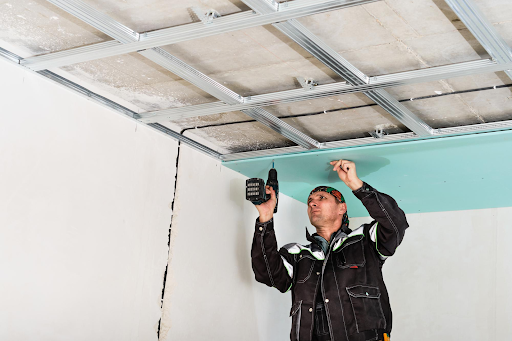
The open interior is going nowhere in commercial design. Its benefits are numerous. A few include:
- Improved air and light flow for reduced electricity consumption
- A brighter, more inviting ambience
- Greater customization options for rearranging space
- Fewer permanent walls to streamline future renovations
- Clearer sight lines to monitor building activity
With that said, the one drawback to the open concept is sound transmission. Fewer barriers to block sound waves means more noise pollution throughout the structure.
Fortunately, there are numerous commercial soundproofing options that can help mitigate these concerns. Acoustic ceiling clouds can absorb sound waves. Decorative wall panels can do the same. This keeps noise local to its origin. Sound attenuators can limit noise from air conditioning and utilities. Demountable partition walls can be used as temporary barriers for customizable privacy.
Automation in Construction

As in all walks of life, automation and technology are transforming the construction site. Automation makes jobs safer. It promotes accuracy. It increases speed.
Drones are used for modern surveying and inspection. They provide real-time data that aids planning and project management.
Robotic bricklayers. Concrete printers. Rebar-tying machines. All of these are technologies used to augment the labor force and improve project efficiency. As previously mentioned, offsite prefab processes are improving accuracy.
With human labor challenges remaining rampant throughout the industry, automation and technology are only set to become more pervasive in contemporary construction.
Adaptive Reuse
The circular construction concept continues to gain traction. It helps alleviate material scarcity concerns. It minimizes the environmental impact of the project. Disassembly. Reusing. Recycling. They are all circular construction strategies for making the most of a structure nearing the end of its lifecycle.
Adaptive reuse is another impactful idea. It involves repurposing old buildings for new uses. It preserves architectural heritage. It also limits the environmental cost associated with demolition and new construction. The adaptive reuse trend is especially prevalent in older urban districts that are looking to revitalize their historical splendor.
The Future Is Now in Commercial Construction
With challenges rising within the industry, modern construction professionals must get creative to meet the mark. From leveraging sustainable design to employing automation, consider any of the points listed above to see how modern construction methods are helping professionals create next-level structures. For more of the latest trends in the commercial construction landscape, explore the resources at Linquip for additional thought leadership and innovative equipment solutions!

