
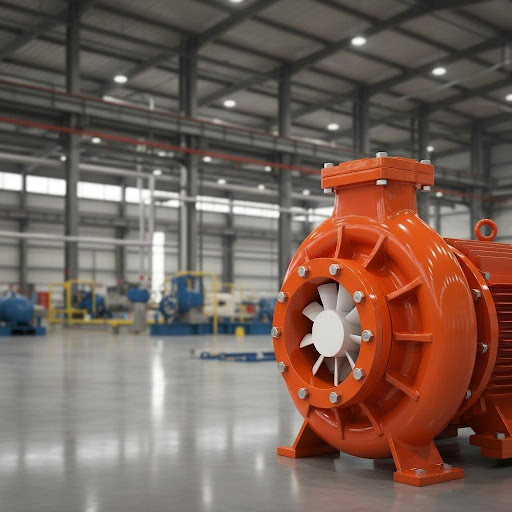
Centrifugal pumps are a critical component in modern industrial operations, designed to move fluids efficiently. While traditional metallic pumps remain common, non metallic centrifugal pumps are gaining popularity due to their specialized advantages. Made from materials like polypropylene, PVDF, and PTFE, these pumps offer corrosion resistance, lightweight design, and tailored performance, making them highly suitable for sectors such as chemical processing, food manufacturing, and wastewater treatment.
Advantages of Non-Metallic Centrifugal Pumps
Non metallic centrifugal pumps provide several benefits for modern industries. Their resistance to corrosion and chemical attack makes them ideal corrosion resistant pumps, capable of safely handling aggressive fluids like acids, alkalis, and solvents. This property is especially valuable in chemical processing pumps, pharmaceutical facilities, and non-metallic pumps for wastewater treatment.
Lightweight construction reduces installation challenges and lowers structural load on equipment. Cost-effectiveness and durability add to their appeal, as maintenance is generally simpler than metallic alternatives. Additionally, these pumps often operate quietly and use less energy, offering industries both environmental and financial benefits.
The eco-conscious design of some models also supports eco-friendly industrial pumps, making them a strategic choice for operations aiming to reduce environmental impact while maintaining high performance.
Common Industrial Applications
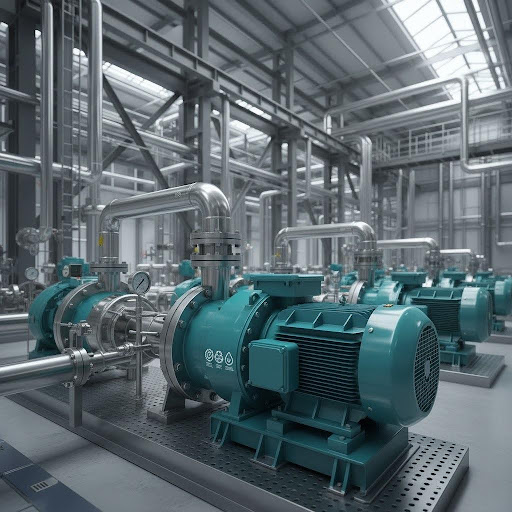
Industrial pump applications for non-metallic centrifugal pumps are diverse. In chemical plants, chemical processing pumps handle corrosive liquids such as acids, alkalis, and solvents safely. In water and wastewater facilities, non-metallic pumps for wastewater treatment ensure reliable operation even with abrasive or chemically aggressive liquids.
The food and beverage sector benefits from hygienic non-metallic pumps for food processing, which provide safe, non-reactive fluid handling while meeting strict hygiene standards. Mining and mineral industries use these pumps for slurry pumping solutions, handling abrasive slurries without rapid wear.
Advanced product lines such as the ECO Series illustrate modern designs in non metallic centrifugal pumps, combining efficiency, durability, and eco-friendly performance for a wide range of industrial pump applications.
Design Considerations and Limitations
Despite their advantages, non metallic centrifugal pumps have some limitations. They usually handle lower temperatures and pressures compared to metallic pumps. Material choice—polypropylene, PVDF, or PTFE—must match the chemical and environmental conditions. Correct selection ensures compatibility and longevity, especially in corrosion resistant pumps applications.
Installation and regular maintenance are essential for optimal performance. Understanding fluid properties, flow rates, and system pressures helps industries prevent issues, extending the life of industrial pump applications in both chemical processing and water treatment.
Future Trends and Innovations
Emerging materials continue to enhance durability and chemical resistance in non metallic centrifugal pumps. Smart technologies, including IoT-based monitoring and predictive maintenance, improve operational reliability.
Environmental and safety regulations are pushing industries toward eco-friendly industrial pumps, further increasing adoption of corrosion resistant pumps. Product lines like the ECO Series exemplify how modern pumps support sustainable operations while providing efficiency and reliability across sectors such as food, chemical, and water treatment industries.
Conclusion,
Non metallic centrifugal pumps play a strategic role in modern industries, offering efficiency, safety, and sustainability. From hygienic non-metallic pumps for food processing to slurry pumping solutions in mining, advanced designs like the ECO Series demonstrate how industrial pump applications can benefit from innovative, durable, and eco-friendly solutions.

