
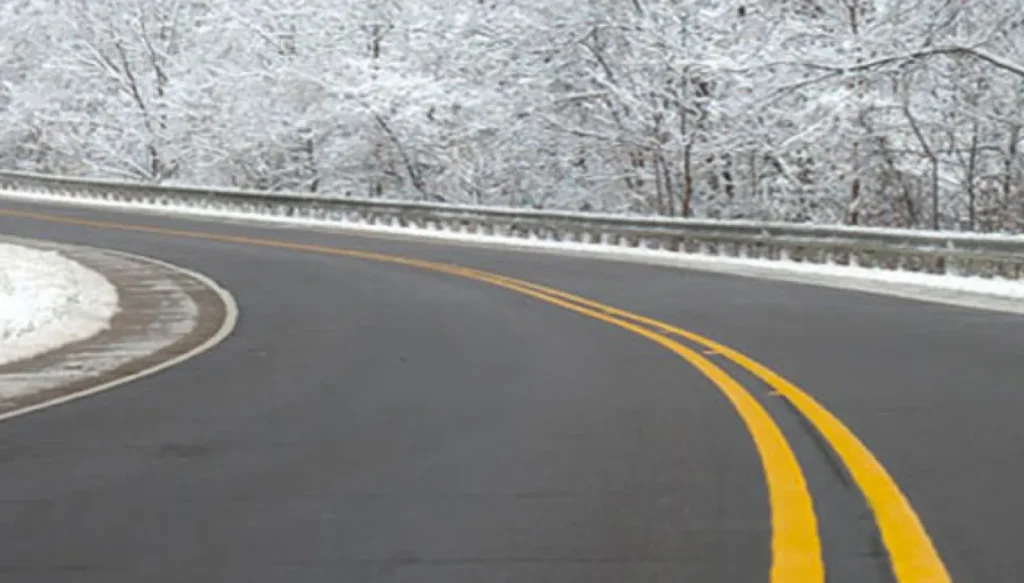
When we think about road maintenance, it might not seem exciting, but it’s essential for safety and convenience. Every day, roads support vehicles and endure weather changes, which can cause potholes, cracks, and other forms of damage. Knowing how to maintain these vital connections can save money and headaches later.
Let’s look at how to keep roads in great shape for years.
Regular Inspections
Regular inspections are key to road maintenance. Think of them as check-ups for a car; they help identify problems before they become significant. Schedule inspections frequently, especially after harsh weather or heavy traffic.
During these inspections, check for cracks, wear and tear, and drainage problems. Catching these issues early can prevent more significant problems and expensive repairs. If you notice a problem, address it promptly. The sooner you act, the less work and cost you’ll face.
Quality Materials Matter
The materials used in road work can affect how long the roads last. Using good asphalt, concrete, or gravel makes a difference. Cheaper materials may initially cost less, but they often wear out more quickly, resulting in more frequent repairs.
By investing in high-quality, weather-resistant materials, you can help distribute weight better and reduce wear over time. Although it may seem like a larger upfront cost, high-quality materials usually save money in the long run due to a lower need for repairs.
Winter Management
In winter, keeping roads clear of ice is crucial. Salt brine, made by mixing salt with water, is an effective method for treating roads. Apply it before snowstorms to stop ice from forming.
Salt brine for roads works well even in lower temperatures compared to regular salt. When sprayed on before a storm, it helps reduce the tightness of snow and ice bonding to the road. This means less scraping and plowing later. Additionally, when used correctly, it can be more environmentally friendly, as it limits the amount of salt that can harm plants and water sources.
Effective Drainage Systems
Effective drainage systems are crucial for maintaining roads. Water pooling on roads can cause serious damage over time, leading to cracks or even total surface failure. Ensure ditches, culverts, and drainage pipes remain clear.
Regularly check these systems for blockages, such as debris, which can trap water. If necessary, install additional drainage solutions, particularly in areas prone to heavy rainfall. Adequate drainage can help prolong the life of your road.
Pothole Repair
Potholes may seem unavoidable but addressing them promptly can help keep roads safer and save money over time. When you notice a pothole, act promptly. Waiting can exacerbate the problem, leading to more extensive repairs.
There are various methods for repairing potholes, depending on their size. Small ones may need a simple patch, while larger ones could require more work. Discover the most effective techniques for your road surface to ensure each repair lasts.
Use of Sealcoating
Sealcoating is an effective way to protect asphalt roads. This layer shields the surface from UV rays, water damage, and oil spills. By applying a sealcoat regularly, you can slow down wear and reduce the formation of cracks and potholes.
Aim to seal coat every two to three years, based on traffic and weather conditions. A well-sealed road not only looks better but also offers protection against harsh elements.
Community Participation
Getting the community involved in road maintenance can make a big difference. When people are aware of road issues, they can report problems like potholes and debris more quickly.
You might consider organizing community clean-up days or holding informational sessions about road safety and maintenance. When residents feel responsible for their roads, they are more likely to act when problems arise. This fosters a sense of shared responsibility and can contribute to making roads safer and better maintained.
Sustainable Practices
Using sustainable practices in road maintenance benefits both the environment and the roads. For example, using recycled materials such as asphalt or concrete can reduce waste and lower costs. These materials save resources and can be just as durable as new ones.
Green infrastructure solutions, such as permeable pavement, allow water to pass through, reducing runoff. This helps manage rainfall better, preventing water from pooling and causing road damage. Check out Best In Your Area for other sustainable practices as well. By focusing on sustainability, road maintenance can help protect the environment and extend the lifespan of roads.
Training for Maintenance Crews
A well-trained maintenance crew is crucial for keeping roads in good condition. Ongoing training helps staff learn the latest tools, techniques, and materials for road maintenance. This knowledge leads to more efficient repairs and better preventative measures.
Regular workshops or training sessions keep crews informed about new ideas and best practices for common road problems. Investing in skilled personnel improves the quality of maintenance work, making roads safer and more reliable for everyone.

