
Industrial operations rely on specialized hoses to transfer everything from high-temperature fluids to massive volumes of water during emergencies. Selecting inappropriate hoses leads to failures that halt production, damage equipment, and create safety hazards. Understanding the unique requirements of different applications helps facility managers and maintenance teams specify hoses that deliver reliable performance while controlling costs through extended service life.
The Challenges of High-Temperature Fluid Transfer
Manufacturing processes across numerous industries require moving hot liquids and gases between equipment. Food processing facilities use steam for cooking, sterilization, and cleaning. Chemical plants employ heated fluids in reactors and distillation columns. Power generation facilities distribute steam for heating and mechanical work. These applications demand hoses that withstand extreme temperatures without degradation.
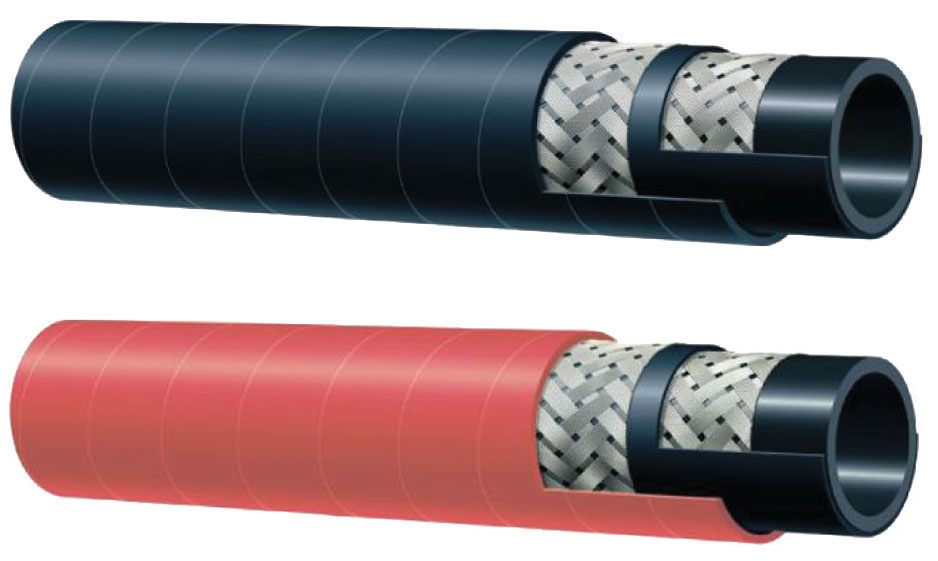
Standard rubber hoses fail rapidly when exposed to temperatures above 200 degrees Fahrenheit. Their compounds crack and harden, leading to leaks and bursts. Steam hose incorporates specialized materials engineered to handle temperatures up to 450 degrees or higher. Multiple layers of heat-resistant rubber create barriers that insulate outer covers from internal heat while maintaining flexibility needed for installation and operation.
Internal tube construction resists both heat and moisture. Steam contains water droplets that erode conventional materials through constant bombardment. Reinforcement layers provide strength to contain high pressures generated by steam systems. Wire braid or textile reinforcement maintains hose shape while preventing expansion that reduces pressure ratings. Cover materials protect reinforcement from environmental damage including oil, chemicals, and abrasion.
Proper Installation and Safety Practices
Installing high-temperature hoses requires attention to details that prevent premature failure. Allow adequate slack to accommodate thermal expansion and contraction. Hoses expand when heated and contract when cooled, creating stress on fittings if installed too tightly. Calculate expected length changes based on temperature differences and provide sufficient flexibility.
Support hoses at intervals recommended by manufacturers to prevent sagging that concentrates stress at connection points. Avoid tight bends that kink hoses and restrict flow. Minimum bend radius specifications protect internal structure from damage. Sharp bends create weak points where reinforcement separates from rubber layers, leading to bulges and eventual failure.
Route hoses away from sharp edges, moving equipment, and high-traffic areas where physical damage might occur. Protect exposed hoses with guards or sleeves in locations where contact proves unavoidable. Periodic inspection identifies developing problems before catastrophic failures endanger personnel. Look for surface cracks, soft spots, and leaks at fittings during routine maintenance.
Water Transfer for Emergency Response and Large-Volume Applications
Fire departments, construction sites, and agricultural operations frequently need to move large water volumes quickly across considerable distances. Traditional rigid piping proves impractical for temporary installations or locations where equipment must deploy and store rapidly. Flexible hoses bridge this gap, but conventional garden hoses lack the diameter and durability required for high-volume transfer.
Collapsible designs offer distinct advantages for these applications. Lay flat hose flattens when empty, occupying minimal space during storage and transportation. This characteristic proves essential for emergency response vehicles with limited storage capacity. Firefighters carry hundreds of feet of hose that would overwhelm equipment compartments if constructed from rigid materials.
When pressurized, these hoses expand to full diameter, delivering flow rates comparable to rigid pipe of similar size. Lightweight construction allows single operators to deploy long sections quickly. Diameters ranging from two to six inches accommodate various volume requirements. Larger diameters move more water but require stronger pumps to overcome friction losses.
Construction and Material Considerations
Lay flat hose construction uses woven synthetic materials that provide strength while remaining flexible. Polyester yarns resist mildew and maintain strength when wet. PVC or thermoplastic coatings create waterproof barriers while protecting internal fibers from abrasion. Multiple construction grades serve different intensity levels, from light-duty irrigation to heavy-duty firefighting.
Pressure ratings distinguish applications suitability. Low-pressure hoses work for drainage and irrigation where gravity provides most force. Medium-pressure designs handle typical municipal water systems. High-pressure variants withstand the intense forces generated by fire pumps or industrial equipment. Using hoses rated below application requirements risks bursts that waste water and endanger personnel.
Coupling compatibility ensures secure connections between hose sections and equipment. Storz couplings allow quick connections without threading, valuable during emergency deployment. Camlock fittings provide tool-free connections suitable for frequent assembly and disassembly. National Standard Thread fittings integrate with existing infrastructure in municipal systems.
Maintenance and Service Life Extension
Proper care dramatically extends hose service life regardless of type. Clean hoses after use to remove chemicals, dirt, and debris that degrade materials. Flush thoroughly with clean water, paying attention to coupling threads where contaminants accumulate. Allow hoses to dry completely before storage to prevent mildew growth and material degradation.
Store hoses in cool, dry locations away from direct sunlight. Ultraviolet radiation breaks down rubber and synthetic materials, reducing strength and flexibility. Avoid storing near motors, generators, or other ozone-producing equipment. Ozone attacks rubber compounds, causing surface cracking that progresses through hose walls.
Roll or fold lay flat hoses loosely to prevent permanent creases that weaken material. Avoid driving vehicles over hoses or allowing sharp objects to contact surfaces. Inspect couplings for damage, replacing bent or corroded fittings before they leak during critical operations. Test high-pressure hoses periodically to verify they maintain rated pressure without leakage or bulging.
Matching Hoses to Application Requirements
Selecting appropriate hoses requires analyzing multiple factors simultaneously. Temperature ranges determine material requirements, with high-heat applications demanding specialized construction. Pressure requirements establish minimum reinforcement levels needed for safe operation. Chemical compatibility prevents degradation from transported fluids or external contamination.
Flow rate needs influence diameter selection. Undersized hoses create excessive pressure drops that reduce system efficiency and overwork pumps. Oversized hoses cost more initially and occupy valuable space without providing proportional benefits. Calculate friction losses at expected flow rates to determine optimal sizing.
Frequency of use affects cost-benefit analysis. Operations requiring daily hose deployment justify premium materials that resist wear. Occasional-use applications may accept less durable options that cost less upfront. Consider total ownership costs including replacement frequency rather than focusing solely on initial price.
Environmental and Regulatory Compliance
Certain industries face regulations governing hose materials and construction. Food processing requires FDA-approved materials for product contact applications. Pharmaceutical manufacturing demands validation of materials that won’t contaminate products. Drinking water systems need NSF-certified hoses that don’t leach harmful compounds.
Environmental considerations influence material selection. Some operations prioritize recyclable materials or avoid compounds containing heavy metals. Low-emission manufacturing processes appeal to environmentally conscious organizations. Document material certifications to demonstrate compliance during audits or inspections.
Disposal of worn hoses should follow local regulations regarding industrial waste. Some materials qualify for recycling programs that recover valuable components. Others require special handling to prevent environmental contamination. Plan disposal methods when purchasing to avoid surprise costs at end of service life.
Conclusion
Industrial hose selection significantly impacts operational efficiency, safety, and costs. Understanding the demands of specific applications enables informed choices between specialized products designed for unique challenges. High-temperature operations require materials that withstand extreme conditions without degradation. High-volume water transfer benefits from collapsible designs that balance performance with storage efficiency.
Proper installation and maintenance practices maximize hose longevity regardless of type. Regular inspection, appropriate storage, and timely replacement prevent failures that disrupt operations. When hoses match application requirements and receive proper care, they provide reliable service that supports productive industrial operations while maintaining safety standards.

