
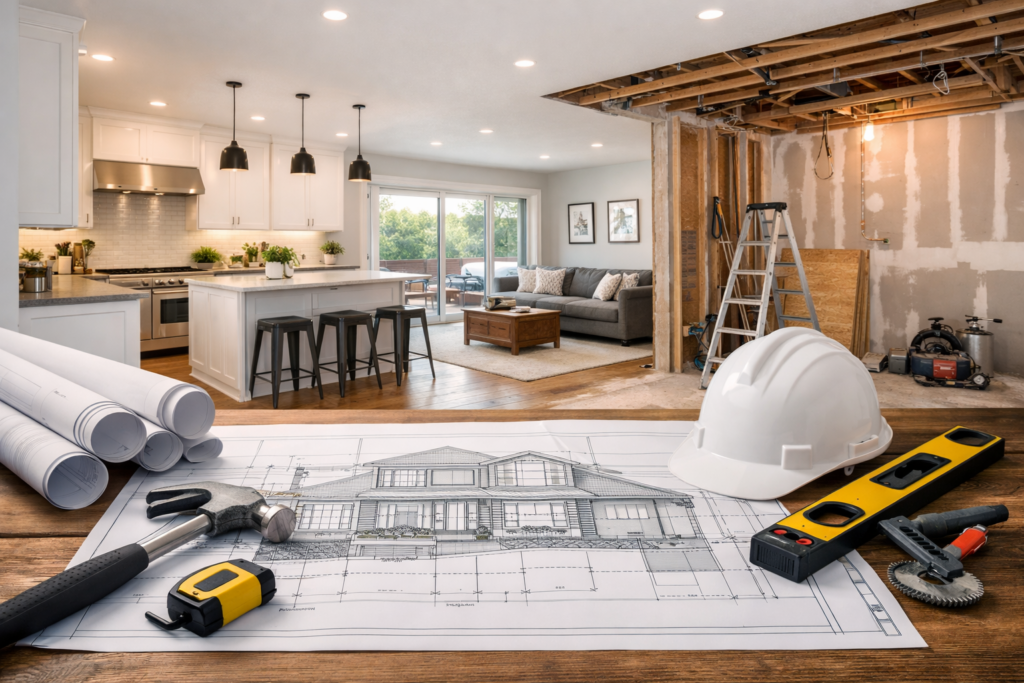
Home Remodeling Tips for Modern Living
Home remodeling is no longer just about visual upgrades. Today, it involves improving efficiency, functionality, and long-term performance. Whether you are a homeowner, property investor, or real estate professional, understanding the fundamentals of a full home remodel helps you make smarter decisions.
For example, working with experienced contractors like Sten Construction can provide valuable insight into how to approach complex remodeling projects with both practical and technical considerations in mind.
Let’s break it down into practical steps and insights that align with both residential needs and broader construction trends.
Why Full Home Remodeling Matters
A full home remodel goes beyond surface-level changes. It often includes structural adjustments, system upgrades, and layout improvements that enhance how a property performs over time.
Here is why many property owners choose to remodel:
- Aging infrastructure requires updates
- Layouts no longer match modern living standards
- Energy inefficiency increases operating costs
- Property value needs improvement for resale or rental
According to the U.S. Department of Energy, improving insulation and sealing air leaks can significantly reduce energy consumption in residential buildings. These upgrades are especially relevant in older homes.
From an industry perspective, remodeling is a strategic investment rather than a cosmetic one.
Step 1: Define Project Scope and Objectives
Every successful remodeling project starts with a clearly defined scope. Without it, costs and timelines can quickly shift.
Start by identifying:
- Structural changes needed
- Systems that require upgrades such as electrical, plumbing, HVAC
- Desired layout improvements
- Budget constraints and timeline expectations
Here is why this step matters. A defined scope allows contractors and stakeholders to align expectations and reduce risk during execution.
Step 2: Prioritize Energy Efficiency
Energy efficiency is now a core component of modern remodeling projects. It impacts both operating costs and property value.
Key upgrades include:
- High-efficiency insulation systems
- Double or triple-pane windows
- Modern HVAC units
- Air sealing to prevent heat loss
The U.S. Environmental Protection Agency states that proper sealing and insulation can reduce energy bills by up to 15 percent.
For property owners and investors, this translates into lower long-term expenses and improved asset performance.
Step 3: Select Materials Based on Performance
Material selection should be driven by durability, maintenance requirements, and lifecycle cost rather than appearance alone.
Consider materials that offer:
- Resistance to moisture and environmental stress
- Long service life
- Minimal maintenance requirements
Examples include engineered wood, composite materials, and high-performance coatings.
Next steps involve evaluating supplier specifications and comparing product warranties to ensure long-term reliability.
Step 4: Optimize Layout and Space Utilization
Modern remodeling often focuses on improving how space is used rather than expanding square footage.
Common layout improvements include:
- Open-plan living areas
- Multi-functional spaces for remote work
- Improved natural lighting
- Enhanced storage solutions
From a design and engineering standpoint, these changes increase usability while maintaining structural efficiency.
Step 5: Understand Compliance and Permitting
Remodeling projects must comply with building codes and regulatory requirements. These standards ensure safety, structural integrity, and environmental responsibility.
Typical requirements include:
- Building permits
- Structural inspections
- Electrical and plumbing compliance
- Energy code adherence
Failure to meet these requirements can result in delays or additional costs.
Here is why working with experienced contractors is critical. They understand compliance processes and help streamline approvals.
Step 6: Budget Planning and Cost Control
Budget management is a key factor in project success. A well-structured budget accounts for both expected and unexpected costs.
A practical approach includes:
- Establishing a baseline budget
- Allocating funds to high-priority upgrades
- Setting aside 10 to 20 percent for contingencies
Unexpected issues such as hidden structural damage or outdated systems are common in remodeling projects. Planning for them reduces financial risk.
Step 7: Work With Qualified Professionals
The complexity of full home remodeling requires collaboration with skilled professionals, including contractors, designers, and engineers.
When selecting a contractor, consider:
- Experience with full-scale remodeling projects
- Knowledge of construction standards and codes
- Ability to manage timelines and resources
- Clear communication and documentation
Experienced contractors help coordinate multiple aspects of the project, from design to execution.
Long-Term Value and ROI Considerations
A full home remodel should deliver measurable returns, whether through increased property value, improved efficiency, or enhanced usability.
High-impact upgrades often include:
- Kitchen and bathroom renovations
- Structural improvements
- Energy-efficient systems
- Durable material installations
According to Remodeling Magazine’s Cost vs. Value Report, many remodeling projects can recover a significant portion of their cost, depending on scope and market conditions.
From an investment perspective, remodeling enhances both asset value and market competitiveness.
Final Thoughts and Next Steps
Full home remodeling is a complex process that combines design, engineering, and construction management. Success depends on clear planning, informed material selection, and collaboration with experienced professionals.
If you are planning a full-scale renovation, partnering with a trusted contractor can simplify the process and improve results. Consider reaching out to Sten Construction to explore how their experience in full home remodeling can help bring your project from concept to completion.

