
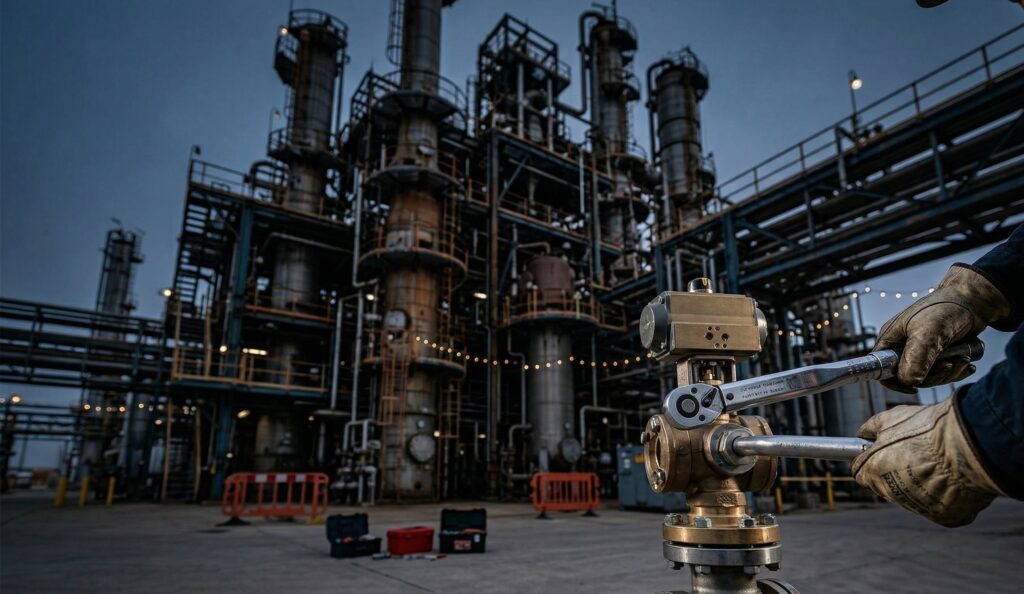
Understanding the Nature of a Plant Shutdown
A plant shutdown is far more than a temporary halt in operations. It is a highly coordinated, time-bound event that integrates inspection, maintenance, repair, and upgrade activities within a limited window.
Unlike routine maintenance, shutdowns involve a concentrated effort across multiple disciplines. Activities that are otherwise spread over months must be executed simultaneously, often under strict deadlines. This compression of work increases both complexity and risk.
Once operations cease, the cost implications begin immediately. Therefore, the effectiveness of a shutdown depends heavily on the quality of planning and coordination established beforehand.
The Importance of Structured Planning
The success of a plant shutdown is determined well before execution begins. Comprehensive planning ensures that all activities are aligned, resources are available, and risks are mitigated.
Inadequate planning typically results in scheduling conflicts, resource shortages, and unanticipated delays. These challenges can escalate quickly, affecting both timelines and operational costs.
A structured planning approach focuses on three key elements:
- Clearly defined scope
- Realistic scheduling
- Adequate resource allocation
Maintaining alignment between these elements is essential for effective shutdown management.
Defining the Scope of Work
Establishing a well-defined scope is the foundation of any successful shutdown. This includes identifying all tasks related to inspection, maintenance, replacement, and system upgrades.
Scope definition should be based on:
- Historical maintenance records
- Equipment performance data
- Regulatory and compliance requirements
- Risk-based prioritization
Uncontrolled scope expansion is a common issue that can significantly impact schedules. Early validation and approval of the scope help maintain control throughout the shutdown process.
Developing a Realistic and Achievable Schedule
A detailed and achievable schedule is critical for coordinating shutdown activities. It should reflect actual working conditions rather than ideal assumptions.
Key considerations in schedule development include:
- Task breakdown into manageable activities
- Identification of dependencies between tasks
- Allocation of contingency time for high-risk operations
- Opportunities for parallel execution without compromising safety
Project management tools such as Primavera and Microsoft Project can support scheduling efforts. However, the accuracy of the schedule depends on realistic planning inputs and experienced judgment.
Resource Planning and Allocation
Effective resource planning ensures that all required personnel, equipment, and materials are available when needed. In many cases, organizations engage an experienced industrial mechanical contractor to manage complex maintenance activities, ensuring that skilled labor, specialized tools, and execution expertise are aligned with the shutdown schedule.
This includes:
- Skilled workforce and specialized contractors
- Inspection and maintenance equipment
- Spare parts and consumables
Material availability is particularly critical. Delays in procurement or delivery can disrupt multiple activities and extend the shutdown duration. To address this, many organizations implement pre-staging strategies and conduct material readiness checks in advance.
Integrating Safety into Shutdown Planning
Shutdown activities often involve elevated risk due to the nature of the work being performed. Tasks such as confined space entry, hot work, and heavy lifting require careful control.
Safety must be integrated into every stage of planning and execution. It should not be treated as a separate function.
Essential safety measures include:
- Detailed job hazard analyses
- Permit-to-work systems
- Isolation and lockout procedures
- Emergency response planning
Maintaining strict adherence to safety protocols is critical, particularly under time pressure.
Managing Execution Effectively
During the execution phase, even well-developed plans may encounter unforeseen challenges. Equipment conditions may differ from expectations, and additional work may be required.
Effective management during this phase relies on:
- Daily coordination and progress review meetings
- Clear communication between teams
- Defined reporting structures
- Timely decision-making
Flexibility, combined with control, allows teams to address issues without compromising overall objectives.
The Role of Inspection and Testing
Plant shutdowns provide an opportunity to conduct comprehensive inspections that are not feasible during normal operations.
These inspections include thickness measurements, weld evaluations, and integrity assessments using advanced nondestructive testing techniques.
Such evaluations are essential for identifying hidden defects, verifying repair quality, and ensuring that equipment is fit for continued service. Thorough inspection processes contribute directly to long-term reliability and operational safety.
Post-Shutdown Evaluation and Continuous Improvement
Following the completion of a shutdown, a structured review process is essential. This evaluation provides insights into performance and identifies areas for improvement.
Key aspects of the review include:
- Comparison of planned versus actual timelines
- Analysis of delays and their root causes
- Assessment of resource utilization
- Review of safety performance
Documenting these findings supports continuous improvement and enhances the effectiveness of future shutdown planning.
Conclusion
Planning and executing a successful plant shutdown requires a disciplined and systematic approach. It involves coordination across multiple functions, careful resource management, and strict adherence to safety and quality standards.
When executed effectively, a shutdown enhances equipment reliability, reduces operational risk, and extends asset life. It also reinforces organizational capability in managing complex industrial processes.
A well-planned shutdown is not merely a maintenance activity. It is a critical investment in the long-term performance and safety of industrial operations.

