

Managing a modern fleet means keeping a close eye on the bottom line every single day. Fuel expenses and maintenance schedules dictate whether a business thrives or barely survives in a competitive market. Many operators look toward new tech to save money, yet diesel remains a foundation for many successful logistics firms. It provides a mix of power and longevity that other fuel types struggle to match. Understanding these financial perks enables managers to make informed decisions about their equipment and long-term budget planning.
Superior Thermal Efficiency Standards
Diesel engines work on a compression ignition principle that changes the way energy is used. An article noted that diesel engines are more thermally efficient than gasoline versions. This means more of the fuel turns into movement instead of being wasted as heat. Fleet owners see this benefit at the pump when their trucks cover more miles on a single tank. High compression ratios allow for a more complete burn of the fuel inside the cylinders. This efficiency translates to lower operational costs over the life of the vehicle. Heavy vehicles benefit the most from this energy conversion rate since they require constant power.
High Torque Output for Heavy Hauling
Picking the right platform involves weighing long-term durability against upfront costs. In many cases, the Cummins ISC 8.3 diesel engine is a staple for heavy hauling owing to its high torque output and simple design. This engine represents a mid-range powerhouse that helps many operations stay profitable over hundreds of thousands of miles. Operators appreciate the low-end grunt that diesel provides when pulling heavy trailers or navigating steep grades. Having that extra power at low RPMs reduces strain on the transmission and other drivetrain parts. It allows the vehicle to maintain steady speeds without constantly shifting gears.
Preventive Maintenance and Downtime Reduction
Keeping trucks on the road is the only way to generate revenue in the transport world. One study suggested that identifying and resolving these problems early can help fleets avoid expensive repairs and costly downtime. Diesel components are often over-engineered to handle the high pressures of combustion. This rugged construction means parts last longer before they need replacement. Routine checks on filters and fluids keep these machines running at peak performance for years. A well-maintained diesel block can often outlast a gas engine by double the mileage. This longevity helps businesses avoid the high cost of frequent vehicle turnovers.
Future Fuel Consumption Patterns
Market data suggests that the way we use energy is shifting across the globe. One report found that gasoline consumption will decline in 2026 and 2027 as vehicle fleet fuel economy gains continue and VMT growth slows. Fleet managers are sticking with diesel for heavy-duty tasks where electric or gas options fall short. The stability of diesel technology makes it a safe bet for long-term investments.
- Improved aerodynamics on newer truck models.
- Advanced fuel injection systems that limit waste.
- Better routing software to reduce idling time.
- Updated tire compounds that lower rolling resistance.
- Enhanced driver training programs to optimize gear shifts.
The Resale Value of Diesel Assets
When it comes time to cycle out old equipment, diesel trucks often hold their value better than their peers. Buyers in the used market look for the reliability that a diesel badge provides. A truck with 200,000 miles is often seen as just starting its work life if it has a diesel heart. This high residual value lowers the total cost of ownership for the original fleet. It means you get more money back when you upgrade to newer models. This liquid asset helps fund future growth without taking on too much debt – a key factor for smaller companies. Secondary markets for parts and cores stay strong for decades. Owners find that selling a diesel truck is much faster than offloading a gas equivalent.
Turbocharging and Power Density
Most modern diesel units rely on turbochargers to push more air into the combustion chamber. This setup allows a smaller engine to produce the power of a much larger naturally aspirated unit. It creates a high power-to-weight ratio that is perfect for carrying heavy freight. Mechanical simplicity in these designs often leads to fewer sensor failures compared to complex gas systems. Engineers focus on building blocks that can handle heat and pressure for long shifts. This technical focus keeps the fleet moving even under harsh weather or heavy loads. Fuel delivery systems have become more precise to help with this power output. High-pressure common rail systems offer better timing for every stroke.
Stable Fuel Storage and Safety
Safety is a huge part of fleet management that often gets overlooked in cost talks. Diesel fuel is less volatile than gasoline, which makes it safer to store and transport. It has a higher flash point, meaning it is harder to ignite by accident in a shop or during a crash. This reduced risk can lead to lower insurance premiums for large storage facilities. Plus, diesel does not evaporate as quickly as gas when sitting in a tank. This stability protects the quality of the fuel during long periods of storage or slow usage cycles. It helps depots maintain a larger supply without worrying about fuel degradation. This longevity is a major plus for companies that buy in bulk to save on costs.
Operational Reliability in Tough Conditions
Diesel engines are famous for starting up and running in extreme environments where others fail. They do not rely on spark plugs, which removes a common point of failure in wet or cold weather. This reliability keeps drivers on schedule regardless of the season. Consistent performance is what builds trust with clients who expect their goods to arrive on time.
- Heavy-duty cooling systems for summer heat.
- Glow plugs for reliable winter starting.
- Robust electrical systems for auxiliary power.
- Simplified exhaust paths to improve flow.
- Cast iron components that resist warping under heat.
- Simple mechanical layouts that reduce the need for specialized tools.
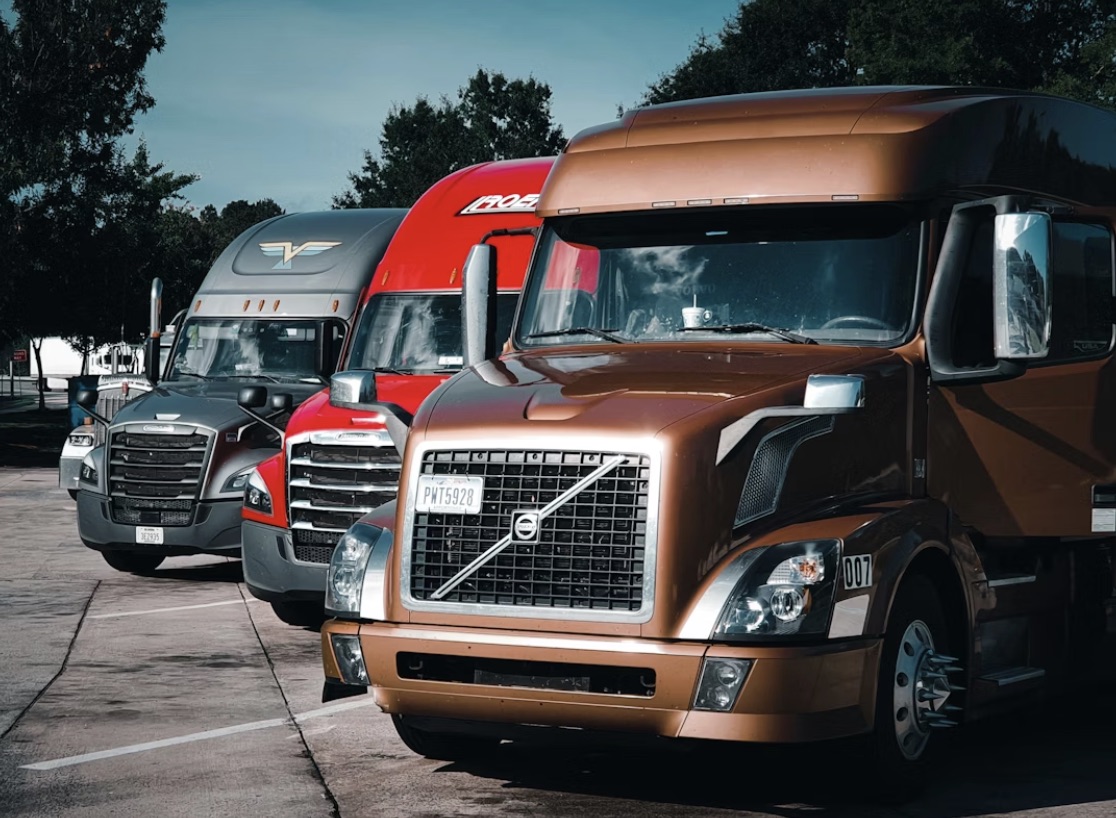
Choosing the right fuel type is a decision that impacts every part of a business. Diesel offers a blend of power, safety, and longevity that serves as a shield against rising costs. Though the industry changes, the mechanical advantages of these engines remain clear for heavy-duty work. Fleet managers who prioritize efficiency will find that diesel stays a top contender for years to come. Investing in quality engines and regular service makes sure the business stays on the move. Building a fleet around these reliable machines creates a strong foundation for any logistics operation.

