
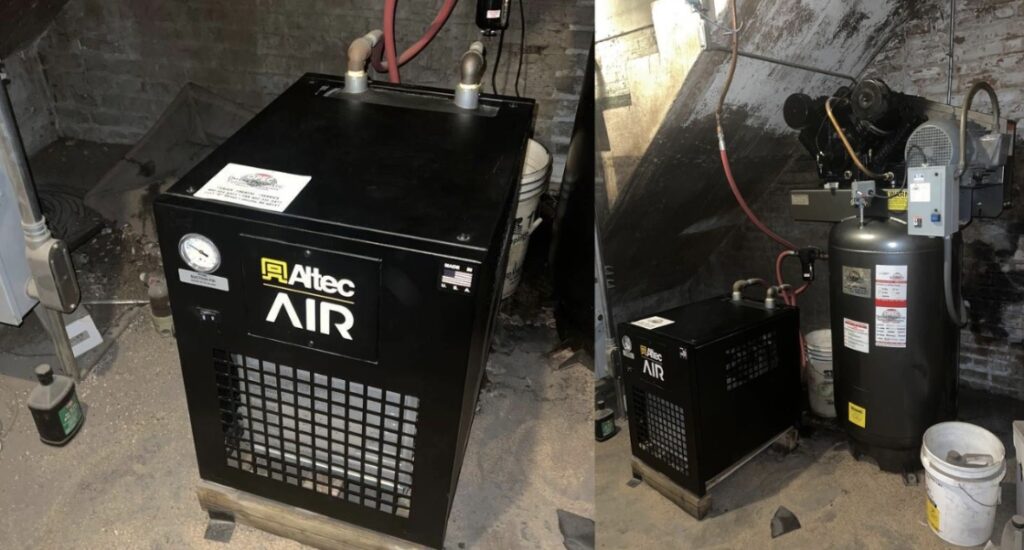
Compressed air is the fourth utility on most manufacturing floors. Power, water, gas, and air all run through every working day. The compressor produces the air; the dryer determines whether that air is dry enough to drive precision tools, pneumatic actuators, and finish-quality processes without water-related damage. Picking the wrong dryer costs operators in equipment downtime, rejected parts, and energy bills that nobody planned for.
Specialist suppliers handle the dryer-selection decision alongside the wider compressor system. Industrial operators thinking about compressor replacement should pair the cost framework with the industrial air dryer selection guide that covers the air-treatment side of the same system. Penry Air is the e-commerce platform of Omaha Pneumatic Equipment Company, founded over 30 years ago in the Midwest with a clear focus on educating consumers about air-compressor systems. Their industrial air dryers for compressor systems cover the refrigerated, desiccant, and membrane options that match different operating profiles. The framework below covers how manufacturers and industrial operators pick the dryer that fits the system.
Why Does Air Dryer Selection Matter So Much?
Air dryer selection matters because compressed air carries water that needs to be removed before the air reaches the tools, actuators, or finishing equipment. A 100-horsepower compressor running 8 hours a day at typical Midwest humidity produces around 40 gallons of water per day. Without a dryer, that water hits the pneumatic lines.
Three structural reasons make the dryer the decisive variable. First, water in the air system damages valves, cylinders, and pneumatic controls. OSHA’s compressed-gas equipment standards cover the safety and operational framework operators work inside.
Second, water in the air ruins finish work. Painting, coating, sandblasting, and similar processes all fail with wet air upstream.
Third, energy costs depend on the dryer choice. The American Society of Heating, Refrigerating and Air-Conditioning Engineers’ organizational overview covers the broader engineering framework that informs the energy-efficiency conversation around compressed-air systems.
What Six Factors Define the Right Air Dryer?
Six factors typically drive the air-dryer selection for an industrial compressor system.
- Required pressure dew point. Different applications need different dew points: -40°F for pharmaceutical, -100°F for instrumentation, +35°F for general industrial.
- Air flow rate. The dryer’s capacity in standard cubic feet per minute (SCFM) must match the compressor’s output at the system’s operating pressure.
- Operating pressure and temperature. Dryer ratings change with inlet conditions; sizing accounts for the actual operating profile.
- Energy cost per cubic foot. Refrigerated dryers run continuously; desiccant dryers regenerate. The cost profiles differ meaningfully.
- Maintenance access and complexity. Desiccant beds, refrigerant systems, and condensate drains each have different maintenance cycles.
- Installation footprint. Floor space, electrical service, and connection sizing constrain the practical options.
An operator weighing 4 or 5 of these factors usually picks a dryer that matches the system rather than one that fights it.
How Should Operators Approach the Air Dryer Selection?
Five practical patterns shape an air-dryer selection that produces dry air reliably.
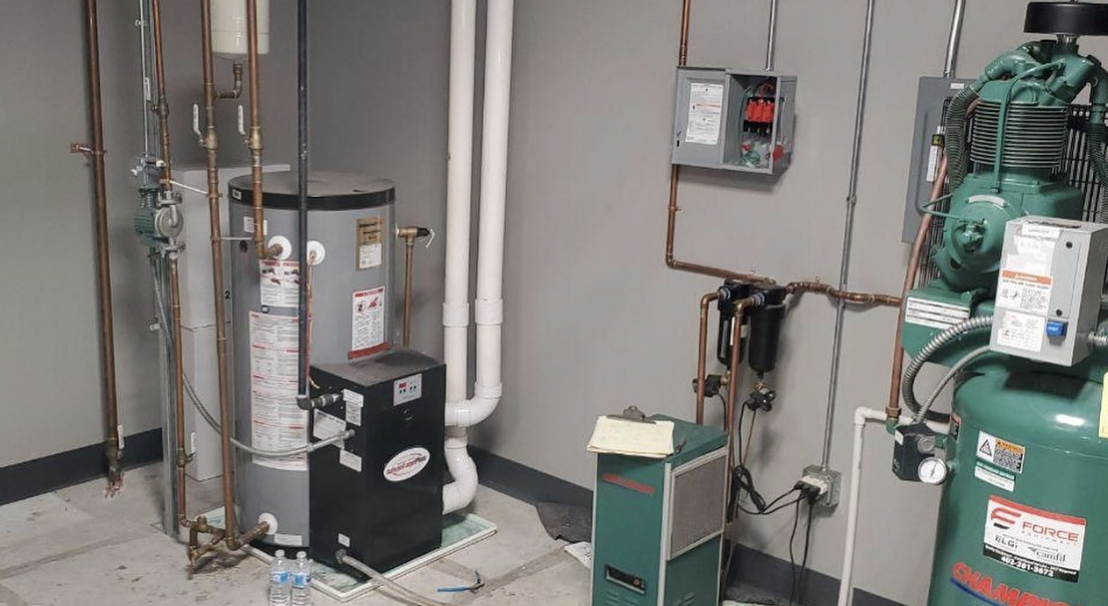
The first is the dew-point requirement clarification. Operators define the dew point the downstream applications actually need rather than picking a generic spec. Coverage of the top manufacturing companies in the USA reinforces how the major manufacturers calibrate compressed-air infrastructure to specific production requirements.
The second is the capacity sizing. The dryer’s rated SCFM must exceed the compressor’s actual output at the inlet conditions the dryer will see. Undersized dryers fail the downstream applications.
The third is the dryer-type decision. Refrigerated dryers suit general-purpose industrial use; desiccant dryers fit applications needing very low dew points; membrane dryers cover smaller flow rates with low maintenance.
The fourth is the energy-cost calculation. Annual energy costs often exceed the dryer’s initial purchase price. The selection accounts for purchase and operating costs together.
The fifth is the installation planning. Floor space, electrical requirements, condensate drainage, and pre-filtration all sit in the installation plan. Coverage of the best power tool brands reinforces how downstream tool performance depends entirely on the air quality the dryer delivers upstream.
What Are the Common Air Dryer Selection Mistakes?
A selection mistake is a choice that costs the operator in downtime, rejected parts, or operating cost.
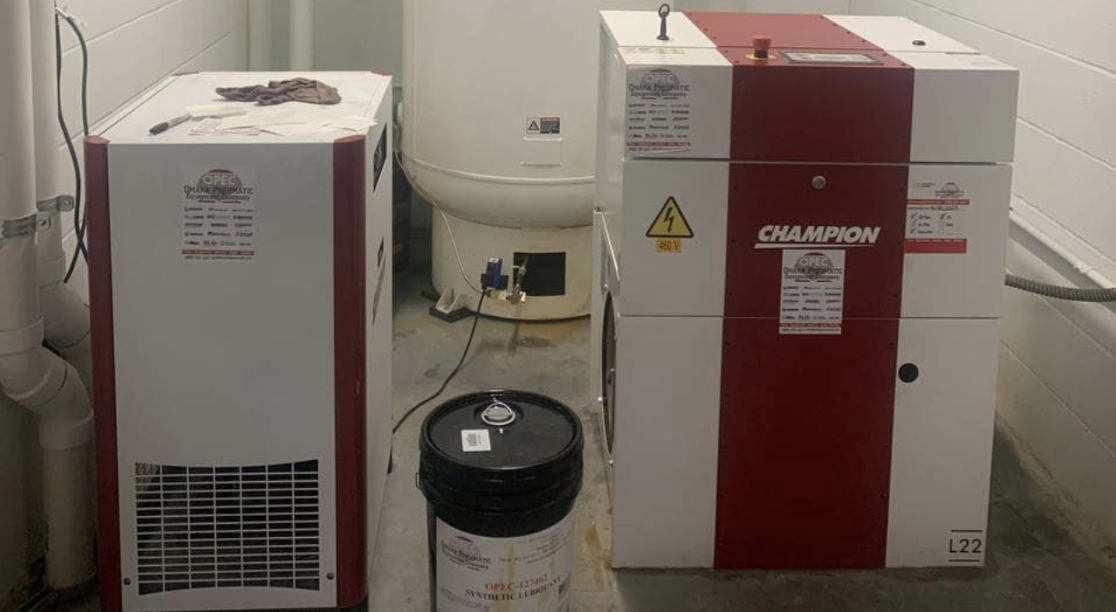
The first is the wrong-dew-point default. Picking a dryer with a higher dew point than the application requires produces water-related failures downstream.
The second is the under-sized trap. Sizing the dryer to nameplate compressor capacity rather than actual peak flow produces capacity shortfalls during demand peaks.
The third is the purchase-price-only choice. Selecting the cheapest dryer without modeling the energy cost across its operating life usually costs more in year one of operation than the savings.
The fourth is the no-pre-filtration habit. Dryers depend on upstream filtration to remove bulk oil and particulates. Skipping the pre-filter shortens the dryer’s life dramatically.
The fifth is the no-maintenance plan. Refrigerated dryers, desiccant systems, and condensate drains all have routine maintenance requirements. The selection includes a maintenance plan rather than treating the dryer as install-and-forget.
A Quick Air Dryer Selection Reality Check
- Confirm the required dew point for each downstream application
- Size the dryer to actual peak flow at operating conditions
- Compare dryer types against the operating profile and cost model
- Plan pre-filtration upstream of the dryer
- Build a maintenance schedule into the selection decision
The Honest Bottom Line for Industrial Operators
Air-dryer selection rewards the operator who treats compressed air as the critical utility it actually is. The decisions are concrete: dew point, capacity, dryer type, energy profile, installation footprint, maintenance plan. Each one shapes the result the system delivers across years.
The investment in the right dryer is modest compared to the downstream damage a wrong selection produces. Manufacturers and industrial operators who run the selection framework arrive at a dryer that matches the system. Costs match the model, and downstream applications produce the quality the operation depends on.
Readers thinking about the supporting infrastructure CNC operations depend on should reference the compressor air dryer framework for the air-treatment side of the same system.
Frequently Asked Questions
What Dew Point Do Most Industrial Applications Need?
General industrial applications typically require a pressure dew point of 35°F to 40°F, which a refrigerated dryer can handle. Pharmaceutical, electronics, and instrumentation applications need lower dew points (-40°F to -100°F) that desiccant dryers provide.
How Do I Size an Air Dryer for My Compressor?
Sizing matches the dryer’s rated SCFM to the compressor’s peak output at the inlet conditions the dryer will see. The dryer manufacturer typically provides correction factors for inlet pressure, temperature, and ambient conditions.
Are Refrigerated or Desiccant Dryers More Energy-Efficient?
Refrigerated dryers usually consume less energy than desiccant dryers for the same flow rate, but they cannot achieve the very low dew points desiccant dryers can. The right choice depends on the dew point the application actually needs.
How Often Should an Industrial Air Dryer Be Serviced?
Refrigerated dryers typically need annual service of the refrigerant system, condensate drain, and pre-filter. Desiccant dryers need desiccant replacement every 3 to 5 years depending on the operating profile, plus regular drain and filter maintenance.

