
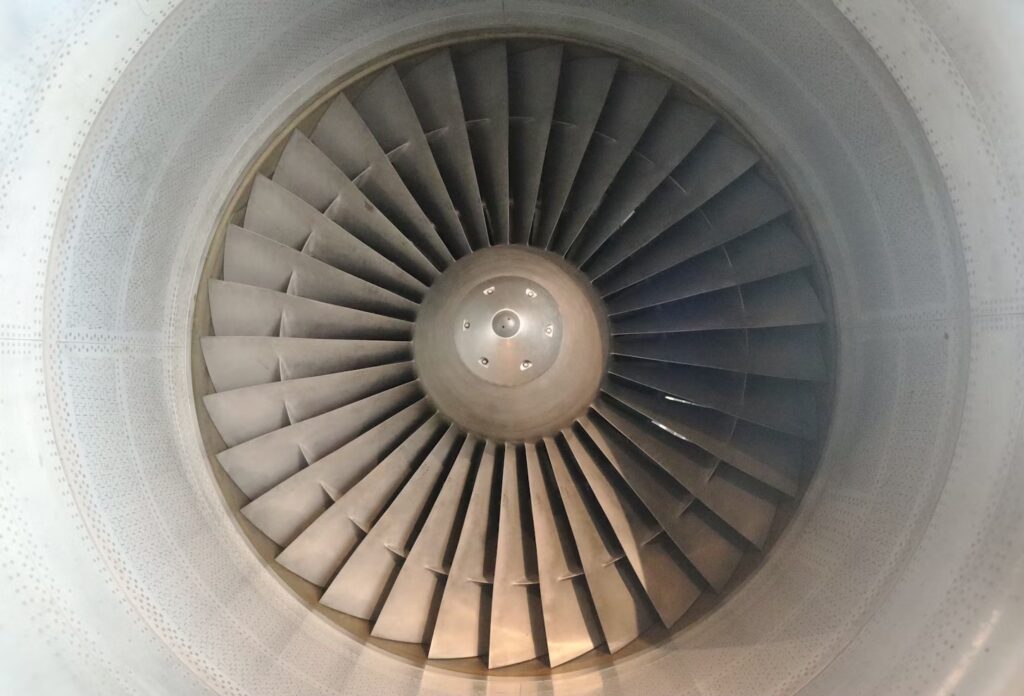
Steam turbines are subjected to incredibly high pressures and temperatures as high as 800°C and 340 bar. These conditions take a toll, and almost 50% of all blade failures are due to fatigue, cracks, and corrosion, Science Direct points out. The cost of a single failure is also staggering: up to $2 million in repairs and lost productivity. That’s why blade materials need to withstand these stresses to minimize risk of failure. The good news is strong alloys can tolerate these conditions well, so steam turbines and their blades maintain integrity and performance over time.
Consider creep resistance
To operate efficiently, blades need to resist deformation, so they won’t lose their shape at the high temperatures they’re exposed to. This property is called creep rupture strength. If a material can’t handle creep, the blades might slowly warp or stretch, which makes them less efficient (and they could break down completely). Nickel-based superalloys are often used because they have a high creep rupture strength of around 1,100 MPa at 650°C. This means the material can withstand constant stress for thousands of hours, although the exact strength varies depending on the alloy.
Although high pressures and temperatures are the main cause of creep, these strong forces can also gradually dislodge blades from their base slots, which puts strain on the roots. This can lead to damage and faster creep over time. In fact, these extra stresses can shave off as much as 27%-54% of a component’s usable life, according to a new study in Technologies. To prevent this damage, wire can be used to keep small parts near the blade root permanently in place. Titanium wires are robust enough to firmly hold these components (like locking pins), so the blades move from their slots as little as possible. In turn, less stress is placed on the roots overall.
Fatigue reliability under stress
Blade materials also need to withstand fatigue, given the massive amounts of stress they face. This stress comes from millions of cycles of mechanical and thermal strain, due to continual rotation and fluctuating steam pressures. Nickel-based superalloys can prevent fatigue, as their composition specifically resists cracking, even under repeated high temperatures and pressure. For instance, Inconel 625 can handle over ten million cycles of mechanical or thermal loading at temperatures up to 700-750°C. And even at 800°C, it won’t fail suddenly. Instead, it develops gradual, controlled cracks as the stress builds up. Similarly, Haynes 230 is also impressive when it comes to fatigue performance. It can stretch and compress by 1% of its length, cycle after cycle, without cracking, even at temperatures as high as 927°C. As a result, it maintains its original shape, rather than breaking.
Oxidation and corrosion resistance
The blade material must also be able to withstand corrosion and oxidation to keep its shape, strength, and functionality. Corrosion-related failure is actually a pretty common reason for steam turbine blade replacement, and almost 22% of these costs could be avoided with better material selection and maintenance. Nickel-based superalloys are the best choice, as they can handle high heat up to around 700°C without oxidation or corrosion. One key component to look for in these alloys is chromium, which reacts with air to form a thin layer of chromium oxide. This layer provides a barrier against corrosion. Aluminum’s also a good addition, as it forms a similar layer called alumina at high temperatures of 800°C. This extra protection further slows oxidation, so the blades stay in good condition.
High pressure and extreme temperatures are a constant reality for steam turbines, so it’s essential to choose blade materials that resist creep, fatigue, and corrosion. Fortunately, strong alloys are ideal as they provide consistently reliable performance even under the most intense conditions.

