
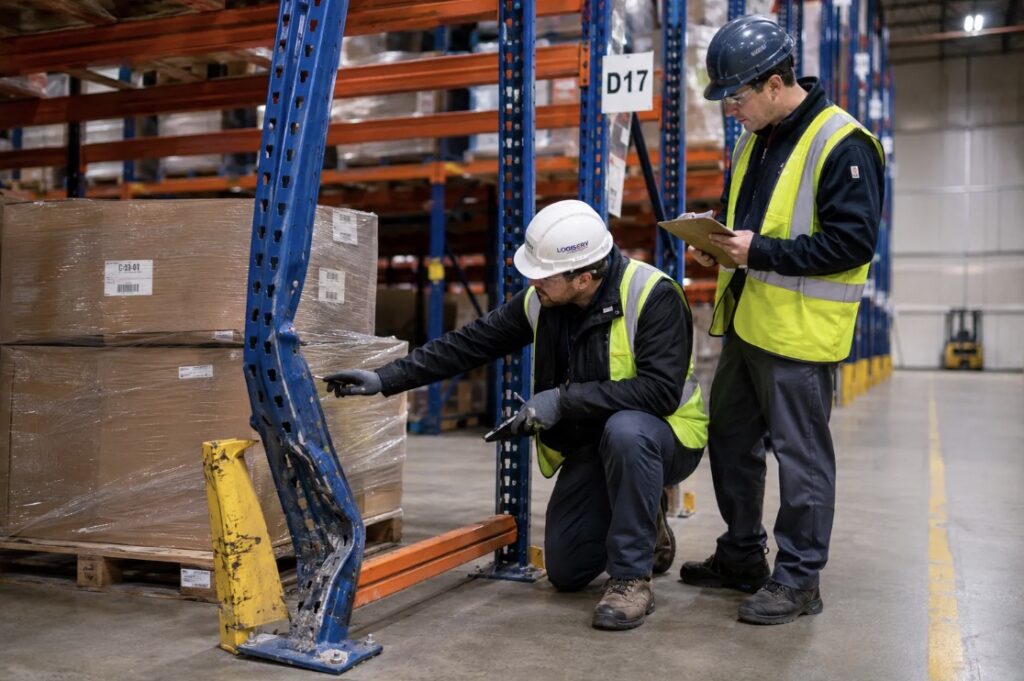
Pallet racking is often viewed as a storage system, but in industrial environments it functions as critical infrastructure. These structural storage systems support significant inventory loads while operating alongside forklifts, conveyors, and other heavy equipment. When damage occurs, the consequences can extend beyond storage capacity and affect worker safety, operational efficiency, and regulatory compliance.
Because rack damage often develops gradually, many facilities underestimate the risks associated with compromised components. Understanding the most common causes of damage can help operations teams identify problems earlier and implement appropriate corrective actions.
Why Pallet Rack Damage Is More Common Than Many Facilities Realize
Industrial facilities place constant demands on pallet racking. High inventory volumes, tight operating schedules, and continuous material handling activity create conditions where damage can occur more frequently than many managers realize.
Forklift traffic alone introduces ongoing exposure to equipment impact damage. As facilities increase throughput, operators often work within tighter timelines and more congested storage areas. Even minor contact between equipment and racking can accumulate over time.
Facility expansion can also contribute to warehouse rack damage. Layout changes, increased storage density, and evolving inventory requirements may place new stresses on existing rack systems that were originally designed for different operational conditions.
In addition, aging infrastructure presents challenges. Older rack systems may have experienced years of wear, repeated loading cycles, and minor impacts that gradually weaken structural components.
Forklift Impacts Remain the Leading Cause of Rack Damage
Among all causes of structural rack damage, forklift impact damage remains the most common.
Rack uprights are particularly vulnerable because they are positioned near active travel lanes. A direct collision can bend an upright, compromise load-bearing capacity, and alter the structural performance of an entire rack bay.
Beam connectors are another common point of failure. When forklifts strike beams during pallet placement or retrieval, connectors may become distorted or partially disengaged. While the damage may appear minor, the resulting reduction in structural integrity can be significant.
End-of-aisle frames face elevated risk because they are exposed to turning equipment and increased traffic volume. Repeated low-level impacts often occur without immediate visible consequences, making these areas especially important during inspections.
Even when impacts do not produce obvious deformation, recurring contact can weaken components over time and contribute to larger structural concerns.
Overloaded and Improperly Loaded Racks Create Hidden Structural Stress
Loading practices play a major role in rack performance.
Every rack system is designed with specific loading capacity limits. Exceeding those limits can introduce excessive stress into beams, uprights, and connectors. While catastrophic failures are uncommon, overloaded systems may gradually develop permanent deformation.
Uneven weight distribution creates additional challenges. Concentrating heavy loads on one side of a rack or placing weight inconsistently across beam levels can alter load paths and increase localized stress.
Dynamic loading conditions also deserve attention. Rapid pallet placement, equipment vibration, and shifting inventory can create forces that differ from static design assumptions.
Over time, these conditions may contribute to beam deflection, frame distortion, and other structural issues that require pallet rack repair or further engineering assessment.
Warning Signs That Repairs May Be Required
Early identification is one of the most effective ways to reduce risk and prevent more extensive damage.
Common warning signs include:
- Bent or twisted uprights
- Damaged horizontal or diagonal bracing
- Beam deflection beyond normal tolerances
- Distorted beam connectors
- Missing or damaged floor anchors
- Corrosion affecting structural members
- Damaged column protectors or guard systems
- Misalignment between rack components
These conditions do not always indicate imminent failure, but they should prompt evaluation by qualified personnel. Left unaddressed, minor defects can develop into more significant structural concerns.
Repair vs Replacement: How Facilities Should Evaluate Damage
One of the most common questions facility managers face involves repair vs replacement decisions.
Cosmetic damage that does not affect structural performance may not require extensive corrective action. Surface scratches or minor coating damage can often be addressed through routine maintenance procedures.
Structural damage presents a different situation. Bent uprights, damaged connectors, compromised bracing, and other load-bearing deficiencies frequently require engineered repair solutions to restore original performance characteristics.
In some cases, replacement may be necessary. Severe deformation, widespread corrosion, incompatible legacy components, or extensive damage affecting multiple structural elements may make replacement the more practical option.
Because every situation is unique, engineering review is essential. Decisions should be based on structural assessment rather than visual appearance alone.
Operational and Safety Risks of Ignoring Rack Damage
The consequences of neglecting rack damage extend well beyond maintenance concerns.
Worker safety remains the most important consideration. Compromised racking can increase the likelihood of load instability, falling materials, or structural failure events that place employees at risk.
Product damage is another concern. Inventory losses resulting from rack failures can be substantial, particularly in facilities handling high-value goods.
Operational downtime often follows significant rack incidents. Storage areas may require closure, inventory may need relocation, and investigations can disrupt normal production or distribution activities.
Facilities must also consider rack compliance obligations. Failing to address known deficiencies can create liability exposure and complicate regulatory or insurance reviews following an incident.
The Importance of Inspections and Documented Repairs
Effective rack maintenance programs rely on consistent monitoring and documentation.
Routine rack safety inspections help facilities identify emerging issues before they become serious structural problems. Formal reporting procedures encourage employees to document equipment impacts and other incidents as they occur, improving visibility into potential risks.
When inspections identify compromised components, facilities should pursue engineer-certified repair programs that restore structural performance and maintain compliance requirements. Companies such as LogiSERV provide engineer-certified inspection and repair services for damaged rack systems. Facilities operating throughout the Greater Toronto Area often rely on specialized racking repair toronto services when assessments determine that corrective action is necessary.
Documented repairs also support long-term asset management efforts by creating a record of maintenance activities, inspection findings, and corrective measures. Combined with preventive maintenance strategies, these programs help extend the service life of warehouse infrastructure while reducing operational risk.
Pallet racking plays a critical role in industrial operations, yet its structural importance is often overlooked until damage becomes visible. Forklift impacts, improper loading practices, aging infrastructure, and daily operational pressures all contribute to deterioration over time. By conducting regular inspections, responding quickly to identified issues, and implementing appropriate repair strategies, facilities can reduce safety risks, minimize disruption, and maintain reliable storage system performance.

