
The approach to workplace safety is undergoing a fundamental change. Organizations are moving away from simply reacting to incidents and are now adopting proactive strategies to prevent them by implementing modern systems and following proven warehouse safety tips and best practices. This evolution is powered by new technologies that offer advanced methods for identifying and mitigating risks. As a result, businesses are increasing their investment in modern safety systems to protect their workforce and improve operational resilience.
Integrating Predictive Analytics for Risk Prevention
A significant trend is the adoption of predictive analytics to forecast and prevent workplace incidents. These systems analyze historical and real-time data from various sources, such as incident reports, equipment sensors, and operational logs. Machine learning algorithms identify patterns and correlations that might indicate a heightened risk of an accident. This data-driven method allows safety professionals to move from reviewing past events to anticipating future possibilities. It enables them to allocate resources to high-risk areas and implement targeted interventions before an injury can occur.
The Rise of Computer Vision in High-Risk Environments
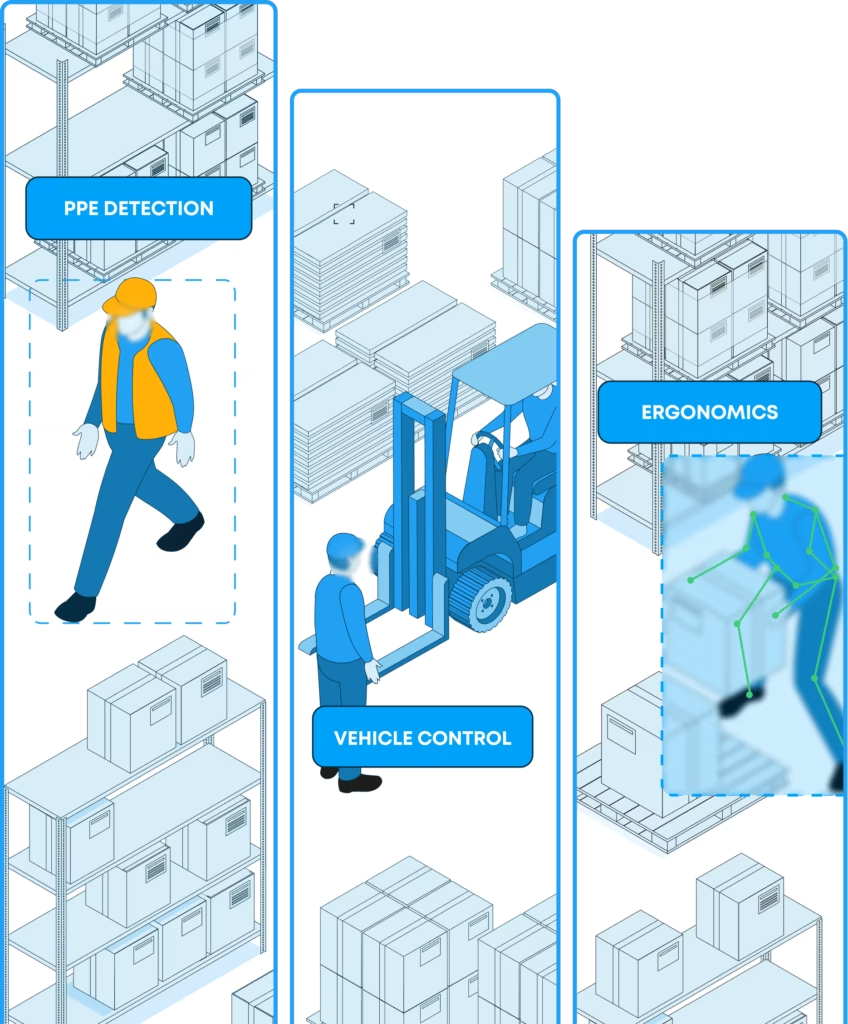
Computer vision technology is becoming an important tool for real-time monitoring in complex industrial settings. Using existing camera infrastructure, artificial intelligence platforms can analyze video feeds to detect unsafe conditions and behaviors as they happen. This continuous oversight helps organizations enforce safety protocols without constant human supervision. The technology provides a new layer of protection by spotting hazards that a person might miss. Common applications include:
- Identifying when personnel are not wearing required personal protective equipment (PPE).
- Monitoring for correct ergonomic postures to reduce strain injuries.
- Detecting unauthorized entry into hazardous zones.
- Alerting supervisors to risky interactions between workers and heavy machinery.
Wearable Technology for Individual Worker Protection
Wearable devices are providing new ways to monitor and protect individual employees. Smart helmets, connected vests, and biometric sensors can track a worker’s location, vital signs, and exposure to environmental dangers. These devices are especially valuable for lone workers or those in large, remote sites. If a device detects a fall, a period of no motion, or elevated biometrics indicating distress, it can automatically send an alert to a central monitoring station. This immediate notification system shortens emergency response times and provides a direct line of support to every employee.
Enhancing Safety Training with Immersive Technologies
Organizations are also transforming how they conduct safety training by using augmented reality (AR) and virtual reality (VR). These immersive platforms create realistic, interactive simulations of hazardous scenarios. Employees can practice emergency procedures, operate complex equipment, and respond to simulated crises in a completely safe and controlled setting. This hands-on experience improves knowledge retention and helps build confidence. It allows teams to prepare for high-stakes situations without facing any genuine physical danger, ensuring they are ready to act correctly during a real event.
Justifying the Investment in Modern Safety Systems
Investing in advanced safety technology is a strategic decision that strengthens an organization’s commitment to its people. Proactive measures help create a more resilient safety culture where risks are managed before they lead to harm. The financial incentives for preventing incidents are also clear, as OSHA fines for willful or repeated safety violations reach up to $165,514 per violation. By embracing these technological advancements, companies can build safer, more productive work environments for everyone.

