
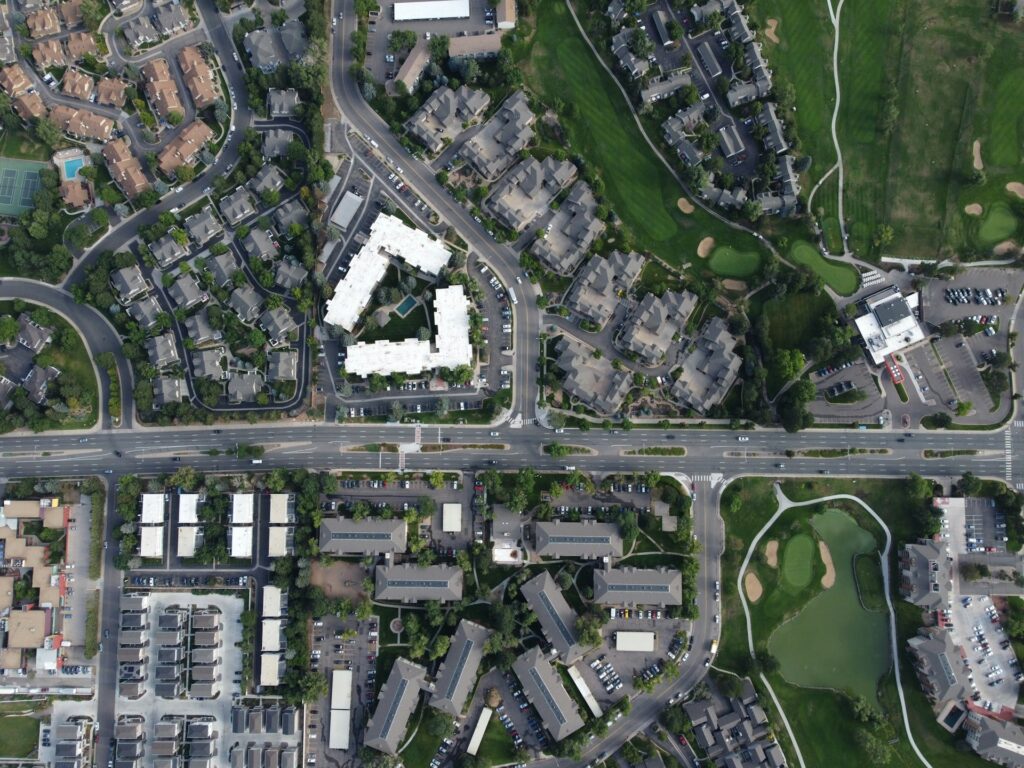
Modern commercial developments are no longer defined solely by architecture, location or tenant mix. Increasingly, their long-term success depends on something less visible but fundamentally critical — scalable power infrastructure. For investors and decision-makers evaluating large-scale projects, the ability to plan, adapt and expand electrical capacity is now a strategic requirement.
Developments are growing in complexity by integrating data centers, smart building systems, EV charging networks, automation and high-density occupancy. Therefore, the underlying electrical backbone must evolve in parallel. Without scalable systems, even the most promising projects risk operational bottlenecks, costly retrofits and reduced asset value over time.
Can Power Systems Scale With Development Growth?
The answer increasingly determines project feasibility and long-term return on investment. Commercial developments require systems that meet initial load requirements and adapt to phased expansion, tenant changes and evolving regulatory standards.
This is where custom power solutions become essential. Rather than relying on rigid, one-size-fits-all configurations, developers and operators need engineered systems that are designed around life cycle demand. It involves more than initial commissioning.
Why Scalability Matters in Commercial Power Planning
Scalable electrical infrastructure is built around three core realities:
- Demand is never static: Commercial sites evolve continuously. New tenants, increased automation and digital infrastructure all contribute to rising power loads. Without a scalable design, expansions often require disruptive overhauls.
- Downtime carries a high cost: Unplanned outages or capacity constraints can affect operations across offices, retail centers, logistics hubs and mixed-use developments.
- Speed to capacity matters: In competitive real estate markets, delays in energization or expansion can directly impact revenue recognition and occupancy timelines.
To address these pressures, developers are increasingly adopting integrated commercial power distribution solutions that combine engineering, inventory access and life cycle services under a single framework.
Engineering-Driven Infrastructure: From Concept to Connection
A fully scalable system begins at the design stage. For example, Sunbelt Solomon applies a structured engineering-led approach known as From Concept to Connection (™). It ensures that every stage, from planning to long-term maintenance, is integrated into a single continuous process.
This model is built to support complex developments that require both flexibility and speed. As described by the organization, “As an industry-leading provider of electrical distribution equipment with experienced engineering staff, we’re able to design, package and procure a wide range of power solutions — from simple to complex.”
This capability is particularly valuable for large commercial developments where electrical systems must align with architectural design, phased construction schedules and operational requirements.
Full Life Cycle Support: Beyond Initial Installation
Scalable power infrastructure is much more than installation. It’s defined by how effectively it is supported over time as commercial demands evolve. Maintenance, sustainability and long-term planning are all vital in ensuring systems continue to perform efficiently throughout their life cycle.
Sunbelt Solomon reinforces this perspective through its commitment to responsible, long-term service. As it emphasizes, “We see it as our responsibility to maintain ethical practices in order to help ensure a healthier environment … and build a sustainable future.”
This life cycle-focused approach helps commercial developments reduce downtime, extend equipment life and maintain infrastructure that can scale alongside operational growth without unnecessary replacement.
Sustainability and Life Cycle Efficiency
Sustainability has become a core performance metric in commercial development for compliance, investor confidence and operational efficiency.
Life cycle-based infrastructure models reduce environmental impact by extending the usable life of critical equipment. Through Reman® solutions, existing equipment is reconditioned to extend performance life while reducing material waste and capital expenditure.
Key sustainability benefits include:
- Reduced consumption of raw materials.
- Lower environmental impact through reuse.
- Extended equipment lifespan through engineering validation.
- Reduced landfill contribution via structured recycling programs.
This approach aligns infrastructure planning with environmental, social and governance expectations increasingly demanded by global investors.
Speed, Inventory and Risk Reduction
One of the most overlooked aspects of scalable infrastructure is time to deployment. Large commercial projects often face delays due to long equipment lead times or limited availability.
A strategic advantage comes from providers with deep inventory and engineering flexibility. Sunbelt Solomon maintains extensive equipment availability and can support expedited solutions where project timelines are critical. This reduces dependency on long manufacturing cycles and allows developments to maintain construction and commissioning schedules without unnecessary delays.
Frequently Asked Questions
Here are some common questions about scalable power infrastructure.
What makes scalable power infrastructure different from standard electrical design?
Scalable infrastructure is designed to evolve with load growth and operational expansion, whereas standard designs typically focus only on initial demand requirements.
Can custom power solutions support phased commercial development projects?
Custom-engineered systems are specifically designed to support phased construction and expansion without requiring full system replacement.
What role does equipment life cycle management play in commercial power systems?
Life cycle management ensures equipment is maintained, reconditioned or replaced strategically to maximize uptime and reduce long-term costs.
How does equipment reconditioning support sustainability goals?
Reconditioning extends equipment life, reduces material waste and lowers environmental impact compared to full replacement cycles.
Scalable Power as a Core Investment Strategy
In modern commercial developments, scalable electrical systems are more than just technical requirements. They are strategic assets that influence operational resilience, financial performance and long-term adaptability.
Organizations like Sunbelt Solomon demonstrate how integrated engineering, life cycle services and equipment flexibility can transform infrastructure planning from a fixed cost into a dynamic capability. Through custom power solutions, comprehensive service coverage and Reman® life cycle strategies, developers gain a framework that supports both immediate needs and future expansion.

