
Industrial furnace systems drive critical manufacturing operations across sectors such as aerospace, automotive, steel, glass, ceramics and chemical processing. Whether you operate a heat-treating facility or manage a large-scale production plant, your furnace equipment directly affects productivity, energy efficiency and operating costs.
Choosing the right industrial furnace equipment and partnering with experienced installers can help you reduce downtime, improve process consistency and maximize long-term value.
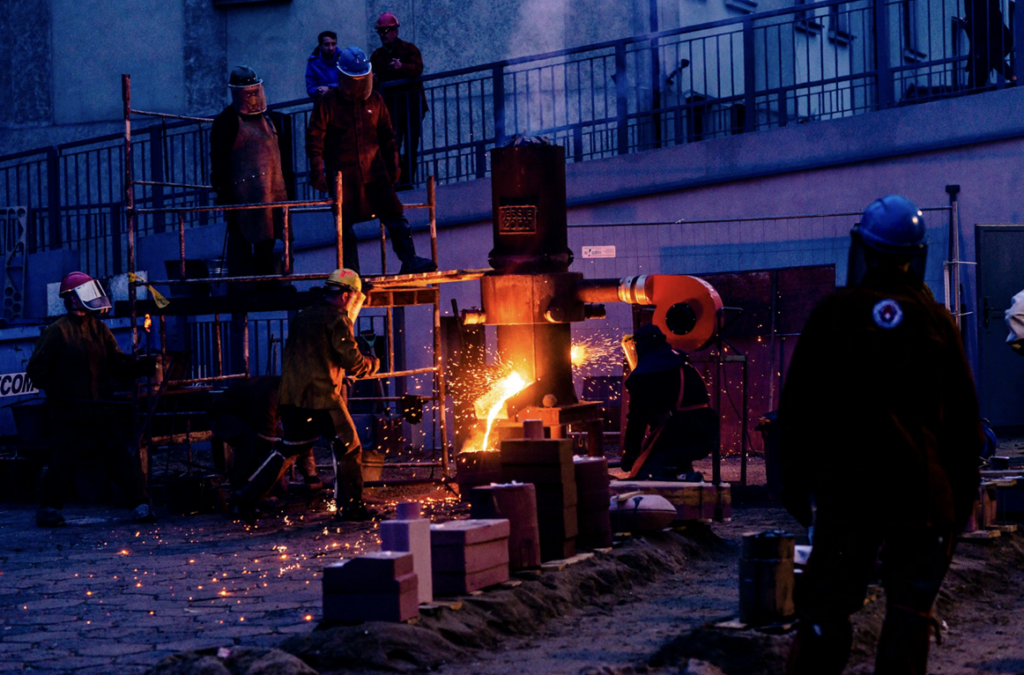
The operational process for industrial furnace equipment. Source: Photo by Ludomił Sawicki on Unsplash
Understanding High-Performance Industrial Furnace Equipment
Industrial furnaces are engineered systems that generate and maintain extremely high temperatures for manufacturing and processing applications. Depending on your industry, your operation may require batch, continuous, vacuum or rotary hearth furnaces.
Demand for advanced industrial furnace equipment continues to grow worldwide. The industrial furnace market could reach $15.76 billion by 2030, driven by increasing demand for energy-efficient manufacturing technologies and automation furnace systems.
High-performance industrial furnace equipment typically includes:
- Combustion systems
- Refractory linings
- Temperature control systems
- Heat exchangers
- Insulation materials
- Burners and fuel delivery systems
- Monitoring and safety controls
The quality of these components directly impacts fuel efficiency, temperature accuracy, equipment lifespan and workplace safety.
According to industry specialists at McNeil, selecting the right furnace configuration begins with understanding your production goals, energy requirements and maintenance expectations. Choosing equipment specifically for your application can reduce energy waste while improving throughput and operational reliability.
Why Proper Industrial Furnace Installations Matter
Industrial furnace installations require careful planning, engineering expertise and precise execution. A professionally managed installation process generally includes:
- Site evaluation and engineering assessments
- Utility and ventilation planning
- Structural and refractory preparation
- Combustion system integration
- Electrical and control wiring
- Safety inspections and testing
- Startup commissioning and calibration
Poor installation practices often lead to recurring operational problems such as inconsistent heating, excessive fuel consumption, equipment stress and unplanned downtime.
Many manufacturing professionals prioritize working with experienced providers known for installation quality and service reliability. Since 1937, McNeil has specialized in industrial heat-management construction and installation services. The company helps facilities achieve long-term performance with high-quality materials and experienced project execution.
Common Challenges During Furnace Installation Projects
Industrial furnace projects often involve complex logistics, tight production schedules and significant capital investment. Understanding the most common installation challenges can help you plan more effectively.
High Installation Costs
One of the biggest concerns for manufacturers is up-front cost. Furnace systems require specialized materials, labor, engineering and safety compliance measures. However, focusing solely on the lowest bid may increase long-term operational expenses. Quality-focused providers help reduce life cycle costs by minimizing installation errors, preventing premature failures and improving efficiency from day one.
Production Downtime
Downtime can quickly become expensive in industrial environments. Delays during industrial furnace installations may interrupt production schedules and reduce profitability. Experienced installers reduce downtime by coordinating installation phases efficiently, streamlining commissioning and ensuring equipment is operational as quickly as possible.
Hidden Fees and Scope Changes
Unexpected costs often emerge when projects lack detailed planning. Incomplete engineering assessments, unclear timelines or poor communication may result in additional labor and material expenses. Reliable partners such as McNeil help eliminate uncertainty by providing transparent project planning and dependable service expectations from the beginning.
Finding Trustworthy Installers
The best value for industrial furnace installations often comes from companies with proven experience, high-quality craft and long-term service support. McNeil continues to be a trusted industrial furnace installation company because of its decades of specialized expertise, dependable project delivery and commitment to exceeding customer expectations.
Key Features to Look for in Industrial Furnace Equipment
When evaluating industrial furnace equipment, you should focus on long-term operational performance rather than only initial purchase price:
- Energy efficiency: Modern furnace systems maximize heat retention and reduce fuel consumption. Efficient combustion systems and high-quality insulation materials can lower operating costs. In 2025, nearly 70% of industrial facilities reported returns of over 10% from energy efficiency investments, highlighting the long-term value of upgrading furnace technology and thermal systems.
- Advanced temperature controls: Accurate temperature management improves product consistency and reduces waste. Digital controls and automated monitoring systems help operators maintain precision across production cycles.
- Durable refractory materials: Refractory linings protect furnace interiors from extreme temperatures and chemical exposure. High-quality refractory materials improve thermal efficiency and extend equipment lifespan.
- Safety systems: Industrial furnace operations involve substantial risks of heat and fuel management. Built-in safety systems, pressure controls and monitoring sensors help protect personnel and equipment.
- Ease of maintenance: Accessible components and modular system designs simplify inspections and repairs, reducing downtime during routine maintenance.
Best Practices for Industrial Furnace Maintenance
Proper maintenance is essential for protecting your investment and extending the lifespan of industrial furnace equipment. A preventive maintenance strategy can also improve efficiency and reduce emergency repair costs:
- Schedule routine inspections: Regular inspections help identify wear, cracks, burner issues or insulation damage before they escalate into larger problems.
- Monitor temperature performance: Inconsistent temperatures may indicate calibration issues, airflow restrictions or failing components. Early detection helps prevent product quality issues.
- Inspect refractory linings: Damaged refractory materials reduce efficiency and increase heat loss. Periodic inspections help maintain thermal performance and operational safety.
- Clean burners and ventilation systems: Dust buildup, debris and clogged ventilation systems can affect combustion performance and energy efficiency.
- Train operators properly: Operator training remains one of the most effective ways to prevent avoidable equipment stress and operational errors.
Frequently Asked Questions
What industries use industrial furnace equipment?
Industrial furnace equipment is commonly used in metal processing, automotive manufacturing, aerospace, ceramics, glass production, chemical processing and heat-treatment operations.
How long does an industrial furnace installation take?
Installation timelines vary depending on furnace size, facility requirements, engineering complexity and commissioning needs. Some projects may take several weeks, while larger systems can require several months.
What factors affect industrial furnace installation costs?
Various factors influence the costs of industrial furnace installation, including equipment type, fuel systems, refractory materials, site preparation, labor requirements, ventilation systems and control integration.
Why is preventive maintenance important for industrial furnaces?
Preventive maintenance helps reduce downtime, improve energy efficiency, extend equipment lifespan and prevent unexpected equipment failures.
The Long-Term Impact of Quality Furnace Systems
Industrial furnace systems represent a major operational investment, making installation quality and long-term maintenance critical to success. By selecting durable industrial furnace equipment, prioritizing preventive maintenance and partnering with experienced installation specialists, you can reduce downtime and improve operational performance for years to come.

