
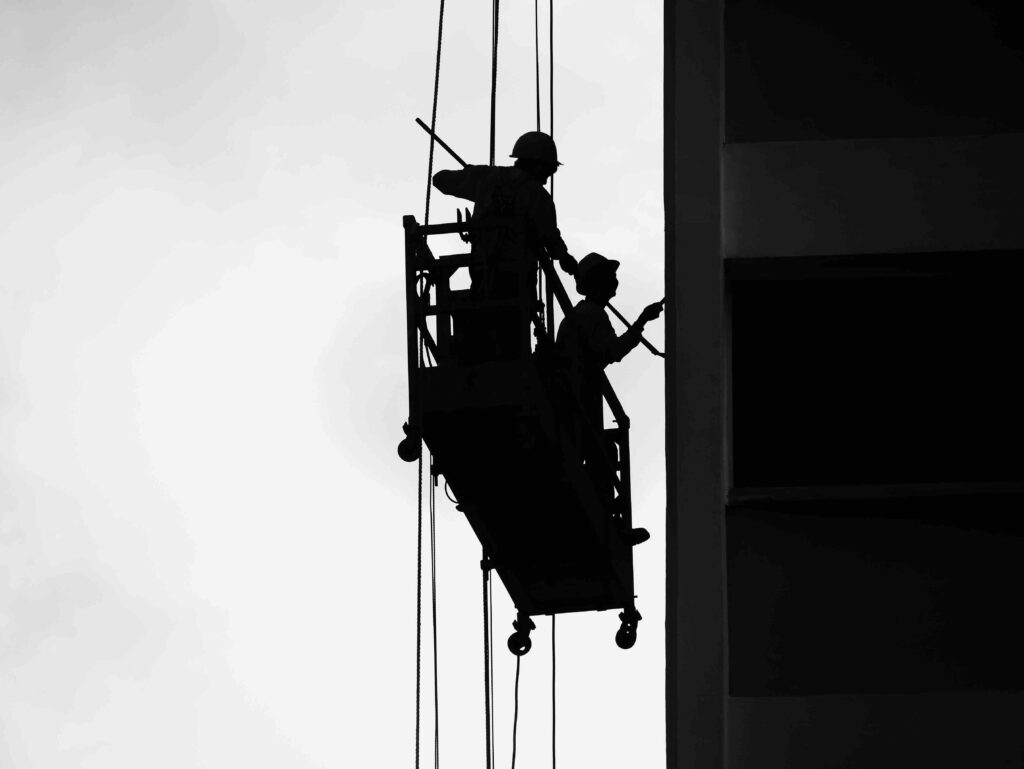
Steel erection doesn’t offer much room for error. Crews work on open structures with no floors, no walls, and often nothing beneath them but the ground several stories down. Comprehensive fall protection for steel erectors has to account for conditions that most other trades simply don’t encounter, since the work itself is built around exposed steel, shifting tie-off points, and constant movement across unfinished surfaces.
That combination of factors means planning can’t follow a generic template. What works on a jobsite with fixed anchors and predictable walking surfaces doesn’t necessarily translate to a crew connecting beams 40 feet high without a permanent structure to tie into yet.
Reading the hazards specific to open steel
Every steel erection job starts with a structure that isn’t complete. Beams get set before the decking goes down. Columns stand alone before cross-bracing ties them together. Workers constantly move across this unfinished framework, often walking narrow flanges or straddling beams while making connections.
Leading edges are one of the biggest concerns in these situations. An edge with no permanent guardrail, sometimes shifting position as work progresses, creates a fall hazard that moves along with the job itself. A crew connecting steel on one side of a building today may be working an entirely different leading edge tomorrow, which means the hazard assessment has to be revisited constantly rather than done once at the start of the project.
Sharp-edge exposure adds another layer to the planning. Steel members, bolts, and connection hardware pose a real risk to a lifeline or lanyard that isn’t rated for such contact. A line that drags across an unprotected edge during a fall can be cut or severely weakened at the exact moment it needs to hold. This is one of the clearer places where fall protection testing becomes relevant to actual field decisions, since equipment rated specifically for sharp-edge conditions has been evaluated against exactly this kind of failure point, not just testing without edge contact.
Swing falls deserve their own mention, too. When an anchor point sits off to the side rather than directly overhead, a fall doesn’t drop straight down. It swings, and that pendulum motion can send a worker into a column, a piece of equipment, or another structural member with enough force to cause serious injury, even if the fall itself gets arrested. Anchorage planning has to account for this by keeping tie-off points positioned to minimize that arc wherever possible.
Anchorage and lifeline decisions that reflect real jobsite movement
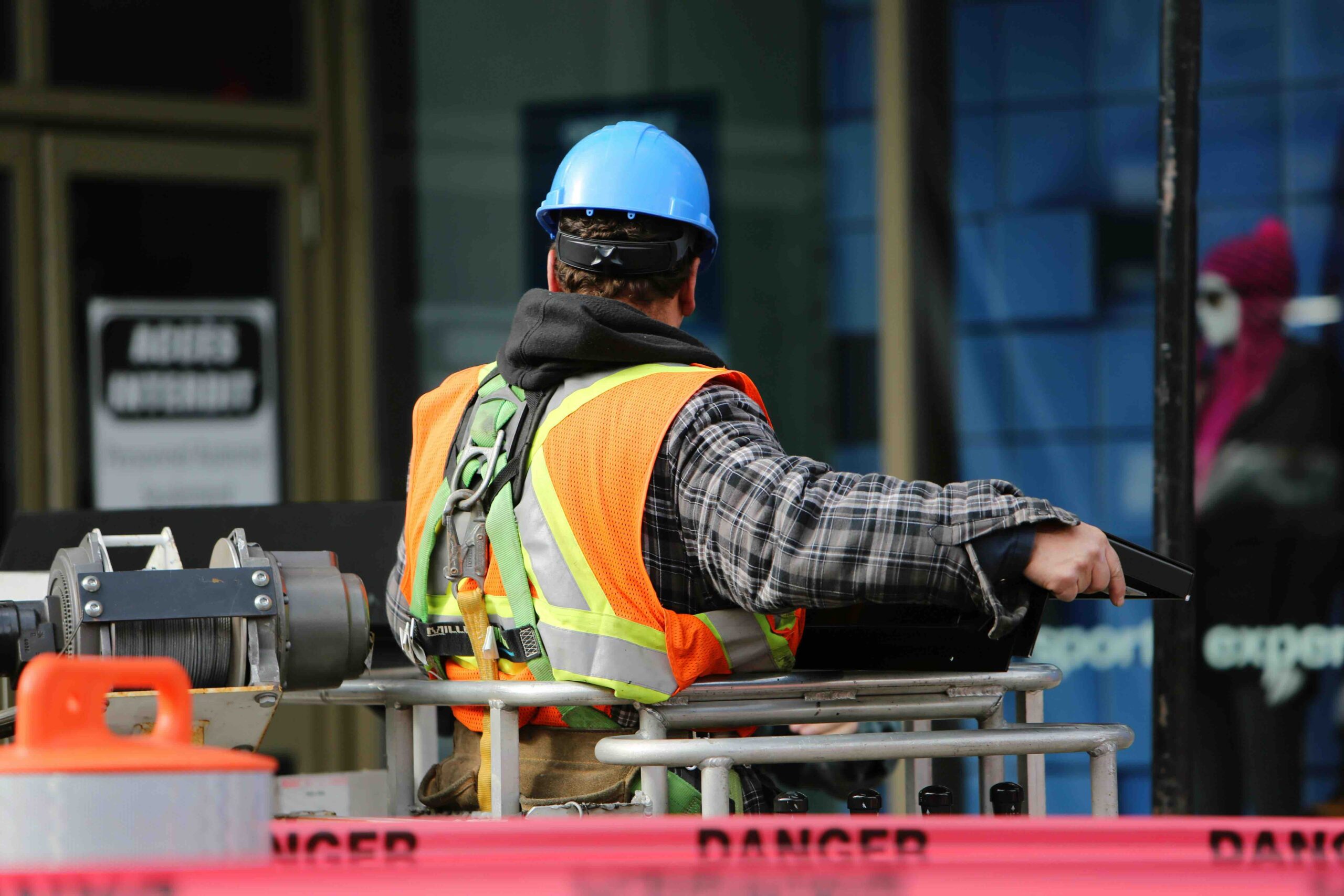
Because tie-off points change constantly during steel erection, choosing the right anchorage system matters as much as choosing the harness itself. A fixed anchor might work for a stationary task, but a crew moving continuously along a beam or across a bay needs something that keeps pace with them.
Self-retracting lifelines (SRLs) are built for these situations. Class 2 SRLs are designed for leading-edge applications and may be anchored at, above, or up to five feet below the user’s dorsal D-ring. Class 1 SRLs are intended for anchorage at or above the dorsal D-ring.
This is where well-made leading-edge SRL systems come into play. A Class 1 SRL rated for anchorage at or above the dorsal D-ring isn’t designed for that kind of loading and shouldn’t be substituted in, no matter how convenient it might seem at the moment.
Selecting the right lifeline also means thinking through clearance. Even the correctly rated equipment needs sufficient clearance below the work surface to arrest a fall before a worker hits a lower level or structural component. On a site with decking installed in stages, that clearance can change from one week to the next, which means it needs to be reassessed rather than assumed to still apply.
Rescue planning for a structure that isn’t finished
Rescue after a fall is complicated on any jobsite, but steel erection adds real logistical challenges. There may be no completed floor-to-stage equipment, no easy path to reach a suspended worker, and limited anchor points for a rescue team to use safely.
This makes advance planning essential rather than optional. Before work begins, someone needs to determine how a suspended worker would be reached in the structure’s current state, not its finished state. Equipment for retrieval needs to be on site and ready, and whoever is responsible for rescue needs to have practiced the process under conditions that resemble the real structure, not a training mockup with a completed floor and stairs.
Suspension trauma can develop quickly, making prompt rescue essential.
Matching equipment to the demands of the work
None of this planning means much if the equipment itself isn’t built for what steel erection actually demands. Gear tested under standard conditions doesn’t always hold up the same way against sharp edges, dynamic loading, or the kind of repeated connect-and-disconnect cycles that come with moving along open steel all day.
That’s why fall protection testing matters beyond a basic compliance checkbox. Equipment evaluated specifically for edge conditions, dynamic forces, and field-realistic scenarios gives crews confidence that gear will perform as needed when a fall actually happens, not just in a lab setting designed around ideal conditions. A harness, lanyard, or SRL that passes a standard test but hasn’t been evaluated against sharp-edge or off-angle loading may leave a dangerous gap between what’s certified and what the job actually requires.
Bringing the planning together
Steel erection puts crews in some of the most demanding fall protection conditions in the industry, and treating it with a generic safety plan doesn’t hold up against the reality of open structures, shifting tie-off points, and unfinished work areas. Careful hazard review, anchorage planning that accounts for swing-fall risk, lifeline selection suited to leading-edge exposure, adequate clearance, and a rescue plan grounded in the structure’s actual state all need to work together. Equipment suited to real jobsite conditions isn’t a bonus feature here. It’s the baseline requirement for keeping crews safe while the surrounding structure is still being built.

