
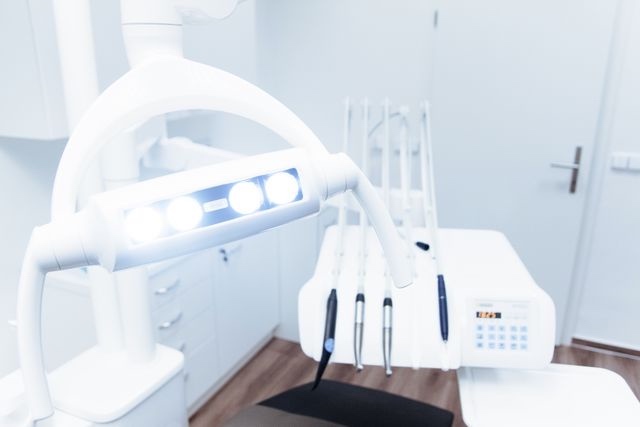
Technology has transformed almost every aspect of modern life. From industrial automation and smart infrastructure to advanced medical equipment, technological innovation continues to make processes faster, safer, and more efficient. Healthcare is one of the areas where these developments have had an especially noticeable impact.
Modern healthcare technology is not limited to hospitals and large medical facilities. Digital tools, advanced diagnostic equipment, precision manufacturing, and computer-assisted treatment methods are increasingly being used to improve routine healthcare services. These innovations can help professionals make more informed decisions while giving patients access to treatments that are more comfortable, precise, and convenient.
The Growing Role of Technology in Healthcare
Healthcare professionals rely on a wide range of technologies to diagnose conditions, plan treatments, monitor patients, and improve outcomes. Medical imaging systems, digital record management, automated laboratory equipment, and computer-assisted technologies have become important parts of modern healthcare.
One major advantage of these technologies is precision. Digital systems can collect and process large amounts of information quickly, helping professionals identify problems and develop appropriate treatment plans. Technology can also reduce the possibility of human error in certain repetitive or highly detailed processes.
Another important benefit is accessibility. Telemedicine platforms, online appointment systems, electronic prescriptions, and digital communication tools allow patients to interact with healthcare providers without always needing to visit a medical facility.
Digital Dentistry and Precision Treatment
Dentistry is another field that has benefited significantly from technological development. Traditional dental procedures have increasingly been complemented by digital tools that improve diagnosis, treatment planning, and the production of dental restorations.
Digital X-rays, intraoral scanners, computer-aided design, and computer-aided manufacturing allow dental professionals to work with highly detailed digital information. Instead of relying exclusively on traditional impressions and manual measurements, dentists can use digital scans to create accurate representations of a patient’s mouth.
These technologies can be particularly useful when replacing missing teeth. Dentures, for example, need to fit comfortably and securely while providing functional and aesthetic benefits. Modern manufacturing methods can help dental professionals create restorations that are designed around a patient’s individual anatomy.
Patients researching options such as Full & Partial Dentures Tarzana can benefit from understanding how modern dental technology contributes to the planning and creation of customized restorations.
Computer-Aided Design and Manufacturing
Computer-aided design (CAD) has become an important technology across numerous industries, including healthcare and dentistry. CAD software allows professionals to create detailed digital models before manufacturing a physical product.
In dentistry, digital models can be used to plan crowns, bridges, dentures, and other restorations. Once a design has been finalized, computer-aided manufacturing (CAM) technologies can help produce the physical restoration with a high degree of consistency.
The combination of CAD and CAM can reduce the amount of manual work required during certain stages of production. It can also make it easier to reproduce or modify designs when adjustments are necessary.
The same basic concept is widely used in industrial environments. Engineers create digital designs, analyze them using software, and then use automated machinery to manufacture components according to precise specifications.
3D Printing and Medical Applications
Three-dimensional printing is another technology that has expanded rapidly in recent years. Instead of removing material from a larger block, 3D printing generally creates objects layer by layer based on a digital model.
The technology has applications in manufacturing, engineering, prototyping, education, and healthcare. In medical and dental environments, 3D printing can be used to produce models, guides, prototypes, and certain customized devices.
One of the key advantages of 3D printing is flexibility. Digital designs can be modified relatively quickly, allowing manufacturers and healthcare professionals to create products for specific requirements.
As printing technologies continue to improve, their applications are likely to expand further. Better materials, increased precision, and faster production could make additive manufacturing increasingly valuable for customized healthcare products.
Automation and Improved Efficiency
Automation is another major technological trend influencing modern healthcare. Automated systems can perform repetitive tasks consistently, allowing skilled professionals to spend more time on activities that require human judgment and communication.
Laboratories, for example, can use automated equipment to process samples and perform measurements. Hospitals may use automated systems for inventory management, scheduling, monitoring, and data processing.
Automation does not necessarily replace human expertise. Instead, it can serve as a support system that improves efficiency and allows professionals to focus on more complex responsibilities.
The same principle applies across industrial sectors. Automated machinery, sensors, robotics, and control systems help manufacturers improve productivity while maintaining consistent operating standards.
Sensors and Real-Time Monitoring
Sensors have become essential components of modern technological systems. They can detect variables such as temperature, pressure, movement, humidity, flow, and electrical conditions.
In healthcare, monitoring devices can collect information about a patient’s vital signs and other health indicators. In industrial environments, sensors can monitor equipment performance and identify abnormal operating conditions.
Real-time monitoring can be particularly valuable for preventive maintenance. Instead of waiting for machinery to fail, operators can monitor performance data and identify potential problems before they become major failures.
This approach can reduce downtime, extend equipment life, and improve workplace safety.
Artificial Intelligence in Modern Systems
Artificial intelligence is becoming increasingly important in both healthcare and engineering. AI systems can analyze large datasets, identify patterns, and assist professionals with decision-making.
In healthcare, artificial intelligence can support areas such as medical imaging analysis, administrative automation, research, and personalized treatment planning. However, AI-generated information still needs appropriate professional oversight, particularly when decisions could affect patient health.
In engineering and manufacturing, AI can be used for predictive maintenance, quality control, process optimization, and demand forecasting.
The combination of AI, sensors, cloud computing, and automation is helping create increasingly intelligent systems that can respond to changing conditions with less manual intervention.
Why Data Matters
Behind many modern technologies is a large amount of data. Digital systems depend on accurate information to produce useful results.
Healthcare providers use patient information, imaging data, treatment histories, and laboratory results to support clinical decisions. Engineers and manufacturers use equipment data, production measurements, and performance records to optimize processes.
Data quality is therefore extremely important. Poor-quality or incomplete information can lead to inaccurate conclusions regardless of how sophisticated the technology may be.
Organizations also need to consider cybersecurity and privacy when collecting and storing sensitive information. Strong security practices are essential as more systems become connected to the internet.
The Future of Technology-Driven Healthcare
The relationship between technology and healthcare will likely continue to grow. Digital workflows, advanced manufacturing, artificial intelligence, robotics, and connected monitoring devices are creating new possibilities for personalized care.
For patients, the most valuable technologies are those that improve the quality, safety, comfort, or accessibility of healthcare. For professionals, technology can provide better information and more efficient tools for planning and delivering services.
At the same time, technology should complement rather than replace professional expertise. Human judgment, communication, ethics, and patient-specific considerations remain essential.
Conclusion
Technological innovation is changing how people work, communicate, manufacture products, and receive healthcare. From industrial automation and intelligent sensors to digital dentistry and 3D printing, these developments are making many processes more precise and efficient.
As technology continues to advance, the greatest benefits will come from combining innovative tools with skilled professionals and thoughtful processes. Whether in an engineering facility, manufacturing plant, laboratory, or dental practice, technology has the potential to improve everyday experiences while creating safer and more efficient systems.

