
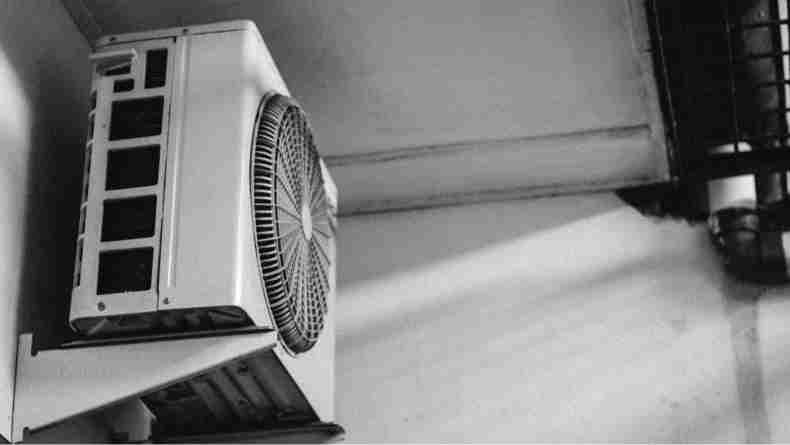
Think of your air conditioner’s copper tubes as its vital plumbing. They’re the silent highways carrying refrigerant – the lifeblood of your cooling system.
But here’s the challenge: even the tiniest leak at a connection point can cripple efficiency. Lost cooling power, skyrocketing energy bills, costly repairs, and a shortened system life – it all comes from poor joints.
Fortunately, there’s a solution: brazing. This isn’t just soldering or twisting pipes together. Instead, brazing creates a permanent, leak-proof metal bond between copper tubes. The secret weapon? Capillary action. When done right, heat draws molten filler metal deep into the microscopic gap between perfectly fitted tubes, creating an incredibly strong seal.
Mastering this essential skill isn’t magic. It relies on understanding a few core practices – cleaning, fit-up, and heat control – so let’s crack them open.
Three Keys to Successful Brazing
Rock-solid A/C copper joints rely on mastering three core fundamentals. Mess up just one, and you risk leaks, compressor failure, or blocked capillaries later. Here’s the critical trio:
Immaculate Cleaning: Your Non-Negotiable First Step
Grit, grease, or oxidation sitting on the copper surface? Forget good brazing. Microscopic impurities on tube surfaces will compromise the filler metal’s adhesion. Consider contaminants like refrigerant oil buildup, worksite debris, or persistent copper oxidation. You absolutely need a squeaky-clean surface.
How? Scrub the inner and outer tube surfaces within an inch of the joint thoroughly. Use dedicated HVAC sanding cloth or a clean stainless-steel brush.
Why HVAC-specific? Standard steel wool or dirty shop rags leave traces that contaminate the joint. Clean metal shines bright. If it’s dull, keep scrubbing. This step is the foundation everything else builds on.
Precise Joint Clearance: The Goldilocks Zone
How much space is between your perfectly fitted tubes? It’s not guesswork! That gap must be just right – ideally between 0.05mm and 0.15mm (0.002″ to 0.006″).
Too much space and the capillary action (the magic pulling force) gets weak. Filler metal just globs up on the outside instead of sucking into the joint (cold, weak joint). Too little space? Then the filler metal can’t flow in at all!
Achieving this needs the right tools: use a good quality flaring block or tubing expander designed for HVAC copper to form the joint. Don’t just hammer it open! Check the fit: Use an automotive feeler gauge or, ideally, a tapered plug gauge designed for HVAC joints.
A properly fitted joint should have slight resistance without being forced. Misaligned connections guarantee failure regardless of brazing skill.
Controlled Heating: Art and Science with a Torch
Applying heat seems simple? Wrong. Aiming your flame randomly on the copper melts parts you shouldn’t. The goal is even, controlled heating of the whole joint area. Focus the heat primarily on the thicker fitting (like a coupling or valve body), letting the heat flow into the tubes.
Move the flame constantly. Too little heat? The filler metal won’t melt properly or flow, creating a grainy, weak “cold joint.” Too much heat or staying in one spot? You’ll burn the copper, create ugly oxidation scale inside the tube, or even melt a hole in the thin tube walls!
The classic visual cue for HVAC work? Apply heat until the flux becomes transparent and the copper shows a deep reddish hue. Gently press the filler wire against the joint’s edge – keep it away from direct flame contact.
If the joint’s hot enough, the filler metal will instantly melt and be pulled deep inside by capillary action. Nail this visual cue, and you’ve unlocked perfect brazing.
Get these three fundamentals down cold, and your A/C joints will be bombproof. Next, let’s pick the right tools and materials.
HVAC Copper Tube Brazing Tools
Getting a perfect braze joint in HVAC work hinges on applying the right kind of heat effectively. For joining copper tubes, you typically have two main contenders: Flame Brazing and Induction Brazing.
Each has clear strengths, weaknesses, and best-fit situations in our field. Understanding their core differences lets you pick the smartest tool for every repair or installation job.
Flame Brazing: The Field Tech’s Friend
The classic method. You use a torch fueled by oxygen combined with acetylene (hottest, most common) or propane (often preferred for softer flames).
- How it works: Directly applying the flame heats the copper joint.
- Pros: The setup is simple, affordable, and portable. It fits easily in a service truck and works anywhere. Great for tight spaces or odd angles common in installations and repairs.
- Cons: Requires significant skill to avoid overheating one spot or scorching components. Open flame demands serious fire safety (protect surroundings!). Temperature control is done by eye and feel.
- HVAC Fit: It’s the go-to method for most onsite repairs and installations. Essential for technicians working on rooftops or cramped attics.
Induction Brazing: Factory-Focused Precision
High-tech efficiency. A special coil placed around the joint uses high-frequency alternating current.
- How it works: This creates an electromagnetic field inducing heat directly within the copper tubes themselves.
- Pros: Heating is super fast, highly focused (only where the coil is), and very controllable. Tiny heat-affected zone minimizes tube warping or oxidation inside the pipe. Flame-free operation means cleaner results and enhanced safety in regulated environments.
- Cons: The equipment cost is high. Demands electrical supply and specially sized coils for every joint configuration.Less flexible for awkward positions.
- HVAC Fit: Primarily used in manufacturing plants building units like coils or compressors, or by large, well-equipped service centers prioritizing speed and consistency on high-volume repairs.
The Decisive Factor? Match your tools to the task: portability and versatility for fieldwork = Flame Brazing; speed and precision in controlled settings = Induction Brazing.
Core Materials: Picking Your Filler and Flux
Choosing the right brazing materials is non-negotiable for leak-proof joints. Focus on these two essentials:
Filler Metal:
Copper-to-Copper? (Most Common): Use Phosphorus-Copper alloys (like Silfos/BCuP). They’re cost-effective, self-fluxing to an extent, and perfect for joining copper tubes and fittings.
Copper-to-Steel? (Valves, Compressors): You MUST use Silver-based filler alloys (BAg). Nothing else reliably bonds these dissimilar metals. They offer superior wetting and flow.
Warning: Avoid soft solder for refrigerant line connections at all costs!
Flux:
Flux cleans surfaces during heating, prevents new oxidation, and helps the filler metal flow smoothly. Always apply a thin, uniform coat of paste flux to all cleaned joint surfaces immediately before brazing. Paste is easiest for HVAC field work.
But the best tools and materials mean nothing without the right technique. Now, let’s walk through the critical steps to put it all together.
HVAC Copper Tube Critical Brazing Process
Successfully joining copper tubes means following a disciplined sequence. Here’s your essential brazing process for HVAC reliability:
Step1: Prep & Clean
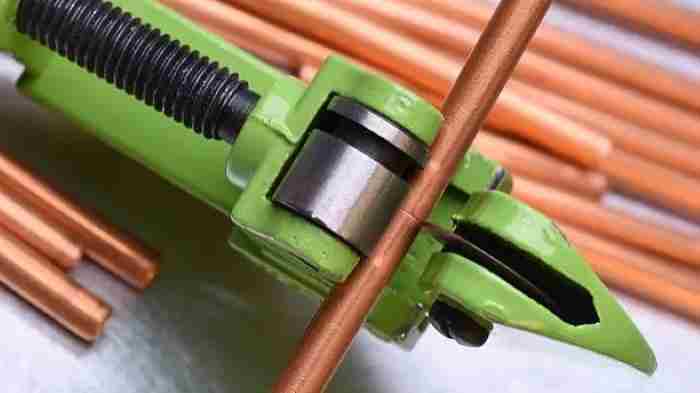
Make precise, perpendicular cuts with a properly sharpened tube cutter. Remove all inner and outer burrs! Form your joint correctly: use a quality flaring tool for flares or the right expander for cup/socket joints. Get this step wrong, and your clearance fails.
Now, CLEAN: This is make-or-break. Vigorously scrub both the inside of the fitting and the outside of the tube end (about 1 inch deep) using HVAC sanding cloth or a new stainless steel brush. Remove every trace of oil, dirt, and oxidation until the copper shines brightly.
Apply paste flux to all cleaned surfaces immediately. Don’t let it sit! Gear up: wear safety glasses, gloves, and protective clothing.
Step2: Assembly & Fit-Up
Insert the tube straight and fully into the fitting. Push it all the way in until it bottoms out. Check the gap! Does the fit feel properly snug?
Verify proper spacing with precision gauges – tapered plugs work best – ensuring the critical 0.05-0.15mm tolerance. Too tight? Redo the tube end. Too loose? Replace the fitting. Incorrect clearance guarantees a poor joint.
Step 3: Nitrogen Purging
Why? It’s Essential! Intense heat will corrode the tube interiors if you skip this step. This flakes off later as black copper oxide powder (“black death”) – kryptonite for filters, expansion valves, and compressors. Avoid expensive callbacks: purge!
How: Connect dry nitrogen to a low-pressure regulator at 0.5-3 PSI (0.035-0.2 bar). Run the nitrogen line to one system access point (e.g., service valve). Let nitrogen flow gently through the system throughout heating and cooling.
Use a small opening downstream (like another valve’s port, capped with a flow-indicating device if needed) to ensure a visible but very slight positive pressure escapes past your joint. This continuous flow shields the copper interior. Maintain nitrogen flow continuously until the connection fully cools down.
Step 4: Heating & Filler Application
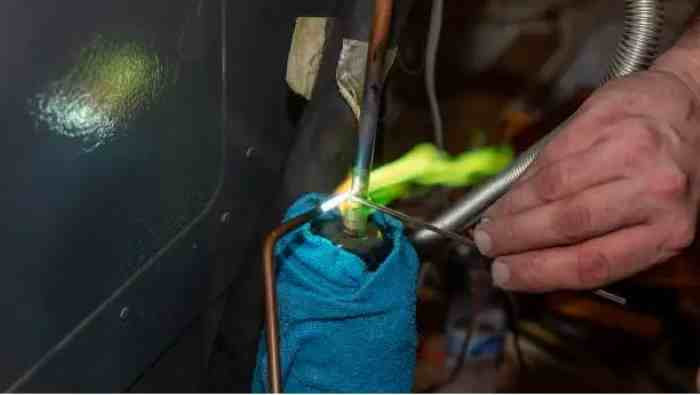
Flame Brazing (Torch):
- Maintain a pure, balanced flame. Properly tune it (distinct blue core, no yellow flare).
- Sweep the flame steadily around the fitting (the heavier part), not just the tube. Focus on the fitting body.
- Watch the flux: it melts, becomes transparent, bubbles slightly, and acts like a liquid indicator.
- Keep heating until the flux area shows a consistent dull cherry red glow (approx 1450°F / 790°C). Avoid bright orange or white!
- Touch the filler wire tip to the joint seam, letting the hot copper melt it. Never melt the wire in the flame! Capillary action will instantly suck the molten filler into the gap around the entire joint circumference. Apply just enough filler metal to form a smooth, concave fillet.
Induction Brazing:
- Position the coil evenly around the joint, ensuring good coupling.
- Activate the unit. Heating is rapid. Observe the flux transformation to transparent liquid.
- Add filler metal manually (if solid wire) or rely on pre-placed rings when the joint reaches the target temperature. Capillary action should spread the liquid filler metal uniformly throughout the joint.
Critical Goal for Both: Achieve even heating. Verify the molten filler spreads uniformly throughout the connection. Control heat carefully – too much causes defects, too little creates poor adhesion. Less filler is usually better than too much glob.
Step 5: Cooling & Cleanup
Cool Naturally: Remove the heat source. Let the joint cool completely undisturbed at room temperature. Never quench with water or force-cool! This prevents cracks. Maintain nitrogen flow until the joint loses its red color and feels warm, not hot to the touch (~hand-warm).
Cleanup Time: Once cool, grab a damp rag (or damp rag with diluted flux remover for stubborn residue) and thoroughly wipe off all traces of used flux from the outside of the joint. Flux residue is corrosive and can lead to pipe leaks later!
Cooled down and cleaned up? Great. But hold on – your work isn’t done yet. A joint that looks perfectly formed doesn’t guarantee it is perfect internally or leak-free.
Before closing up the system or patting yourself on the back, two critical steps remain: thoroughly checking the joint quality and ensuring the safety of everyone working around it.
Quality & Safety Essentials
Quality Inspection: A good braze shows smooth, concave fillets of filler metal all around the joint. Red flags? Cracks, pits, gaps, severe discoloration (like blue/black), or filler metal just sitting on the surface (sign of cold joint).
But sight isn’t enough! You MUST perform a pressure/leak test on the entire connected system using dry nitrogen followed by a deep vacuum test and decay check. No alternative methods can reliably validate proper sealing.
Safety First: Hot components stay hot long after brazing! Always wear heat-resistant gloves, safety glasses/face shield, and protective clothing. Keep work areas well-ventilated to exhaust dangerous vapors produced during the brazing process.
Keep flammable materials far away and have a fire extinguisher ready. Handle gas cylinders and electrical tools with proper care. Never compromise safety.
Conclusion
Proper copper tube brazing is essential for reliable HVAC performance. Remember the core: perfect cleaning, exact joint clearance, and controlled heat. Always use nitrogen purge. Master these non-negotiable steps.
Strong, leak-free brazed joints ensure system efficiency, prevent costly failures, and guarantee long-term operation. Demand quality brazing – it’s your system’s lifeline.

