

The emergence of advanced technologies such as wearables, Artificial Intelligence (AI), and data collection technologies has changed the way that coaches develop their strategy and the way that players prepare for games. The use of these technologies in professional sports is no longer an opportunity for teams to gain a competitive advantage, but a need. Over the last ten years, a number of technological advances have emerged that were once considered to be the domain of science fiction and fantasy for professional sports teams and players.
Data Analytics and Strategic Decision-Making in Football
The subjective nature of scouting has now largely been replaced with the use of more detailed data analysis to provide a measure of the performance of both individual players and the team in the matches that they played. Clubs like Manchester City with Pep Guardiola and Liverpool under Jürgen Klopp have been some of the leaders in implementing positional data into their teams to create specific soccer tactics that take advantage of the available space within their opponent’s team formation.
Furthermore, clubs from numerous top-flight leagues from all over the globe are implementing these strategies in their teams in their entirety, and even clubs within lower leagues around the globe are implementing their own versions of these resources in order to prepare for each international soccer match that they will encounter. Fans can utilize Melbet AZ to keep up with the detailed statistics of each of these teams and how they have adapted to the different tactics of their opponents. Furthermore, coaches can use these statistics to prepare for their own matches by simulating the outcomes of different strategies to determine the strategy that will provide them with the statistically expected and optimal chance of winning their matches based upon these empirical data statistics.
Data-driven tactical strategies focus on several metrics to assess the performance of players in the midfield:
- Pass Completion Under Pressure determines the midfielder’s ability to retain possession under pressure from opponents.
- PPDA determines the number of passes completed in a team’s pressing strategy in the opponent’s half of the pitch.
- Progressive Carries measure the distance a player advances the ball towards the opponent’s goal line.
Wearable Telemetry and Injury Prevention
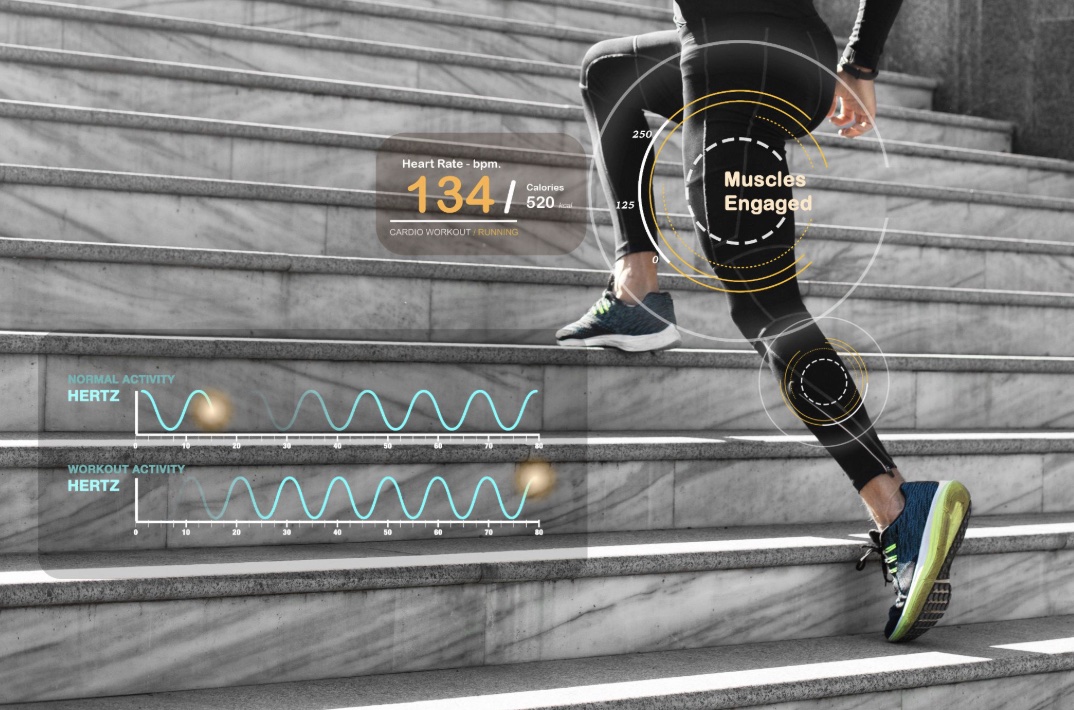
Modern athletes are subjected to an increasingly higher level of physical demand than ever before. For that reason, innovative tools and technology exist for the purpose of measuring an athlete’s physiological stress. Many athletes wear wearable fitness trackers or GPS vest systems that measure their performance through multiple metrics including metabolic power, distance run at high intensity, and heart rate variability. In order for sports scientists to be able to view this data in its raw form directly from their smartphones, they require direct access. By accessing the Melbet apk, sports scientists can immediately access all of the current stats being fed live to the system as well as shift factors. Immediate sync enables coaches to send tactical advice to the players in the dugout instantly, which would enable them to make quick decisions regarding player workload prior to injury due to fatigue affecting the outcome of a critical derby match.
- Load Management: Micro-sensors track mechanical stress to alert medical staff when an athlete approaches the threshold of soft-tissue injury.
- Biomechanical Analysis: Accelerometers measure the symmetry of a player’s stride, identifying hidden compensations that indicate fatigue.
- Tactical Synchronization: GPS data is overlaid with video footage to evaluate whether a player maintained the correct defensive positioning during specific match phases.
Fan Engagement and the Digitalization of Stadium Infrastructure
Modern arenas like the Baku Olympic Stadium have turned traditional sports venues into full-service digital destinations for spectators through new technology. The modern arena also utilizes IoT infrastructure and Wi-Fi systems with a very large number of users to provide services such as crowd control, automated ticketing services, and customized information for each fan at that event.
Operational Impact of Digital Infrastructure in Modern Sporting Venues
| Technology Component | Primary Operational Function | Impact on Sports Ecosystem |
| Biometric Access Control | Accelerates stadium entry via facial recognition and digital ticketing. | Reduces venue congestion and enhances security parameters. |
| Automated Camera Systems | Tracks ball and player movements without manual operators. | Provides multi-angle broadcast feeds and instant replay data. |
| Smart Concession Systems | Leverages predictive algorithms to manage food and merchandise inventory. | Optimizes stadium revenue streams during peak match intervals. |
Automated Officiating and the Preservation of Fair Play
Perhaps one of the most visual uses of technology in the sport of football has been in the automation of refereeing. Systems like the Video Assistant Referee (VAR) and the Semi-Automated Offside Technology (SAOT) have helped to reduce the potential of human error in officiating football games. Using their own camera and chip-in-ball technologies, referees’ organizations can measure the points of contact and the positions of the players with precision to the millimeter.

