
Automation equipment relies heavily on aluminum parts. As robotic systems get smaller and more mechanically advanced, their components often come with challenging features like deep pockets, thin walls, intersecting holes, and complex surfaces angled in multiple directions. These intricate designs can be tough to handle with traditional machining methods.
Consistently producing these parts isn’t just about having the latest machines—it requires a blend of machining know-how, precise process control, smart fixture design, and solid quality management. WayKen delivers precision aluminum components that meet the high standards of accuracy, reliability, and repeatability.
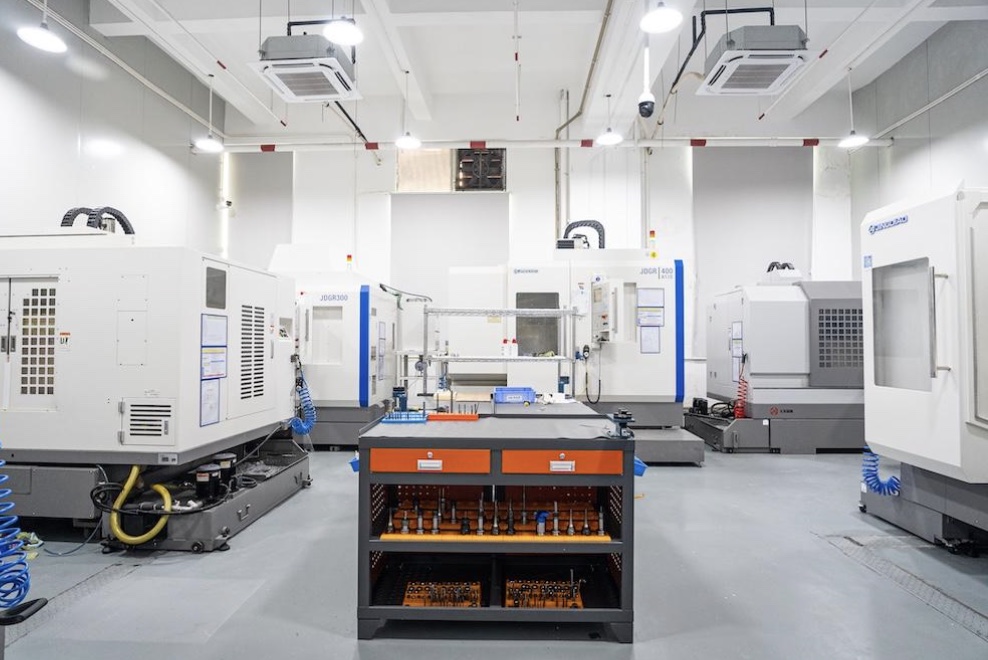
Advanced 5-Axis CNC Equipment for Aluminum Automation Parts
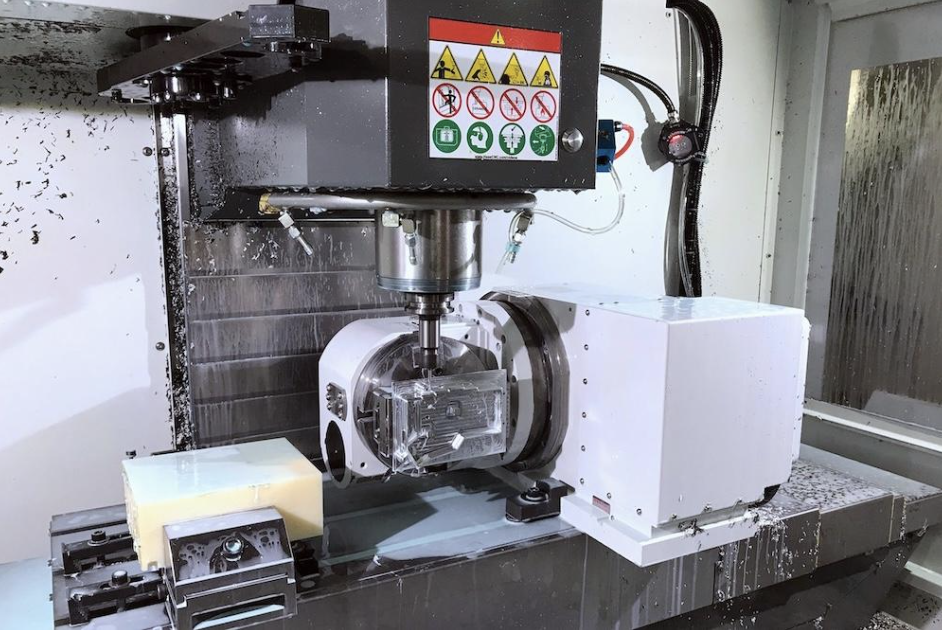
Many aluminum automation components have multi-surface features, compound angles, under cuts, and deep cavities. These geometries often require multiple setups and repositioning, which can lead to dimensional variations. Advanced 5-axis CNC machining overcomes these challenges by enabling simultaneous motion along multiple axes, thus maintaining ideal cutting orientations throughout the operation.
Wayken currently has several state-of-the-art high speed 5-axis CNC machining center models. Wayken’s production capabilities are available for a wide variety of automation components, from sensor bracket mount to large robotic arm connectors, and even full frame assemblies for automation systems. When producing aluminum automation components, Wayken produces each component up to an accuracy of ±0.001 inch, when specified by customer design requirements.
Machining automation equipment with thin-walled structures are susceptible to vibration, chatter, and deflection caused by cutting forces. Wayken can develops custom machining strategies based on optimum spindle speeds, feed rates, tool engagement parameters and cutting depths. Additionally, rigid fixturing systems and solid workholding techniques are used to maintain stability of the structure during the machining process.
Finally, toolpath sequencing is developed to remove material at a rate that maintains equilibrium between material removal and minimizes stress accumulation during the machining cycle.
Engineering Expertise for High-Precision Aluminum Components
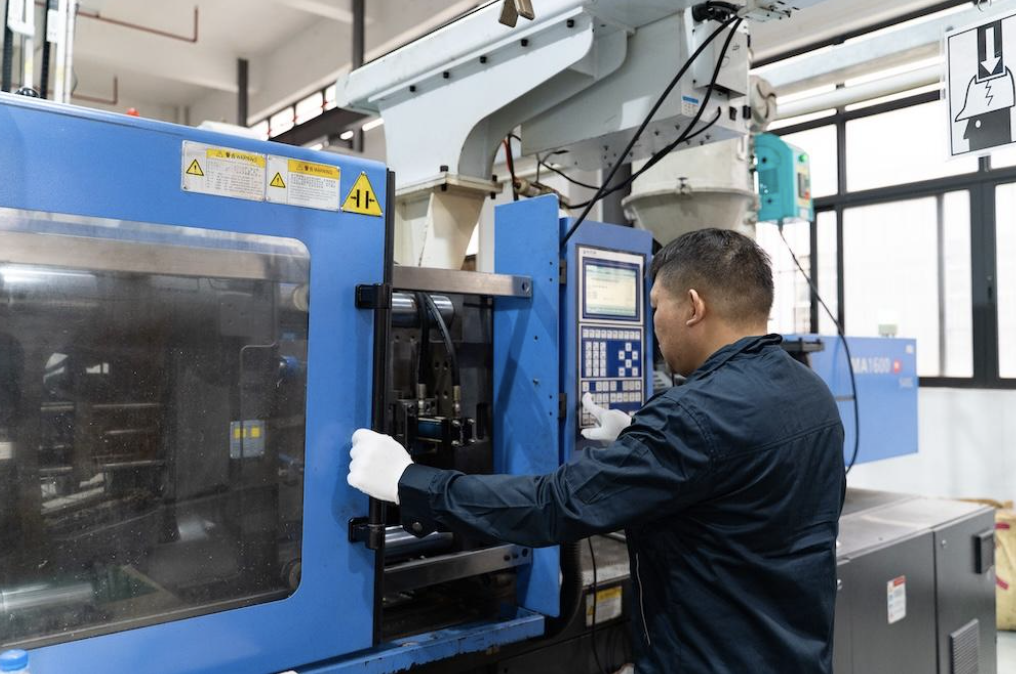
Engineering expertise works hand-in-hand with equipment capabilities to overcome the unique challenges of precision aluminum component manufacturing.
WayKen’s engineering team provides design for manufacturability (DFM) reviews to assess each component for potential issues related to the manufacturability of aluminum automation components. The DFM review examines specific issues such as minimum wall thickness requirements, structural integrity in heavily drilled regions and feasibility of using lightweight design features such as weight reduction pockets. The review also identifies features that could potentially lead to excessive tool deflection, vibrations, and dimensional instability prior to beginning production.
In addition to providing a review of the DFM, WayKen’s engineers develop custom programming strategies that take into account the unique characteristics of machining aluminum. While aluminum offers excellent machinability, high speed cutting processes can create undesirable conditions such as chip recutting, built-up edge formation and inconsistent surface finishes if proper optimization of toolpaths has not been implemented.
The fixture design is also a very important consideration when producing automation components featuring irregular geometries or limited clamping surfaces. Custom fixtures are designed to provide sufficient support while allowing optimal access to all necessary machining features. Fixture positioning accuracy, repeatability, and vibration control are all evaluated during fixture design to ensure dimensional consistency across production lots.
By integrating the knowledge and skills provided by their engineering department with their machining capabilities, WayKen is able to efficiently produce extremely complex aluminum automation parts.
Comprehensive Quality Management for Reliable Production
Quality consistency of production relies on process control from beginning to end of the production chain as opposed to only checking for quality after the part has been completed.
WayKen’s quality control process begins with a design for manufacturability (DFM) review/contract evaluation to ensure that all technical requirements, tolerance limits, and customer specified requirements have been met prior to commencing manufacture. The purchasing order verification and production planning reviews within the PMC system assure the availability of raw materials, the capabilities of machines and the adequacy of schedules.
Inspection of incoming materials assures compliance with specifications, certification, and requirements of each project prior to commencement of production. In-process sample inspection and quality control (IPQC) are performed to monitor critical dimensions, geometric tolerances and machining performance throughout the course of manufacturing operations.
Of particular concern are thin-walled structures, irregular geometries, precision bores, threaded features and other multi-featured components requiring tight dimensional control. Monitoring processes provides early detection of potential variations that could impact subsequent operations.
Prior to shipping from WayKen facilities, final inspection and outgoing quality control (OQC) procedures verify the dimensional accuracy, geometric conformity and surface finish. When required, inspection reports, measurement records, material certifications etc., supporting documentation related to traceability and compliance are provided.
Conclusion
Creating complex automation parts for aluminum is more than just having precise machines. A successful process will require a team to integrate together best 5-axis CNC machining techniques, manufacturing analysis from an engineer’s point-of-view, optimal programming techniques, custom fixtures or tooling and strict quality control. Through this combination, WayKen machining capabilities support the reliable production of lightweight, high-accuracy aluminum components that meet the demanding performance requirements of modern automation equipment and systems.

