
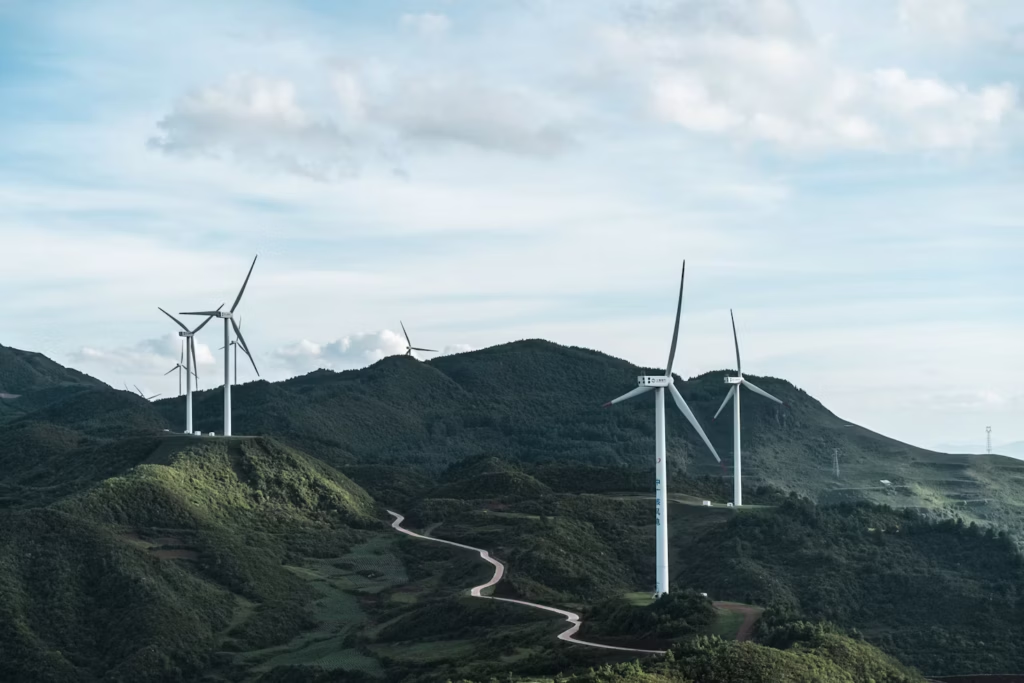
Wind energy infrastructure continues expanding across offshore and onshore environments. Turbine technicians regularly work around electrical systems, hydraulic components, rotating mechanical equipment, and elevated access structures. These environments require strict operational procedures and coordinated safety preparation. Companies responsible for turbine installation and long term maintenance therefore rely heavily on GWO certification. Personnel working inside wind energy environments must understand rescue procedures, working at height requirements, fire response expectations, and emergency coordination protocols before participating in turbine construction, inspection, or maintenance activities.
Safety preparation before turbine access
Wind turbine access introduces operational conditions that differ significantly from many conventional industrial environments. Technicians frequently climb internal tower ladders, transfer equipment through confined nacelle spaces, and work at significant heights where emergency evacuation procedures become more complex. Offshore wind operations create additional challenges connected to vessel transfers, weather exposure, and delayed emergency response times. Turbine operators therefore require personnel to understand fall protection systems, rescue expectations, communication procedures, and emergency response responsibilities before deployment begins.
Personnel entering these operational environments are expected to complete programs leading to GWO certification so they understand the practical safety procedures connected to working at height, first aid response, fire awareness, manual handling responsibilities, and rescue coordination inside active turbine operations. Standardized preparation also supports safer maintenance scheduling and operational coordination. Technicians arriving on site already understand the procedural expectations used during both routine maintenance activities and emergency situations involving evacuation or rescue operations.
Technical responsibilities across wind energy environments
Modern wind turbines combine mechanical, hydraulic, and electrical systems that require technicians to work within tightly controlled maintenance environments. In these settings, procedural accuracy directly affects operational reliability and personnel safety. Maintenance teams regularly perform inspections around energized components, hydraulic pressure systems, bolt tightening assemblies, and rotating equipment. At the same time, they also manage tooling procedures and communication with operational control teams.
Technical knowledge alone does not fully prepare personnel for turbine environments. Maintenance activities frequently involve elevated work locations and emergency response expectations that require strong situational awareness throughout the work process. Operational coordination also becomes increasingly important during large scale wind farm projects where contractors, inspection teams, turbine operators, and maintenance specialists may work simultaneously across multiple turbines within limited service windows.
Emergency situations involving fire incidents, rescue procedures, medical response, or weather related shutdowns require personnel to follow standardized communication structures that reduce confusion and support faster operational decision making. Shared safety preparation therefore contributes both to workforce protection and broader operational continuity during maintenance and inspection campaigns.
Long term workforce readiness in the wind sector
The technical demands placed on wind energy personnel continue evolving as turbines become larger, offshore installations move further from shore, and maintenance operations require broader specialization across several engineering disciplines. Technicians therefore need recurring refresher preparation to remain familiar with rescue procedures, updated safety expectations, and changing operational standards connected to turbine maintenance environments.
Registration systems such as WINDA help support workforce continuity by allowing employers and project operators to verify training validity and maintain clearer oversight of personnel readiness across long term projects. Employers also encourage technicians to expand their operational capabilities through specialized GWO courses. These programs cover advanced rescue preparation, technical maintenance responsibilities, and sea survival procedures. Many courses also combine theoretical instruction with practical exercises. This broader training approach supports workforce mobility across both offshore and onshore wind projects. It also helps technicians adapt more effectively to increasingly complex operational environments.
Safety preparation supporting modern wind operations
Wind energy infrastructure depends heavily on technicians capable of operating safely within highly regulated and technically demanding environments. Rescue preparation, operational discipline, and emergency coordination all remain closely connected to long term asset reliability. Turbine operators and maintenance contractors increasingly rely on structured safety preparation that ensures personnel understand both the engineering systems they maintain and the emergency procedures required to work safely around those systems. FMTC supports these industry requirements through certified wind energy safety programs designed to prepare technicians for the operational realities connected to modern wind turbine environments.

