
Industrial facilities face persistent challenges from poorly insulated furnaces that drain efficiency, drive up operational costs and expose infrastructure to structural wear caused by uncontrolled heat fluctuations.
McNeil, a trusted authority in high-temperature materials, provides insights into how advanced solutions in industrial heat management address these critical pain points.
Extending Equipment Uptime Through Thermal Shock Resistance
Temperature-related damage to machinery cuts into productivity while forcing expensive emergency repairs that halt production lines. Advanced ceramic fiber materials offer a solution through their remarkably high thermal shock resistance, which McNeil demonstrates correlates to shorter maintenance windows and faster return to full operation.
Because these fibers withstand rapid temperature swings without degrading, machinery needs far less cooling time before technicians can safely begin maintenance. Once repairs are complete, the same heat-stable properties allow systems to reach optimal operating temperatures faster than traditional insulation does. Plants using this technology spend more time producing revenue rather than waiting for systems to cool or reheat between production runs.
The Manufacturing Science Behind Alumina Silicate
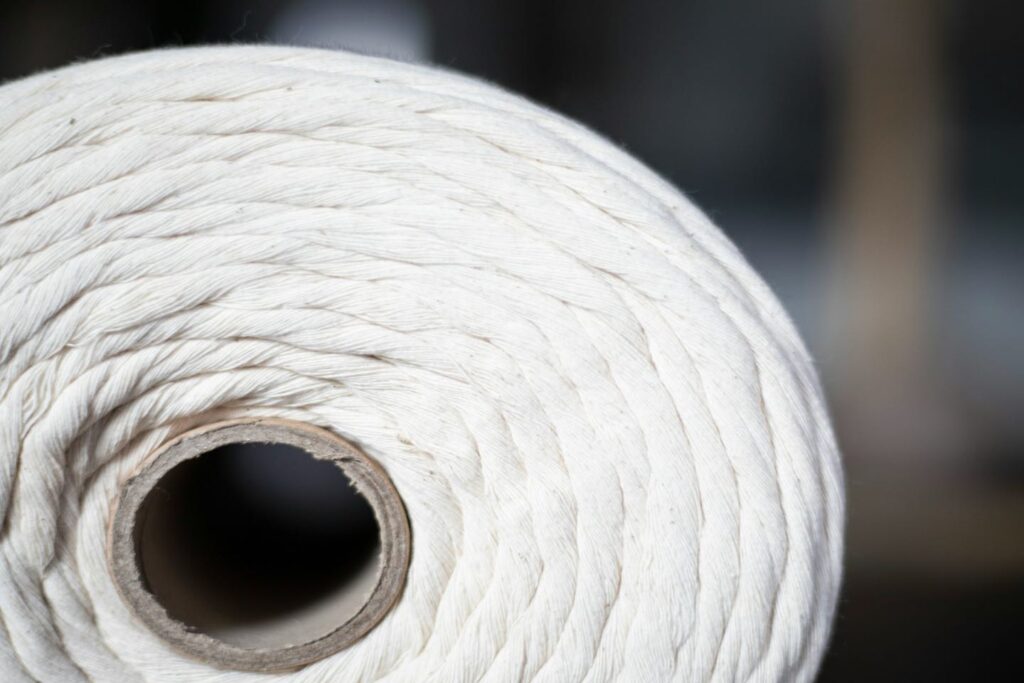
Ceramic fiber products qualify as refractory materials composed of microscopic alumina silicate fibers. McNeil explains that alumina silicate offers excellent heat resistance and low thermal conductivity, making it ideal for high-temperature use across various industrial applications.
Production begins when aluminum and silicon melt together inside a furnace. Once molten, the mixture receives a quick blast of air that cools and separates it into individual strands. Manufacturers then weave these strands together to create heat-resistant fabric suitable for demanding thermal environments.
These manufacturing processes produce various forms, including paper and board products that address the need for lightweight insulation. Paper variants remain extremely thin while maintaining heat resistance, chemical stability and corrosion resistance. Board forms offer more rigidity than fabrics yet stay flexible and lightweight, providing durability without adding excessive weight to industrial systems.
Maximizing Efficiency and Protecting Infrastructure
Industrial operations face a dual challenge when inadequate insulation allows heat to escape. Fuel expenditures climb as personnel burn more energy to compensate for losses, while the constant temperature stress accelerates physical wear on expensive machinery.
Modern fibrous insulation addresses both problems simultaneously through superior energy retention that reduces consumption while protecting assets from thermal degradation.
Drastic Reductions in Energy Consumption
Legacy furnace designs create uneven temperature zones, forcing workers to overheat entire systems to maintain minimum thresholds in cooler areas.
Researchers testing prototype ceramic furnaces through experimental and numerical methods found that properly loaded units delivered vastly superior temperature uniformity across all zones. In fact, facilities implementing this technology could reduce energy consumption by 83% compared to conventional designs, while carbon dioxide emissions dropped by more than 87% across tested scenarios.
Consistent heat distribution also prevents the formation of hot spots and cold zones that compromise product quality during manufacturing. Teams achieve more reliable outcomes without needing to compensate for temperature variations that would otherwise create defects.
Companies facing regulatory pressure to lower their carbon footprint find this dual benefit particularly compelling. The same upgrade that cuts operational expenses also addresses environmental compliance requirements without forcing a choice between profitability and sustainability.
Defending Against Corrosion and Volume Changes
Phase change materials offer high energy storage density for waste heat utilization systems, yet leakage and severe degradation during thermal cycling limit their practical reliability. Ceramic-based composites overcome these vulnerabilities with superior resistance to rust and strong interfacial bonding for effective integration with storage media.
High thermal conductivity enables these composites to transfer heat rapidly throughout storage systems, avoiding the bottlenecks common in other materials. Combining latent heat storage capacity with sensible heat produces a high density while maintaining the structural integrity necessary to avoid failures during peak-demand periods.
Volume expansion and contraction from repeated heating and cooling cycles no longer damage seals and connections when ceramic fiber insulation protects critical components. Continuous-operation industries find this reliability especially valuable because unplanned maintenance triggers cascading production delays, multiplying costs far beyond immediate repairs to include lost output, missed deliveries and potential contract penalties.
Frequently Asked Questions
Personnel evaluating ceramic fiber technology often seek clarity on specific performance aspects before committing to system upgrades. Understanding how these materials function across different applications helps decision-makers assess whether the investment aligns with their operational requirements and delivers meaningful returns over the equipment’s lifespan.
What is the primary purpose of ceramic fibers in industrial heat management?
Advanced insulation materials create stable thermal barriers that prevent heat loss in high-temperature environments where furnaces, boilers and kilns operate. By maintaining consistent temperatures without excessive energy consumption, these solutions lower fuel expenses while extending machinery’s life cycle.
The combination of reduced operating costs and longer asset life improves overall return on investment for companies implementing the technology.
How does thermal shock resistance improve equipment longevity?
Machinery protected by materials that withstand rapid temperature fluctuations experiences significantly less structural damage throughout its operational life. Because startup and shutdown cycles proceed without creating stress fractures or degradation, companies avoid the expensive component replacements that typically result from thermal damage.
Maintenance teams benefit from this durability as well, spending less time addressing failures because the insulation shields critical parts from heat-induced stress.
Why does consistent temperature distribution matter for manufacturing quality?
Uneven heating creates hot spots and cold zones that compromise product consistency during manufacturing processes. When ceramic fiber insulation promotes uniform temperature distribution across furnace zones, it eliminates the variations that would otherwise cause defects in finished products.
Production teams then achieve more predictable outcomes without constantly adjusting their processes to compensate for temperature fluctuations that undermine quality control efforts.
Can lightweight materials truly reduce operational costs?
Installation simplifies considerably when insulation weighs less, as companies can eliminate the need for structural reinforcement during facility upgrades. This advantage helps organizations avoid the expensive framework modifications that would otherwise be required to support heavier alternatives.
Reduced weight also accelerates replacement tasks while improving worker safety during installation procedures, which lowers labor costs throughout the system’s operational lifetime.
The Future of Thermal Operations
Investments in industrial heat management separate leading operations from those relying on outdated infrastructure. As energy costs rise and environmental regulations tighten, McNeil notes that the gap between facilities that use advanced ceramic fiber solutions and those that rely on legacy systems will only widen.
Organizations evaluating upgrades today position themselves to meet tomorrow’s efficiency demands without costly retrofits.

